
 Worksheets
Biochemistry, Macromolecules, & Enzymes
Total questions: 37
Worksheet time: 25mins
________ are small individual molecules that when linked together form a _______
polymers
monomer
carbohydrates
lipid
proteins
nucleic acid
monomers
polymer
Which biomolecule is a source of quick energy for cells?
carbohydrates
lipids
proteins
nucleic acids
Which biomolecule plays a role in muscle development and repair?
carbohydrates
lipids
proteins
nucleic acids

If athletes "pasta load" the day before a big game, which biomolecule are they consuming the most of to stock up on a source of quick energy?
carbohydrates
lipids
proteins
nucleic acids
A mutation in DNA would initially start with which biomolecules?
carbohydrates
lipids
proteins
nucleic acids
Which type of biomolecule makes up cell membranes?
carbohydrates
lipids
proteins
nucleic acids
Enzymes are special _______ that speed up chemical reactions.
carbohydrates
lipids
proteins
nucleic acids
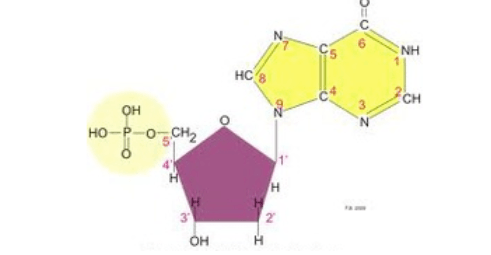
DNA and RNA belong to this biomolecule group.
carbohydrates
lipids
proteins
nucleic acids
Which group of biomolecules contains glycerol and fatty acids?
carbohydrates
lipids
proteins
nucleic acids
Which of these is NOT a lipid
fats
oils
amino acids
waxes
Glucose, Lactose, and Sucrose all end in -ose. This means they are sugars...which group of biomolecules do they belong to?
carbohydrates
lipids
proteins
nucleic acids
Amino Acids are the monomers of __________.
Nucleic Acids
Proteins
Carbohydrates
Lipids
The monomer of Nucleic Acids is known as _________.
Amino Acid
Fatty Acid
Nucleotide
Saccharide
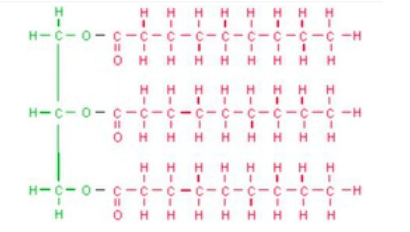
Which of the following contains the most lipid?


Which of the following is the correct pair of biomolecules and their monomers?
Carbohydrate: Fatty Acids
Protein: Amino acid
Lipid: Nucleotide
Nucleic Acid: DNA
What biomolecule serves as structural materials in hair, nails and connective tissues?
protein
lipid
carbohydrate
nucleic acid
Lipids are primarily made out of...
Carbon
Hydrogen
Oxygen
Nitrogen
Phosphorus
Enzymes are responsible for-
Speeding up reactions
Giving the body energy
Slowing down reactions
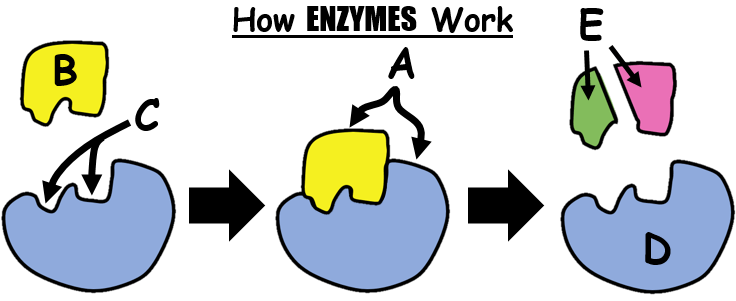
Letter c...
active site
enzyme
substrate
products
An enzyme speeds up a chemical reaction in the cell but can only be used once. True or False?
true
false
What happens when enzymes are heated to a high temperature?
The enzymes die.
The shapes of the enzyme are altered denature
The enzymes' amino acid sequence changes.
The enzymes remain the same
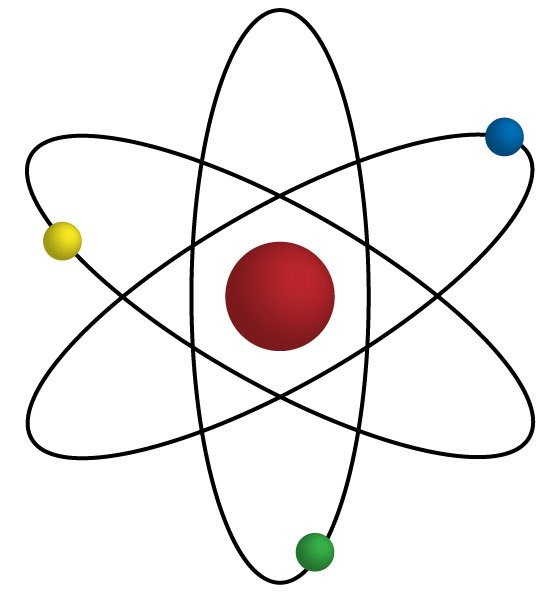
This is any combination of two or more atoms from different elements that are chemically combined.
compound
molecule
element
pure substance

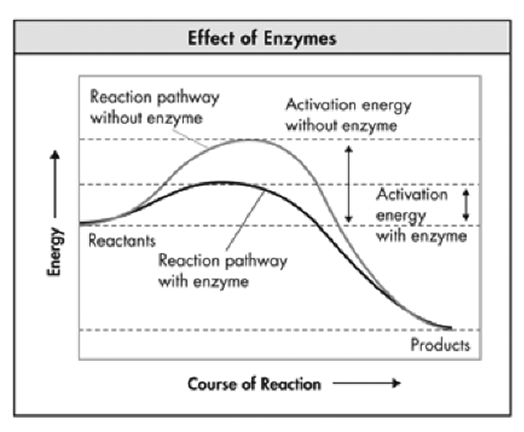
Which line represents a reaction WITH an enzyme?
A
B

Which best describes why the shape of an enzyme is important?
a specific substrate needs to fit perfectly into its activation site
their shape allows them to move easier through the body
helps us name them
not important; enzymes can be used for multiple reactions

