
 Worksheets
Body Systems
Total questions: 30
Worksheet time: 15mins
What Is The Smallest Bone In Your Body?
collar bone
pelvis
fibula
stapes
How many times does the Human Heart Beat Per-Minute on average?
20 times
30-35 times
60-100 times
10 times
What Organ Can The Human Body Survive Without?
Intestines
Lungs
Heart
Appendix
What Is The Largest Bone In The Human Body?
Spine
Rib-Cage
Femur Bone
Collar Bone
What Is The Largest INTERNAL Organ In The Human Body?
Liver
Lungs
Heart
Rib-cage
What Is The Largest Organ In The Human Body?
Skin
Heart
Lungs
Liver
Tissues are made up of _____.
organs
organism
cells
nothing smaller
New born babies have _____ bones.
200
206
300
306
Similar tissues join together to form a/an
skeleton.
bones.
organ.
tissue.
The skull protects our _____.
brain
stomach
heart
lungs
There are about _______ muscles in our body.
602
206
460
640
There are _____ bones in an adult’s body.
440
106
330
206

What is the name of this bone?
tibia
fibula
femur
pelvis
What is another name for the skull?
cranium
scapula
pelvis
vertebrae
Blood flows through a system of organs called the _______, which takes the blood where it’s needed.
immune system
digestive system
circulatory system
mitochondria
High levels and long periods of stress can increase a person’s risk for many diseases.
True
False
What is the body’s response to the
stimulus of getting overheated?
sweating and thirst
shivering and hunger
sweating and shivergin
shivering and thirst
Which of the following is NOT a good
way to manage stress?
Get enough sleep.
Eat a healthful diet.
Spend most of the time alone.
Get plenty of exercise.
Skins, ears, and kidneys are examples of
cells
organs
organ systems
tissues
The smallest and the most basic and simple unit of all organisms is the _____.
cell
organ
organ system
tissue
When you get sick, which system is working hard to fight off the infection?
lymphatic
integumentary
excretory
endocrine
Which system contains the organs; white blood cells, spleen, tonsils?
endocrine
integumentary
lymphatic
digestive
What is the major function of the human digestive system?
Absorbs nutrients from food
Eliminates liquid waste material
Breakdown food chemically
Responds to stimuli
What is the major function of the human excretory system?
Absorbs nutrients from food
Eliminates liquid waste material
Breakdown food chemically
Responds to stimuli
Which systems of the human body function together to move and control body parts?
lymphatic
muscular
skeletal
digestive
excretory
Which body system works together to provide cells with oxygen?
respiratory
digestive
endocrine
circulatory
lymphatic

Which organ is related to digestion?
Lungs
Stomach
Heart
Thyroid
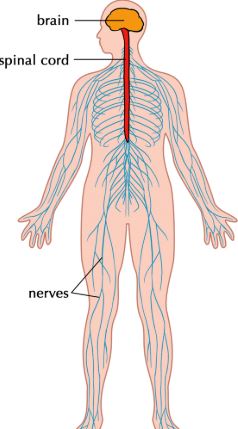
What system is pictured?
Skeletal
Circulatory
Nervous
Muscular
The body system we use for breathing:
Respiratory
Digestive
Endocrine
Nervous

