
 Worksheets
Genetics Quiz
Total questions: 14
Worksheet time: 7mins

Offspring that are genetically identical to the parent are known as asexual reproduction. The picture below shows different varieties of corn. Based on the picture, it can be determined that corn most likely reproduces
A. asexually, because the offspring has a mix of DNA from both parents.
B. asexually, because the offspring is genetically identical to one of its parents.
C. sexually, because the offspring is genetically identical to one of its parents.
D. sexually, because the offspring has a mix of DNA from both parents.

Which of the following explains why these animals have white fur?
A. Genes that carried instructions for white fur were passed to these organisms from their parents through heredity.
B. These organisms are all a part of the same species, and therefore share some characteristics.
C. The snow in this environment was so wet that it did not allow these animals to keep their color through the process of water absorption.
D. White fur is preferable in an Arctic environment, so the organisms chose to give this trait to their offspring.
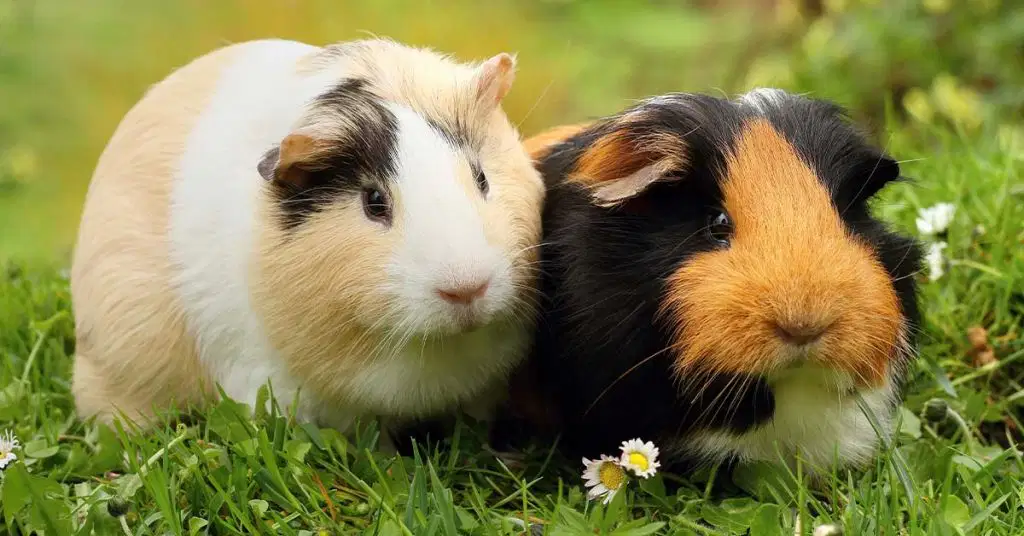
A black male guinea pig mates with a white female guinea pig, and the female gives birth to four offspring. All of the offspring are black, except for one that is white. Which of the following best explains how one offspring was born with white fur?
A. Through heredity, the parent guinea pigs passed down some genetic instructions for white fur.
B. Through parenting, the parent guinea pigs took better care of the other three offspring with black fur.
C. The white offspring is a female, because characteristics of the mother can only be passed to female offspring.
D. The white offspring is the runt, because fur with a white color usually means the offspring did not receive enough nutrients.
Sometimes, children have a stronger resemblance to one parent over the other. Which of the following best explains why this is true?
A. Children inherit a varied combination of genes from both their mother and father.
B. Children only inherit genes from the parent of the same gender.
C. Children resemble the parent they spend the most time with through environmental influences.
D. Children only resemble one parent because of chance.
Two sisters are born from a father who has blue eyes and a mother who has brown eyes. One sister has blue eyes, and the other has brown eyes. Which of the following explains this difference in eye color?
A. Each sister inherited a different combination of genes from their parents that determined their eye color.
B. The parents chose the sisters' eye color after their births.
C. The environment determined the sisters' eye color.
D. Each sister can only inherit traits from her mother, so the blue-eyed sister will likely have brown eyes when she is older.
Which of the following is a genetic trait?
A. Hair color, a trait found in genes inside chromosomes, which are inside the nucleus of a person's cells
B. Music taste, a trait that a person learns from his or her environment and is programmed into the brain forever
C. Cooking ability, a trait a person has from birth and is determined by the genes of the person's parents
D. Knowing one's name, a trait a person gets from his or her parents so it could never be forgotten
Which sentence best describes the relationship between genes and chromosomes?
A. Genes are found within chromosomes.
B. Several chromosomes make up one gene.
C. Genes and chromosomes are the only things that form the nucleus.
D. Several genes are attached to different parts of the Golgi apparatus.
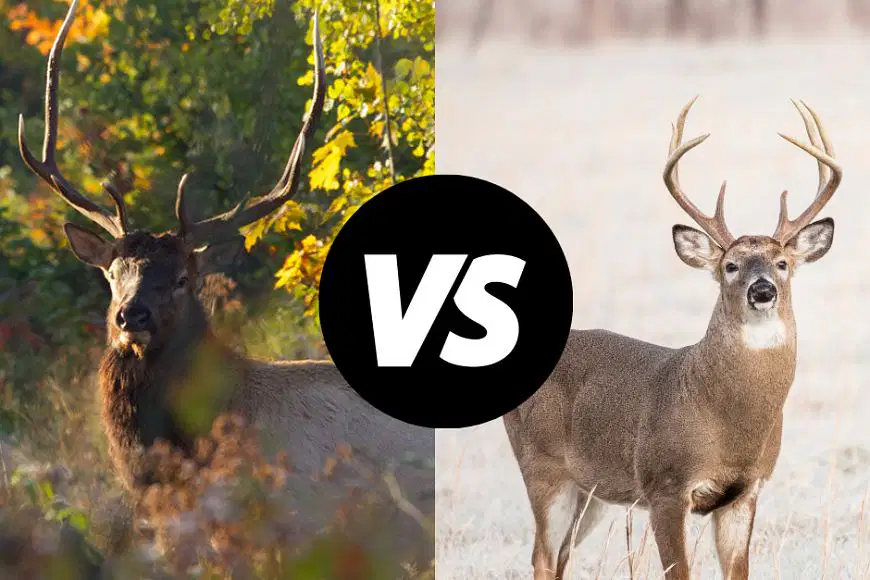
The picture below shows three members of the deer family.
Even though each animal is in the deer family, why do they look different from one another?
A. The animals inherited their genes from different parents.
B. The animals live in different environments.
C. The animals are at different age levels.
D. The animals feed on different sources of food.

The picture below shows yeast budding. Yeast reproduce asexually by budding, a process in which a bud breaks off the original yeast cell. Which of the following best describes a yeast bud?
A. A yeast bud is genetically identical to the original yeast cell.
B. A yeast bud contains genetic material from its two parents.
C. A yeast bud has different mutations from the original yeast cell.
D. A yeast bud has half as much genetic material as the original yeast cell.

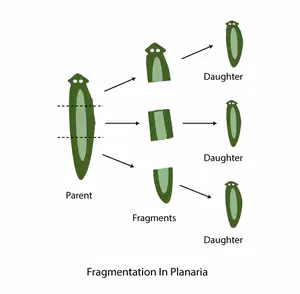
If a starfish is cut in half, it will grow into two new starfish. Part of the original starfish's central disk must be in each half that will regrow. Which of the following is a characteristic of this type of reproduction?
A. The genetic material in the two new organisms is identical.
B. New traits will likely be produced in the new organisms.
C. The offspring will be genetically different from the parent starfish.
D. Egg and sperm cells are responsible for the new growth.
Which of the following is NOT true of asexual reproduction?
A. Asexual reproduction allows for rapid population increases.
B. Asexual reproduction occurs commonly among single-celled organisms.
C. Asexual reproduction and sexual reproduction can be used by the same organism.
D. Asexual reproduction causes a population to have more genetic variety.
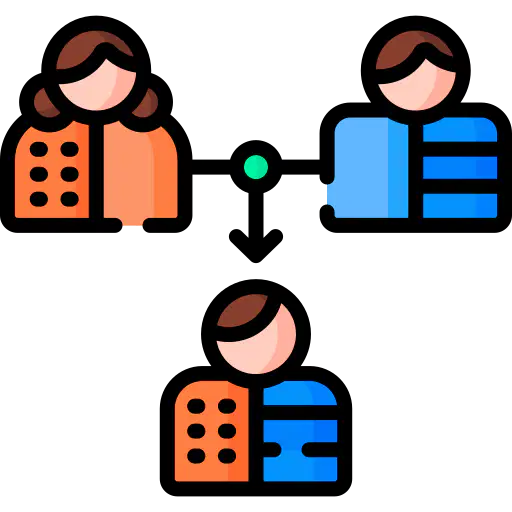
Which of the following defines heredity?
A. The passage of genetic instructions from one generation to the next
B. The manipulated changing of a trait in an organism
C. The study of how characteristics are passed on from parent to offspring
D. The ability of organisms to adapt to their environment
________________ contain the specific instructions passed from parents to offspring that make every organism unique.
Chromosomes
Dominant
Recessive
Heterozygous
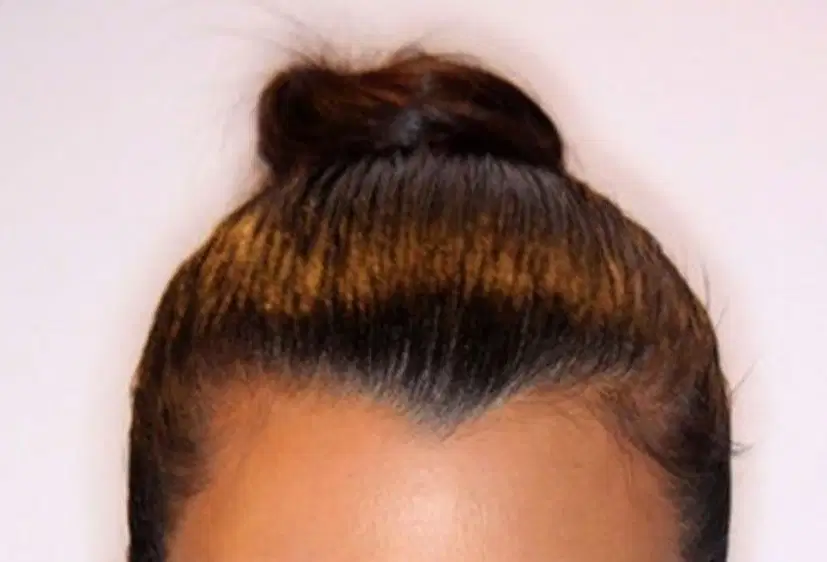
The picture shows a girl with a widow's peak. The girl has a widow's peak because of her genes, which are located in chromosomes in her cells' _________.
mitochondria
cytoplasm
cell membrane
nuclei

