
Font size
 Worksheets
Unit 3 Test Review - Carbon and the Carbon Cycle
Total questions: 45
Worksheet time: 11hrs 15mins
does not change
pH is an indicator of
H+ concentration
acidity
temperature
knowledge

CaCO3 _____ at a lower pH (image is results of an experiment placing the calcium carbonate shells of pterapods in seawater with a pH of 7.8, the projected ocean pH for the year 2100 under current rates of acidification)
dissolves
explodes
increases
is easier to obtain

A pH of 3 is how much more acidic than a pH of 6?
10
30
300
1000
A pH of 13 is how much more basic than a pH of 5?
100,000
1,000,000
10,000,000
100,000,000
A(n) ______ is a substance with a pH less than 7.
What do some marine creatures do with carbonate ions?
use it as a food source
use it as a defense mechanism
combine it with calcium ions to build shells and exoskeletons
use it to cool body temperatures
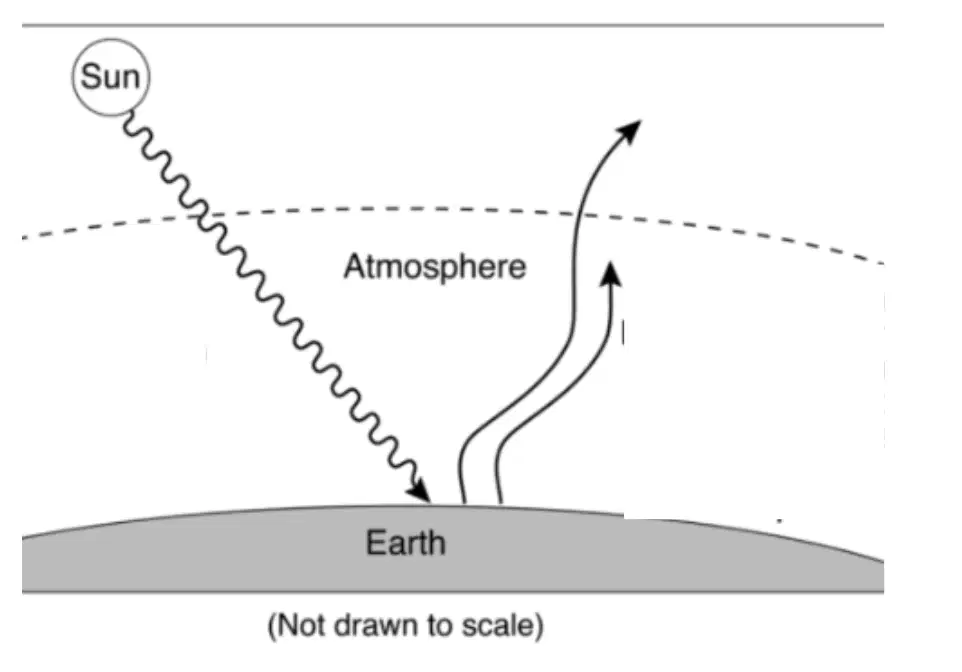
Which radiation source, wavelength, and type is correctly matched?
Sun, long-wave, visible
Earth, short-wave, visible
Sun, short-wave, infrared
Earth, long-wave, infrared
Which of the following processes would cause carbon to move into the atmosphere?
Decomposition
Photosynthesis
Respiration
Combustion
Ocean Acidification
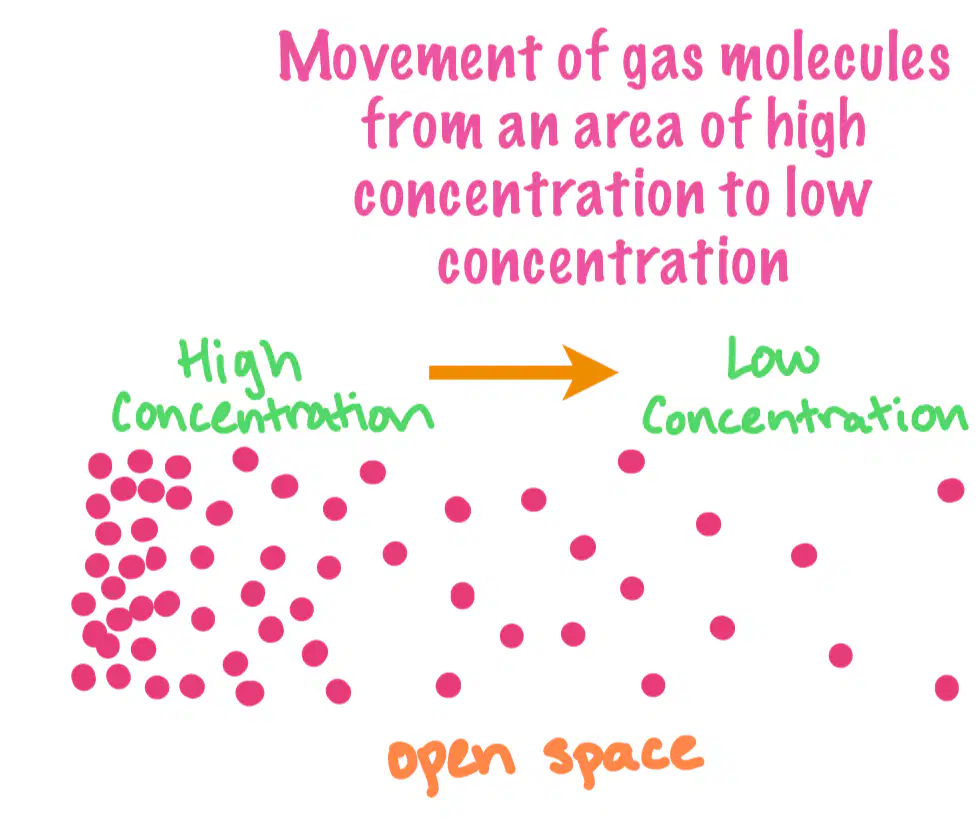
Process by which a substance moves from an area of higher concentration to lower concentration. This process drives the (current) average movement of CO2 from the atmosphere into the ocean...
Active transport
Flux
Diffusion
Ocean Acidification
Rank the following carbon sinks by the amount of carbon they store...
Oceans > forests > soil
Soil > Oceans > Forests
Forests > Oceans > Soil
Oceans > Soil > Forests
Which of the following are present in the Earth's atmosphere, but are NOT greenhouse gasses?
O2
H20
N2
CH4
N2O
For a forest, which data would indicate that the amount of carbon dioxide being sequestered through photosynthesis was less than the amount of carbon dioxide being released through respiration + decomposition
a negative (-) net ecosystem exchange (NEE)
a positive (+) net ecosystem exchange (NEE)
a neutral (0) net ecosystem exchange (NEE)
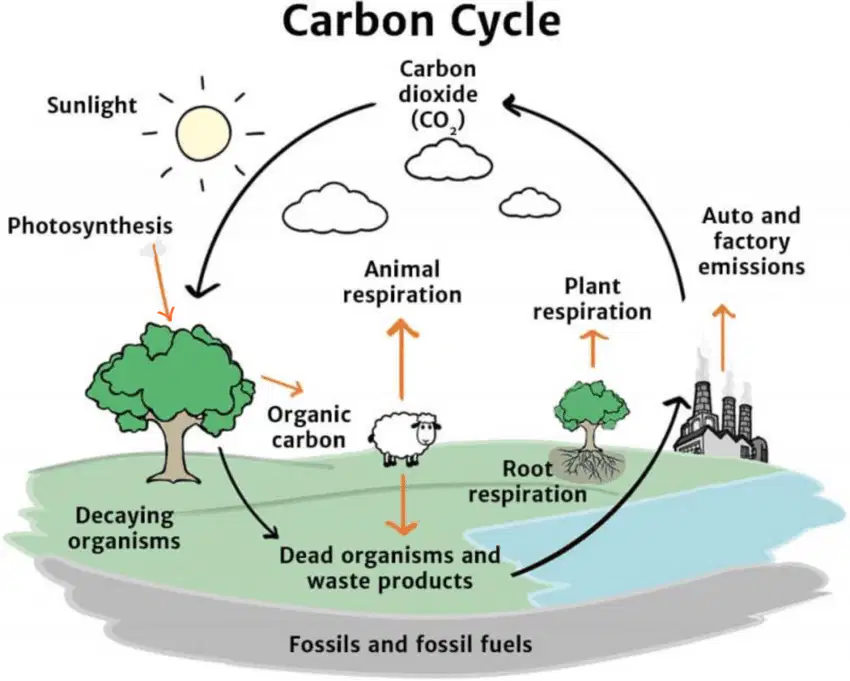
The circulation of the element Carbon among Earth's atmosphere, land, oceans, and organisms is called _____________.
The Carbon Cycle
the Oxygen Cycle
the Carbon Dioxide Cycle
The Water Cycle
Carbon diffuses from the atmosphere into the ocean and from the ocean into the atmosphere...
Uplifty
Extraction
Exchange
Combustion
Weathering
The process by which carbon rich material is covered by layers of sediments over time.
Calcification
Decomposition
Extraction
Burial
Erosion
The process by which humans remove fossil fuels from the geosphere.
Burial
Extraction
Uplift
Calcification
Erosion
Which of the following processes can remove carbon from the atmosphere?
Respiration
Decomposition
Photosynthesis
Exchange (diffusion)
In the ocean acidification lab, the vinegar (acetic acid) represented what substance which is currently increasing in our oceans? What did the calcium carbonate rock chunk represent?
Calcium acetate; ocean rocks
Carbon dioxide; shells and skeletons and hard parts of marine organisms
Carbonic Acid; shells and skeletons and hard parts of marine organisms
Free hydroxide ions; ocean rocks
Formed from land vegetation which was buried under anaerobic (low oxygen conditions) and then subjected to heat and pressure over 10s to 100s of millions of years.
Coal
Oil
Both
Formed from the remains of ancient marine organisms which were buried under anaerobic (low oxygen conditions) and then subjected to heat and pressure over 10s to 100s of millions of years.
Coal
Oil
Both
What type of radiation do greenhouse gases absorb and re-radiate randomly in any direction?
Ultraviolet
Visible
Infrared
Microwave

When a system's carbon output (amount of carbon leaving to the atmosphere) is greater than the carbon input (amount of carbon entering from the atmosphere).
Carbon Cycle
Carbon Sink
Carbon Flow
Carbon Source

When a system's carbon output (amount of carbon leaving) is less than the carbon input (amount of carbon entering).
Carbon Cycle
Carbon Sink
Carbon Flow
Carbon Source

A pocket of "air" that can form above fossil fuel deposits. This type of fuel needs VERY high temperature and pressure to be created.
Natural Gas
Fossil Fuels
Coal
Oil

A type of fossil fuel which formed from dead marine organisms (plankton) over millions of years. The plankton died, sank to the ocean floor, were buried and under heat and pressure transformed.
Natural Gas
Fossil Fuels
Coal
Oil

The process by which atmospheric carbon is stored in different reservoirs so that it does not lead to warming.
Carbon Emissions
Carbon Input
Carbon Sequestration

Process by which dead organisms, waste and other forms of organic matter are broken down by microorganisms and fungi. Carbon dioxide is formed during this process and released into the atmosphere.
Photosynthesis
Decomposition
Respiration
Combustion (Burning)
~1% of Earth's atmosphere
(many other gasses would be part of the correct answers below, but would be very small fractions of 1%)
CO2
Carbon Dioxide
H2O
Water Vapor
O2
Oxygen Gas
N2
Nitrogen Gas
CH4
Methane Gas
Which of the following are NOT greenhouse gasses?
CO2
Carbon Dioxide
H2O
Water Vapor
O2
Oxygen Gas
N2
Nitrogen Gas
CH4
Methane Gas
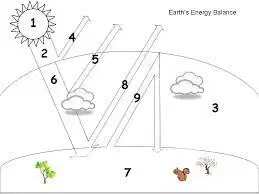
What does number 2 in the diagram represent?
Precipitation falls through Earth's atmosphere
Shortwave electromagnetic radiation travels through space to earth's atmosphere
Heat is radiated away from Earth's surface
Shortwave UV and visible light is absorbed at Earth's surface
What does number 4 in the diagram represent?
Some electromagnetic radiation is reflected off Earth's atmosphere
Shortwave electromagnetic radiation travels through space to earth
Heat is radiated away from Earth's surface
Some electromagnetic radiation is reflected off clounds
What does number 5 in the diagram represent?
Some electromagnetic radiation is reflected off Earth's atmosphere
Shortwave electromagnetic radiation travels through space to earth
Heat is radiated away from Earth's surface
Some electromagnetic radiation is reflected off clounds
What does number 6 in the diagram represent?
Some electromagnetic radiation is reflected off Earth's atmosphere
Shortwave electromagnetic radiation travels through space to earth
Heat is radiated away from Earth's surface
About 50% of incoming shortwave solar radiation makes it to Earth's surface
What does number 8 in the diagram represent?
About 30% of the shortwave electromagnetic radiation that reaches Earth's surface is reflected off Earth's surface
Shortwave electromagnetic radiation travels through space to earth
Infrared radiation (heat) is radiated away from Earth's surface
About 50% of incoming shortwave solar radiation makes it to Earth's surface
What does number 8 in the diagram represent?
About 30% of the shortwave electromagnetic radiation that reaches Earth's surface is reflected off Earth's surface and goes back out to space
Shortwave electromagnetic radiation travels through space to earth
Infrared radiation (heat) is radiated away from Earth's surface
About 50% of incoming shortwave solar radiation makes it to Earth's surface
What does number 9 in the diagram represent?
(Hint: 2 answers!!!)
About 30% of the shortwave electromagnetic radiation that reaches Earth's surface is reflected off Earth's surface and goes back out to space
About 60% of the shortwave electromagnetic radiation that reaches Earth's surface is absorbed and reradiated as longwave infrared radiation (heat)
Oxygen absorbs some energy and re-radiate part of it back to the Earth
About 50% of incoming shortwave solar radiation makes it to Earth's surface
Greenhouse gasses in the atmosphere absorb and reradiate heat from Earth's surface, trapping it in the atmosphere
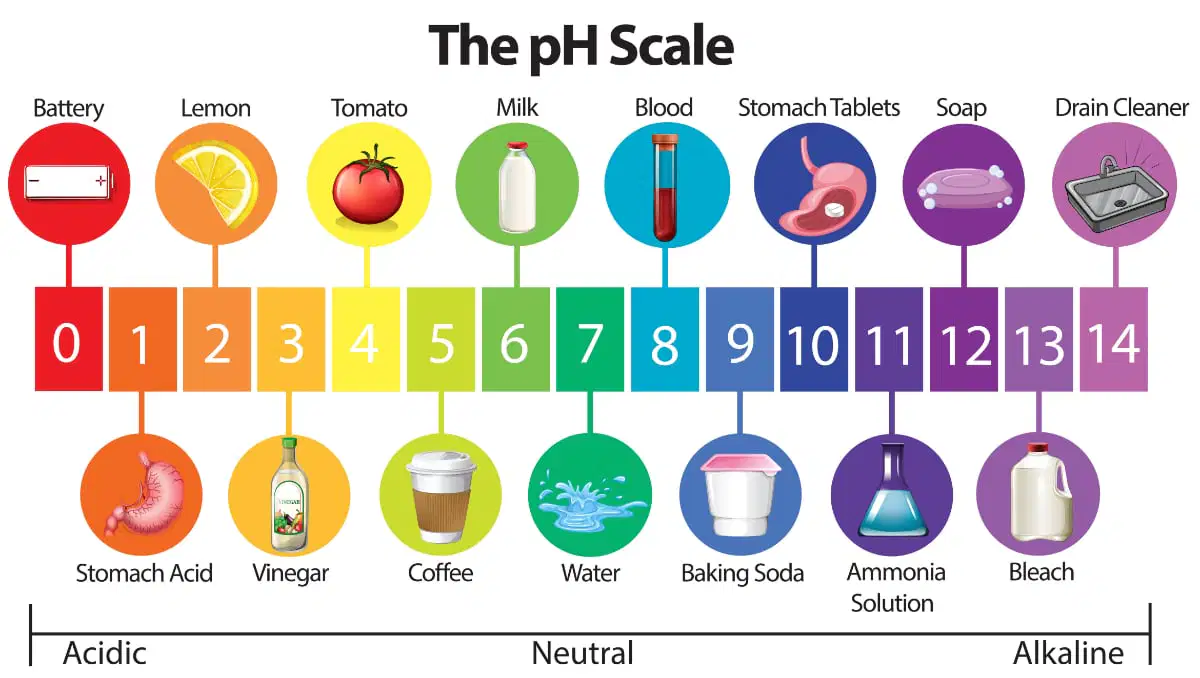
How would pH change if you added stomach tablets to stomach acid?
The pH would increase
The pH would decrease
The pH would remain the same
The stomach would explode
When pH increases, acidity (the number of hydrogen ions (H+)) _____________
increases
decreases
remains the same
wut?
When pH decreases, acidity (the number of hydrogen ions (H+)) _____________
increases
decreases
remains the same
wut?
What does pH actually measure?
The concentration of H2O in solution
The concentration of hydrogen ions (H+) in solution
The concentration of CO2 in solution
The concentration of a solution
Over time, calcium carbonate breaks down into small pieces and deposits in layers on the ocean floor. This process would be called...
Burial
Ocean acidification
Sedimentation
Extraction
The greenhouse effect is a natural phenomena that existed before humans evolved.
True
False

