
 Worksheets
jhxhvjkbl
Total questions: 107
Worksheet time: 1hrs 3mins
These animals do not have backbones.
Vertebrates
Invertebrates
Exoskeleton
Pores
Unsegmented soft-bodied invertebrates that usually have shells.
Sponges
Mollusks
Segmented worms
Arthropods
Which group has a tubular body with many compartments and breathes through the skin?
Arthropods
Annelids
Echinoderms
Sponges
Which group has radially symmetrical bodies with spikes and breathes with tube feet?
Annelids
Mollusk
Echinoderms
Arthropods
This group consists of filter feeders and has many pores in its body.
Arthropods
Mollusks
Segmented Worms
Sponges
This group has jointed legs, segmented bodies, and exoskeletons.
Sponges
Mollusks
Arthropods
Segmented Worms
What term describes the structure that supports and protects the outside of an animal's body?
Exothermic
Endoskeleton
Exoskeleton
Endothermic
Slugs and snails are...
Annelids
Mollusks
Arthropods
Sponges
Insects and arachnids (spiders and ticks) are...
Arthropods
Mollusks
Annelids
Sponges
Clams, squids, and octopuses are...
Sponges
Annelids
Arthropods
Mollusks
They get oxygen through air tubes (out of water) or gills (in water).
Mollusks
Arthropods
Echinoderms
Annelids
Leeches and earthworms are...
Arthropods
Mollusks
Echinoderms
Annelids
Sand dollar, sea urchin and starfish are...
Arthropods
Annelids
Echinoderms
Mollusks
They eat tiny particles that flow through the pores.
Mollusks
Sponges
Cnidarians
Arthropods
Most ... have tentacles.
Annelids
Sponges
Mollusks
Cnidarians
Nematocysts are...
Tentacles
Hollow tubes
Stinging cells
Worms
Mammals, fish, birds, reptiles and amphibians are all ___.
invertebrate
vertebrate

Which group does it belong to?
invertebrate
vertebrate
What is the major difference between vertebrates and invertebrates?
Vertebrates have a backbone and invertebrates do not.
Invertebrates live in water and vertebrates do not.
Invertebrates have a backbone and vertebrates do not.
Invertebrates are smaller than vertebrates.

Is this animal a vertebrate or invertebrate?
invertebrates
vertebrates

Which group does it belong to?
invertebrate
vertebrate

Which group does it belong to?
invertebrate
vertebrate

Which group does it belong to?
vertebrate
invertebrate

Are these animals vertebrates or invertebrates?
vertebrates
invertebrates

Which group does it belong to?
vertebrate
invertebrate

Vertebrates are animals with ____.
backbones
special tubes
no backbones
no special tubes
Crabs, lobsters, and shrimp with hard exoskeletons are ___.
vertebrates
invertebrates

Which group does it belong to?
vertebrate
invertebrate
What is an invertebrate?
an animal without a backbone
mammals
birds
an animal with a backbone
Many animals in this group go through metamorphosis (bodies change as they get older).
fish
reptile
amphibian
mammal

cold blooded vertebrate animals with dry, scaley skin
amphibians
reptiles
birds
fish

Which are the groups of vertebrate animals?
Mammals, fish, amphibians and sharks
Mammals, fish, birds, reptiles and amphibians
Lions, tuna, eagle, crocodile and frog
Humans, fish, birds and reptiles
Dragonflies, stink bugs, and lady bugs are __________.
crustaceans
arthropods
annelids
echinoderms


cold blooded vertebrate animals with dry, scaley skin
amphibians
reptiles
birds
fish
An animals with backbone is known as vertebrates.
True
False
Animals without backbone is known as __________
Vertebrates
Invertebrates
Choose the invertebrates animals


Choose vertebrates animals.


These animals are ____
Vertebrates
Invertebrates

These animals are ___
Vertebrates
Invertebrates

The tiger is vertebrates. It lives on land and give birth.It breathe using lungs. It also can be classify as ________
Fish
Reptiles
Mammals
Amphibians

A frog is vertebrates. It has moist skin and eat insect. It lives on land and in water. It breathe using lungs and moist skin. It also can be classify as ___
Reptiles
Amphibians
Mammals
Bird

This animal is vertebrates. It lay eggs. It has hard scales and eat meat. It breathe with its lungs.It also can be classify as ____
Mammals
Reptiles
Fish
Amphibians

These animals are ____
Reptiles
Mammals
Fish
Amphibians

These animals are ______
Reptiles
Amphibians
Mammals
Fish

These animals are _____
Reptiles
Mammals
Birds
Amphibians

These animals are ____
Mammals
Amphibians
Reptiles
Fish

These animals are _____
Mammals
Reptiles
Amphibians
Fish
Vertebrates can be classified as mammals, reptiles, amphibians,birds and fish.
True
False

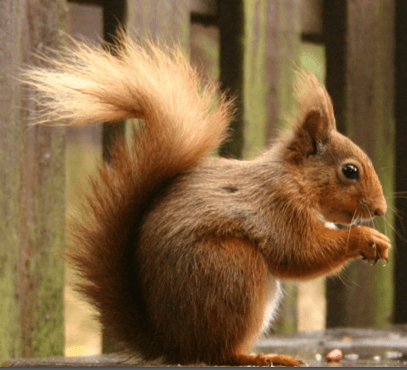
I have fur, I breathe with lungs, and I am warm blooded. What am I?
Mammal
Amphibian
Bird
Reptile
Mammals are covered with....
Sand
Hair
Feather
Thorns
What do mammals use to breathe with?
Gills
Skin
Lungs
Blood
Animals that begin their life in the water and live on land are called...
Birds
Amphibians
Mammals
Reptiles
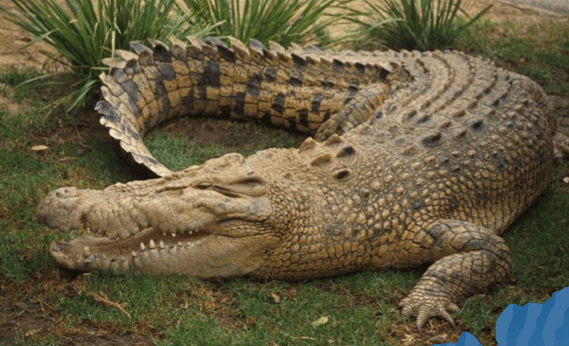
Which group does it belong to?
vertebrate
invertebrate

Which group does it belong to?
invertebrate
vertebrate
Fish take in oxygen through their
fins.
gills.
scales.
vertebrae.

What are the five groups of vertebrates?
mammals, bugs, spiders, fish, and birds
mammals, birds, fish, reptiles, and amphibians
snakes, turtles, frogs, bugs, birds
worms, insects, spiders, jellyfish, sponges
Which of the following is an example of an invertebrate?
Bird
Dog
Grasshopper
Cat
What is the largest group of invertebrates?
Arthropods
Mollusks
Annelids
Cnidarians
What is the main characteristic of arthropods?
Segmented body
Endoskeleton
Soft outer covering
No legs
What is an exoskeleton?
A segmented body
A hard outer covering
A soft outer covering
A backbone
Which of the following is not an arthropod?
Worm
Ladybug
Butterfly
Mosquito
What gives an animal's body support and protection?
Endoskeleton
Skin
Muscles
Exoskeleton
What do all arthropods have?
Soft body
No legs
Jointed legs
Endoskeleton
Which of the following is not an invertebrate?
Coral
Fish
Starfish
Jellyfish
What is the main characteristic of invertebrates?
No Backbone
Exoskeleton
Endoskeleton
Segmented body
What is the body covering of arthropods called?
Skin
Endoskeleton
Exoskeleton
Fur
Which of the following is an example of an arthropod?
Jellyfish
Starfish
Butterfly
Worm
What is the body covering of arthropods called?
Fur
Exoskeleton
Endoskeleton
Skin
Which of the following is NOT an example of an arthropod?
Jellyfish
Spider
Butterfly
Ant
Invertebrates have backbones
True
False
There are only a few groups of invertebrates
True
False
Sponges only have a few kind of cells.
True
False
Mollusks include snails, slugs, mussuls, and clams.
True
False
Earthworms and fan worms don't have brains.
True
False
Earth worms have , this many "hearts".
3
4
5
Arthropods is the smallest group of invertebrates.
True
False
Insects are ....
sponges
mollusks
arthropods
An example of crustaceans is
sponges
crabs
worms
Arachnids are...
mollusks
arthropods
insects

