
NEW
Font size
 Worksheets
Energy Forms and Transformations
Total questions: 40
Worksheet time: 20mins
As a roller coaster goes downhill
kinetic energy is converted into potential energy.
potential energy is converted into kinetic energy.
electrical energy is converted into potential energy.
potential energy is converted into electrical energy.
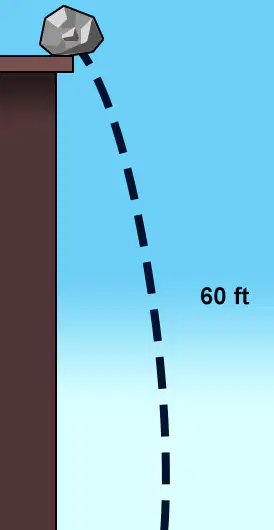
A boulder that is resting on the top of a cliff slips over the edge and accelerates towards the ground. As the rock falls, the amount of kinetic energy
increases.
decreases.
stays the same.
increases then decreases.

Where is the potential energy of the roller coaster the lowest?
A
B
C
D
In which situation is mechanical energy converted to electrical energy?
boiling water
using an iron
the sun shining
using a generator
What form of energy does a compressed spring have?
heat energy
kinetic energy
chemical energy
potential energy
Which type of energy transformation does NOT describe potential energy being changed into kinetic energy?
Compressing a spring.
A ball falling off a shelf.
A bike coasting down a hill.
Releasing a stretched rubber band.
A ball is falling after rolling off a tall roof. The ball has
kinetic energy only.
potential energy only.
both kinetic and potential energy.
neither kinetic or potential energy.
A ball is tossed up in the air. At its peak, it stops before beginning to fall. The ball at its peak has
kinetic energy only.
potential energy only.
both kinetic and potential energy.
neither kinetic or potential energy.
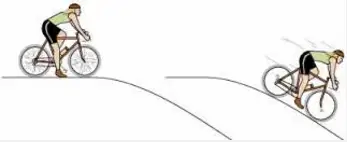
Which of these bikers shows potential energy?
The biker on the left.
The biker on the right.
Their potential energy is the same since they are at rest.
They do not have potential energy because they are at rest.

Locate the place in the diagram where kinetic energy is the greatest.
point A
point B
point C
Both points A and C

If you pull the bob back to point A and release it, potential energy is converted to kinetic energy. What do you think happens to the energy at point C?
Kinetic energy increases.
Potential energy decreases.
Potential energy is converted to kinetic energy.
Kinetic energy is converted to potential energy.
Which example involves the transformation of chemical energy directly into light energy?
a windmill
a glow stick
photosynthesis
a hydroelectric dam
An example of kinetic energy being converted into heat energy is
the Sun.
a generator.
a Snickers bar.
rubbing your hands together.
Which is an example of electrical energy being converted or changed into light energy?
the sun
a light bulb
a solar panel
a glow stick at Halloween
Which is an example of nuclear energy being converted into heat and light energy?
the sun
a volcano
a rocket engine
a coal burning power plant
When a television is turned on, it converts electrical energy into many other forms of energy. Which set of words correctly lists MOST of these forms?
sound and heat
sound and light
light, sound, and heat
light, sound and electricity
A student takes the cord of a TV and plugs it into a wall outlet. What type of energy transformation is present?
Mechanical to light and sound energy
Mechanical to heat and electrical energy
Electrical to heat and mechanical energy
Electrical to light and sound energy

Muscles convert chemical energy into
light energy.
nuclear energy.
mechanical energy.
electromagnetic energy.
Which example shows electrical energy being transformed into heat energy?
burning a wax candle
a small toaster oven toasts a bagel
rubbing two sticks together
sunlight heating a metal door

The graph shows the efficiency of three types of light bulbs: incandescent, fluorescent, and LED. What can you conclude about the energy efficiency of the light bulbs?
Incandescent light bulbs use less energy than either LED or fluorescent bulbs.
Fluorescent light bulbs are the most energy efficient since their light and heat energy are most equal.
Incandescent light bulbs rely on heat energy to process light, increasing the light output while decreasing the heat output.
LED light bulbs provide more light energy while producing less heat energy, making them the most energy-efficient of the three types of bulbs.

The diagram shows two identical airplanes in the sky. The airplanes are traveling at the same altitude, but Airplane 1 is traveling 880 km/h and Airplane 2 is traveling at 910 km/h.
Which statement best describes the energy of the two airplanes?
The two airplanes have the same kinetic energy, but a different potential energy.
Airplane 2 has less potential energy than Airplane 1.
The two airplanes have the same potential energy, but a different kinetic energy.
Airplane 1 has more kinetic energy than Airplane 2.

Examine the model of the car on the road. If the car stops at each of the places on the road, where is potential energy the lowest?
point A
point B
point C
They are all the same.
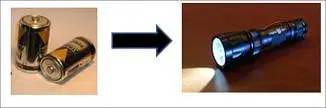
chemical energy to light energy
solar energy to chemical energy
wind energy to mechanical energy
chemical energy to light and heat energy
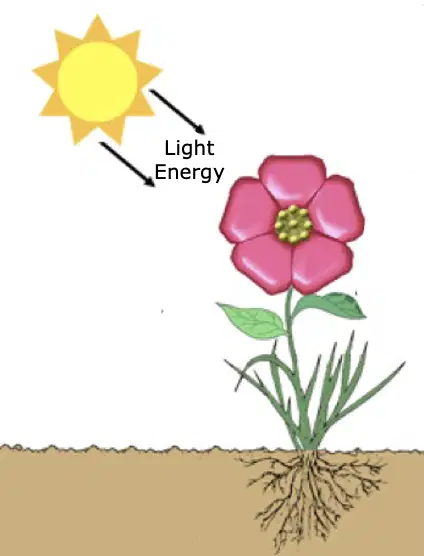
chemical energy to light energy
solar energy to chemical energy
wind energy to mechanical energy
chemical energy to light and heat energy
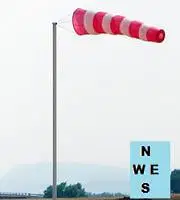
chemical energy to light energy
solar energy to chemical energy
wind energy to mechanical energy
chemical energy to light and heat energy
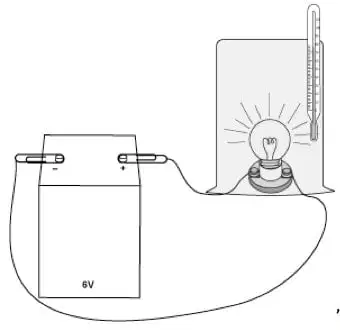
chemical energy to light energy
solar energy to chemical energy
wind energy to mechanical energy
chemical energy to light and heat energy
Energy that is stored.
Kinetic energy
Nuclear energy
Electrical energy
Potential energy
This is energy of motion.
Kinetic energy
Nuclear energy
Electrical energy
Potential energy
The energy stored in bonds within the nucleus of an atom; energy released from a fission or fusion reaction.
Kinetic energy
Nuclear energy
Electrical energy
Potential energy
Energy created by the flow of electrons through a conductor.
Kinetic energy
Nuclear energy
Electrical energy
Potential energy
Energy stored in chemical bonds of molecules.
Chemical energy
Light energy
Thermal energy
Energy transformation
Most often associated with a wavelength that is visible to the eye.
Chemical energy
Light energy
Thermal energy
Energy transformation
Random kinetic energy possessed by objects in a material at finite temperature. An object that feels hot has a lot of this.
Chemical energy
Light energy
Thermal energy
Energy transformation
This is the process of changing energy from one form to another.
Chemical energy
Light energy
Thermal energy
Energy transformation
This law states that, in any process, energy is neither created nor destroyed. It can only be converted from one form to another.
Chemical energy
Light energy
Thermal energy
Conservation of Energy
The energy transferred by a force to a moving object.
Chemical energy
Light energy
Thermal energy
Mechanical energy
A man at a carnival lifts a hammer high over his head before swinging it down onto a pad. What type of potential energy is this scenario?
gravitational
chemical
elastic
electric
A battery sits in an iPod before the iPod is turned on. What type of potential energy is this scenario?
gravitational
chemical
elastic
electric
The string of a bow and arrow is pulled tight. What type of potential energy is this scenario?
gravitational
chemical
elastic
electric
A positively charged particle is slowly moved away from a strong, negatively charged plate. What type of potential energy is this scenario?
gravitational
chemical
elastic
electric

