
Font size
 Worksheets
A/P Benchmark Test #2
Total questions: 74
Worksheet time: 2hrs 30mins
What is the difference between an animal cell and a plant cell?
plants have a cell membrane, animals have a cell wall
plants have a cell wall, animals have a cell memebrane
plant cells are larger than animal cells
animal cells are larger than plant cells
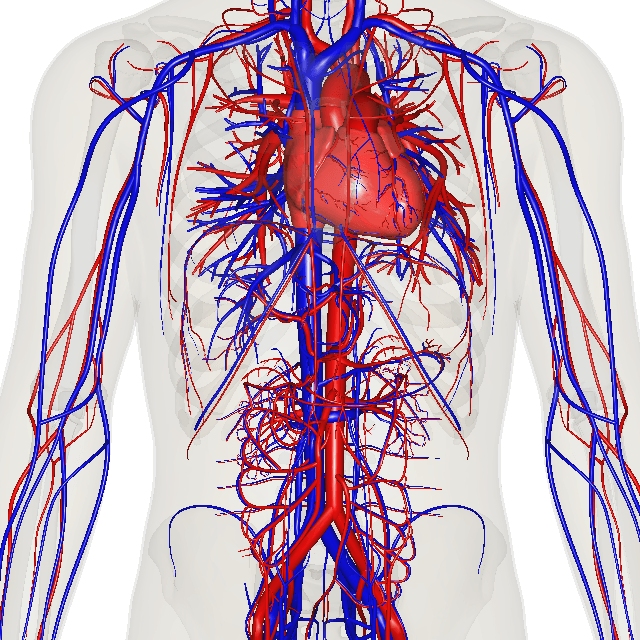
This is an example of ........
organ
organ system
tissue
cell

A group of cells that have similar functions? Examples are nervous, epithelial, muscle and connective
cell
tissue
Organ
Organ system

A group of tissues that perform a similar function is called_____. (Examples include the heart, lungs or stomach)
cells
tissues
organs
organ systems

Which is the correct structural order?
organism-tissue-cells-organ-organ system
cells-tissue-organism-organ system-organ
tissue-cells-organ system-organism-organs
cells-tissue-organ-organ system-organism


Which characteristic is shown: A tadpole grows legs and becomes a fully grown frog.
Homeostasis
Grow and Develop
Acquire and Use Energy
Change Over Time
Which of the following is the correct match between a cell, tissue, and organ?
skin cell, skin tissue, heart
muscle cell, muscle tissue, bicep (arm muscle)
fat cell, fat tissue, liver
nerve cell, skin cell, brain

The ___________ is the "control center" of the cell; it contains the genetic material.
nucleus
chromosomes
DNA
cytoplasm

The "powerhouse" of the cell where energy is made is called the ___________________.
nucleus
mitochondria
cytoplasm
cell membrane
Specialized cells such as muscle, blood, or nerve cells are caused by cell differentiation led by
gene expression
nucleus
ribosomes
plasma membrane
What is the role of stem cells in cell differentiation?
They serve as a precursor for generalized cells
These cells can turn into specialized cells and back into generalized cells when needed
They are generalized cells that can lead to specialized cells
They are specialized cells that can lead to generalized cells
Which reason explains why nerve cells function differently than muscle cells?
In nerve cells all the genes are expressed.
In muscle cells all the genes are expressed.
In both kinds of cells the same genes are expressed.
In both kinds of cells different genes are expressed.
Match the following
Muscular tissue
allows the movement
Epithelial tissue
makes up your skin
Nervous tissue
conducts electrical impules
Connective tissue
bone, cartilage, and blood
The one factor that a scientist changes during an experiment. (It affects the results of the experiment).
Controlled Variable
Dependent Variable
Independent Variable
The variable that is measured. It is the result of the experiment.
Controlled Variable
Dependent Variable
Independent Variable

List the layers of the Epidermis in order from top to bottom.
5,2,3,4,1
1,2,3,4,5
4,5,3,1,2
1,4,3,2,5
Which of the following are rapidly adapting nerve endings providing information on light touch?
Meissner's
Pacinian
Alzheimers'
None of these
Pressure receptors in deep subcutaneous tissues of the body are known as
Pacinian corpuscles
Meissner's corpuscles
Pacman corpuscles
none of these
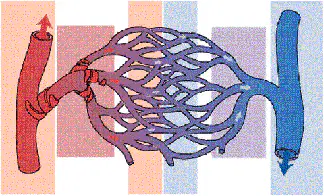
The capillary net of the skin is responsible for transporting of _________ in the dermis of the skin.
oxygen
blood
carbon dioxide
nutrients


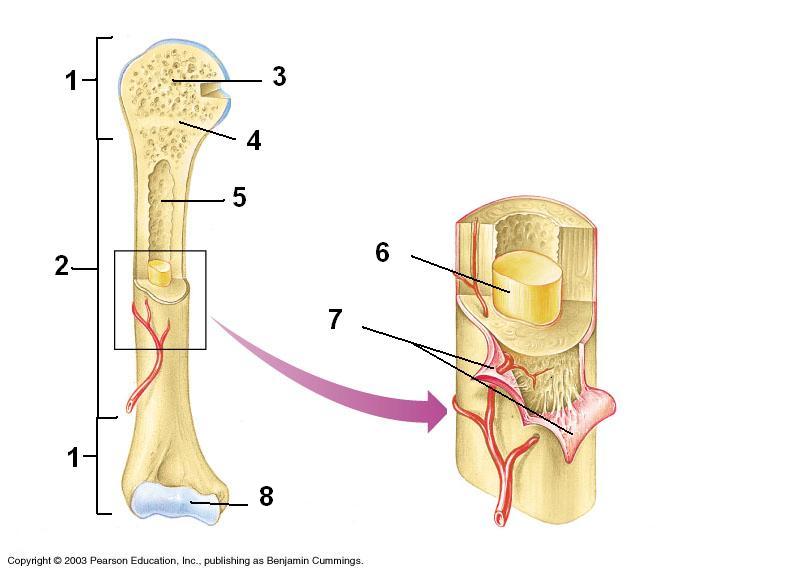
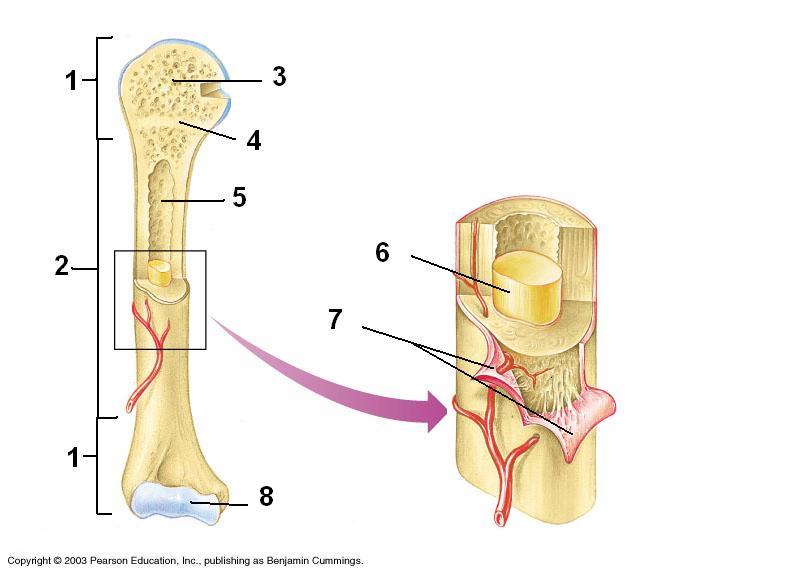
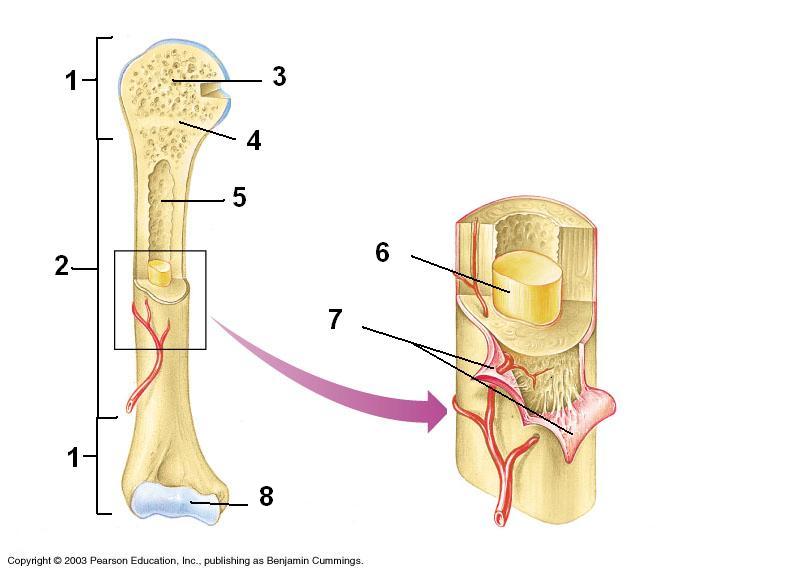

Which of the following correctly orders the stages of the bone healing process?
hematoma formation, cartilage callous formation, bony callous formation, bone remodeling
bone remodeling, hematoma formation, cartilage callous formation, bony callous formation
hematoma formation, bone remodeling, bony callous formation, cartilage callous formation,
cartilage callous formation, bony callous formation, hematoma formation, bone remodeling
Which bone cell creates new bone cells
Osteoblasts
osteocytes
osteoclasts
The hardening and replacement of cartilage
ossification
ligaments
osteoperosis
bone cells that secrete enzymes to help break down bone
osteocytes
osteoblasts
osteoclasts
Which of the following is NOT one of the 4 major categories of tissues found in the human body?
nervous
vascular
epithelial
muscular
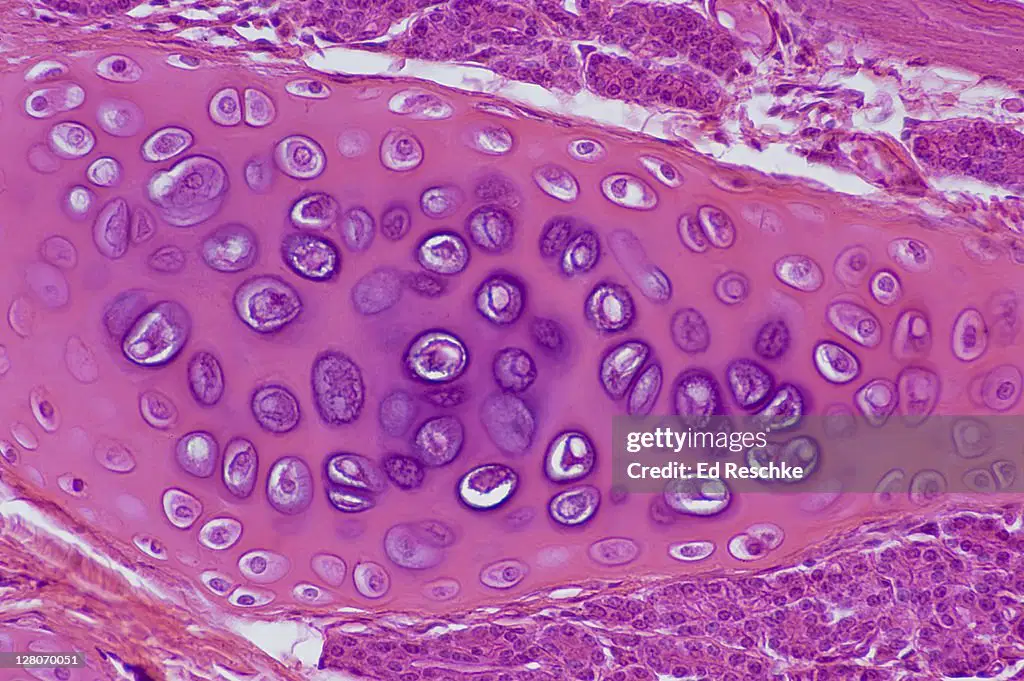
When looking in a microscope, you notice cells within lacuna. Which type of connective tissue are you looking at?
adipose
dense regular
cartilage
dense irregular
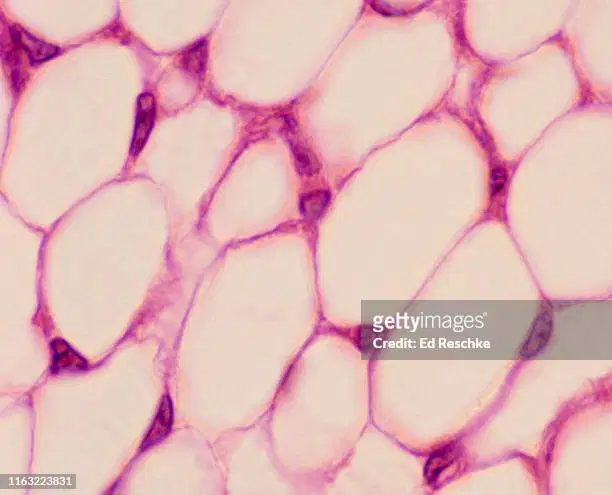
When looking in a microscope, you notice large droplets of oil filling most of the cell's space. Which type of connective tissue are you looking at?
adipose
dense regular
cartilage
dense irregular
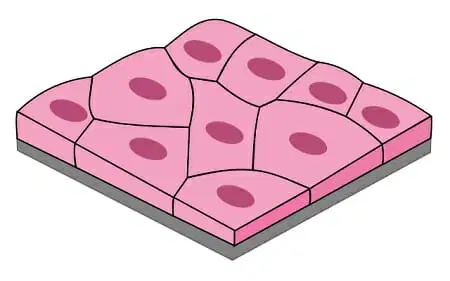
In the human body, what does the simple squamous epithelial tissue, found in the alveoli of the lungs, allow for?
active transport of oxygen and carbon dioxide
facilitated diffusion of nutrients
osmosis of water
simple diffusion of oxygen and carbon dioxide

Imagine you are a doctor examining a patient's skin, which is a type of stratified squamous epithelium. What would you say is the primary function of this type of tissue?
absorption
protection against abrasion
secretion
filtration
Imagine you are studying for a biology exam. You come across a question that asks, 'Which type of connective tissue, produced by osteocytes, gives our body the support and rigidity it needs to function properly?'
Adipose tissue
Cartilage
Bone
Blood
John is a professional athlete. Which type of tissue in his body is primarily responsible for his ability to move during his games?
Epithelial
Connective
Muscular
Nervous
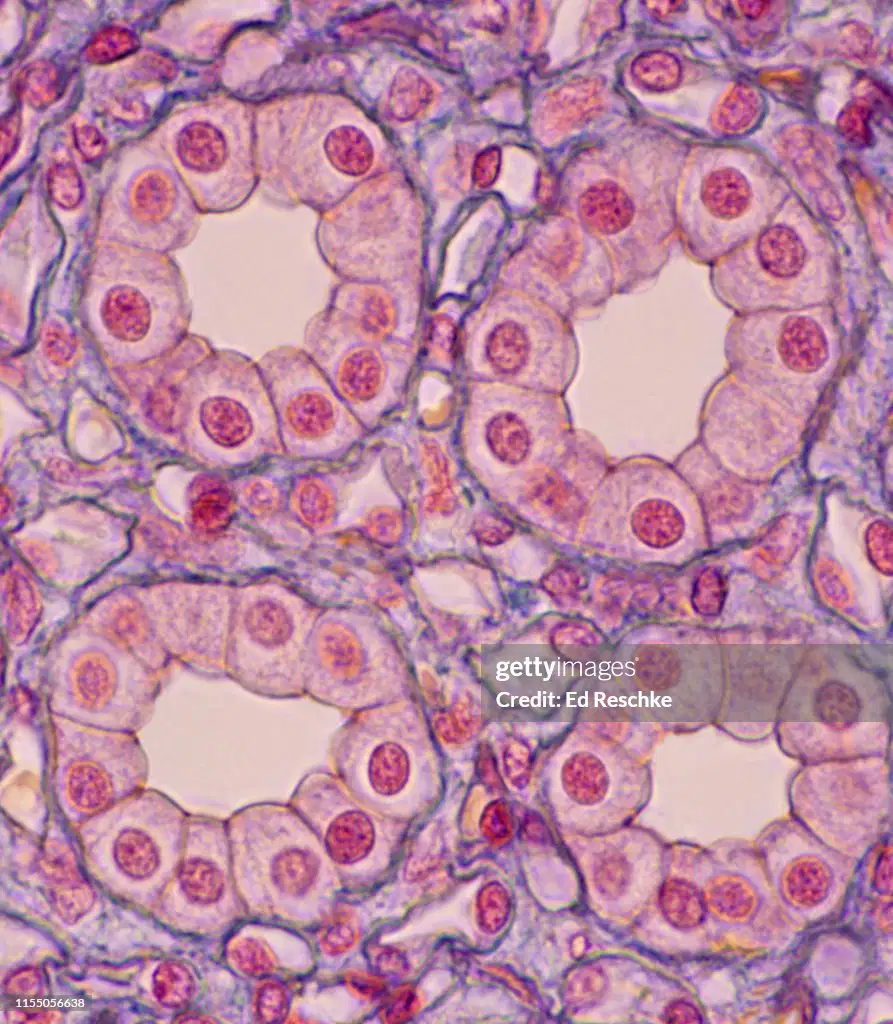
What is the function of simple cuboidal and where is it found? 2 Answers
production of mucus
secretion and absorption
kidneys
stomach
You are a doctor and a patient comes to you with a problem of not being able to feel anything in his hand. You suspect that a certain type of tissue might be damaged. Which tissue, responsible for transmitting signals in the body, do you think might be damaged?
Epithelial
Connective
Muscular
Nervous
Match the following
simple epithelium
one layer
stratified epithelium
multi- layer
pseudostratified epithelium
looks multi- layer but isn't
transitional epithelium
changes shapes when stretched
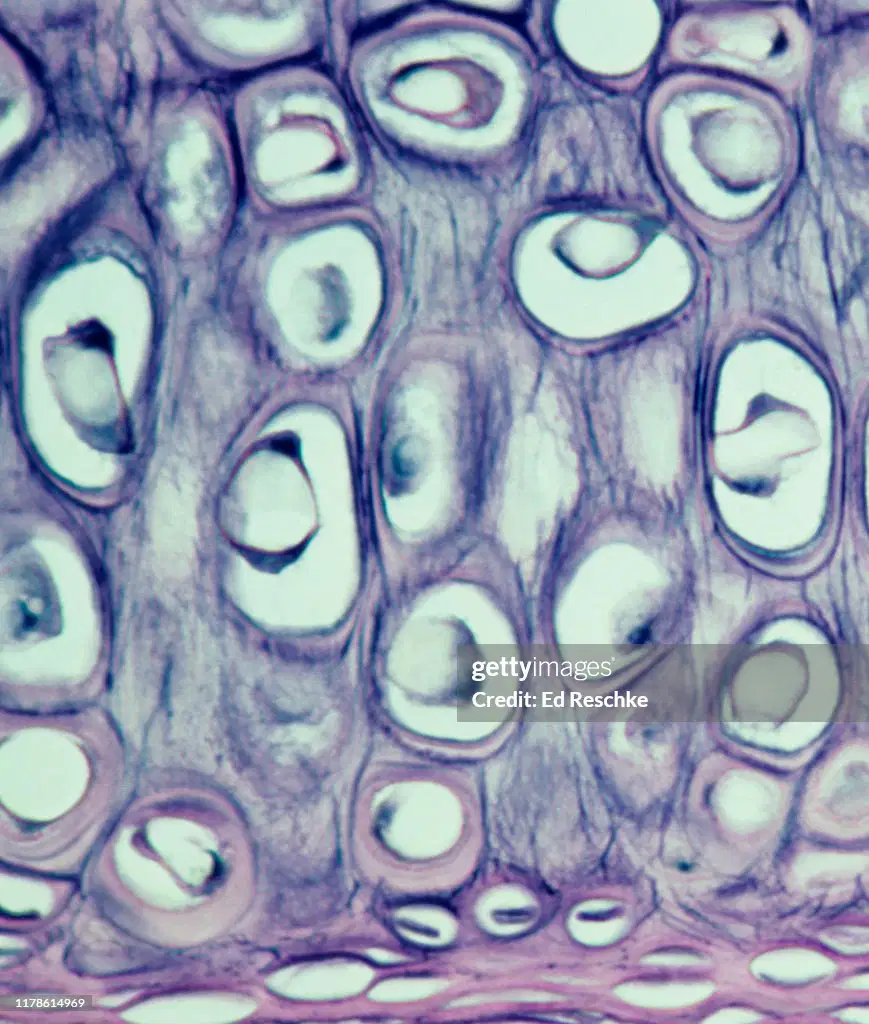
Which type of connective tissue provides support and flexibility to the ear?
Adipose
Dense regular
Cartilage
Dense irregular
Match the following
mast cells
secrete inflammatory chemicals
Macrophages
engulph invading organisms or substances
erythrocytes
carry O2
leukocytes
provide immune response

During a biology class, Noah asked Anika and Nora to identify the 3 types of muscles they learned about. Which of the following did they correctly identify?
Skeletal, muscular, ligament
Skeletal, smooth, cardiac
Smooth, Cellular, Cerebrum
Cardiac, smooth, brain stem

When Benjamin and Luna participate in a tug of war competition, their skeletal muscles work _____ to pull the rope.
in groups
in pairs
singly
none of the above

Organize these options into the right categories
Muscle Tissues


Voluntary control
Has cell junctions call intercalated discs
Spindle or tapered cells
Branched uninucleated cells
Long cylindrical multinucleated cells

Body muscles
The nerve releases a chemical called a
neurotransmitter
neuron
myofibril
cell
The muscular system interacts with the skeletal system by:
smooth muscles are joined with spongy bone via cartilage
skeletal muscles pull on joints to permit movement
cardiac muscle is connected to the ribs
skeletal muscles are joined to one another via ligaments
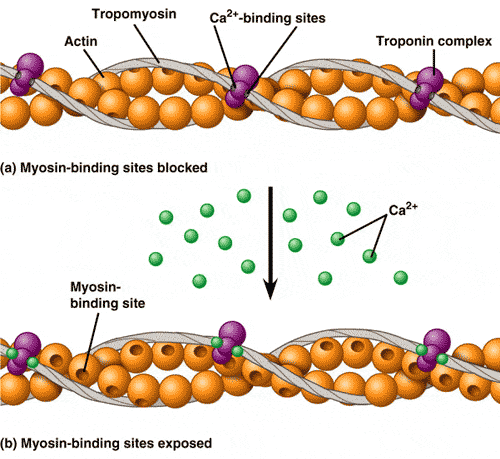
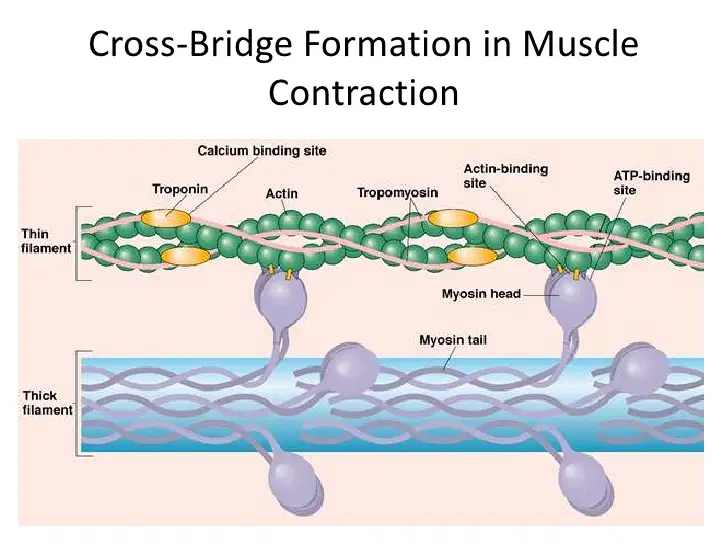

The unit between A and A is called
a sarcomere
The I band
the Z disc
fascia
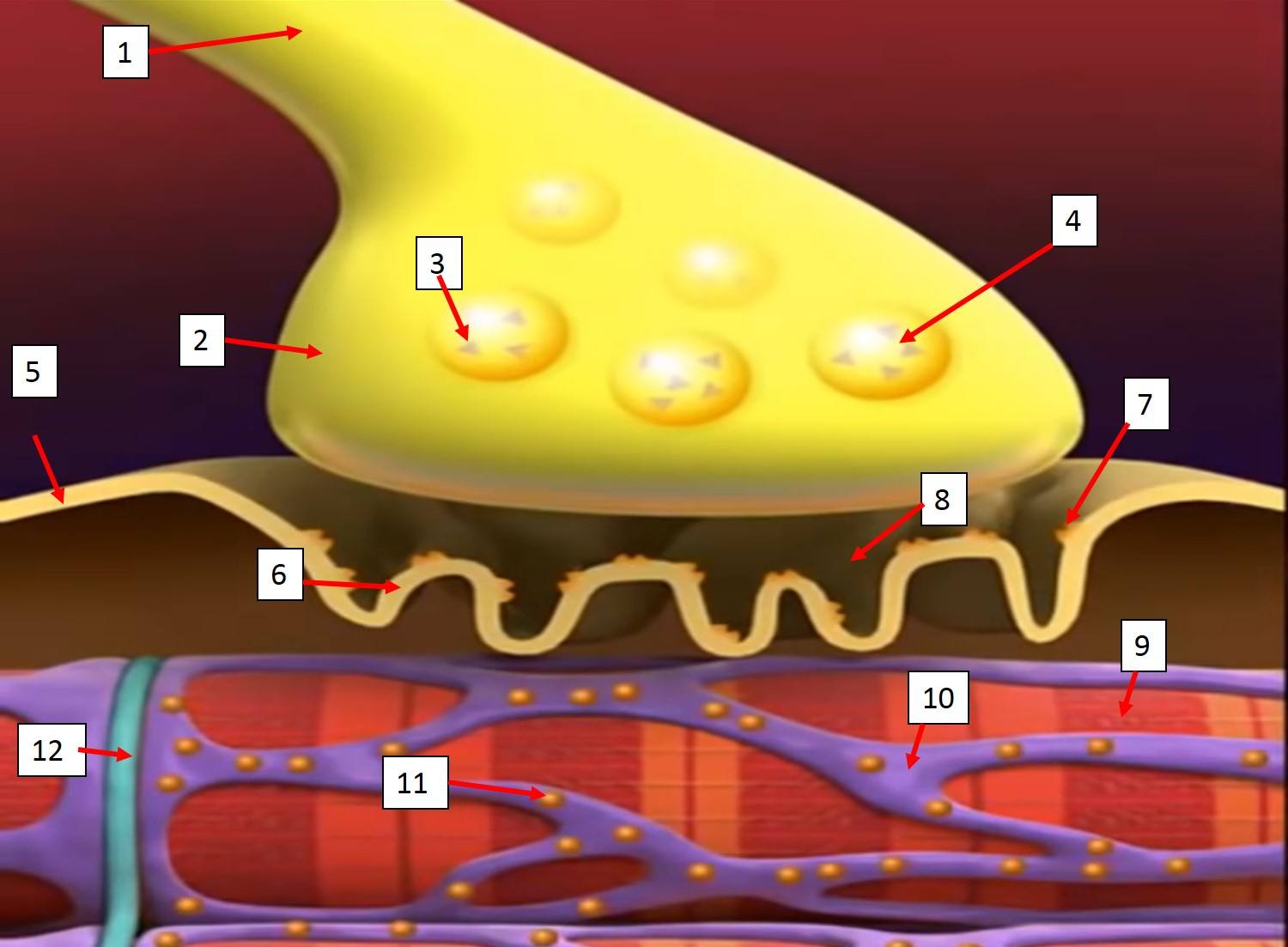
What is the name of the place where a nerve meets a muscle fiber
Nerve junction
Neuromuscular junction
Muscle junction
Crossbridge
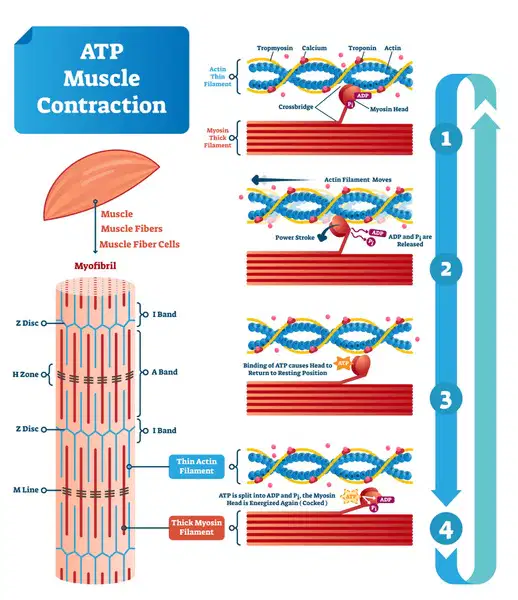
What two chemicals are necessary for muscle contraction to occur?
Niacin and Potassium
Calcium and ATP
Sodium and Potassium
Acetylcholine and Potassium
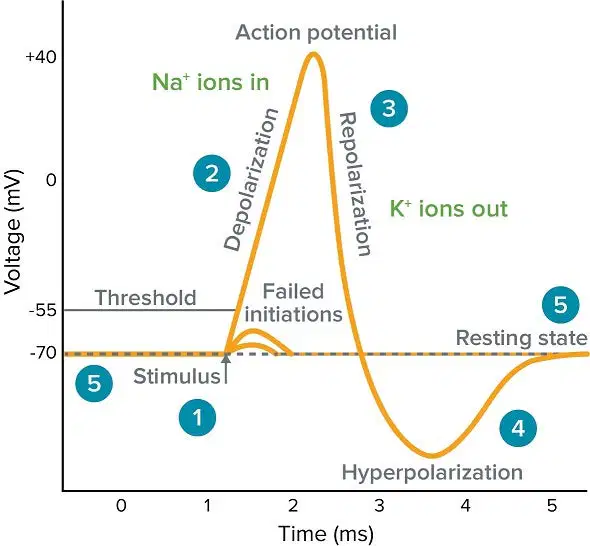
What is the unstoppable electrical current that travels down the length of the entire surface of a sarcolemma?
neurotransmitter
graded response
acetylcholine
action potential
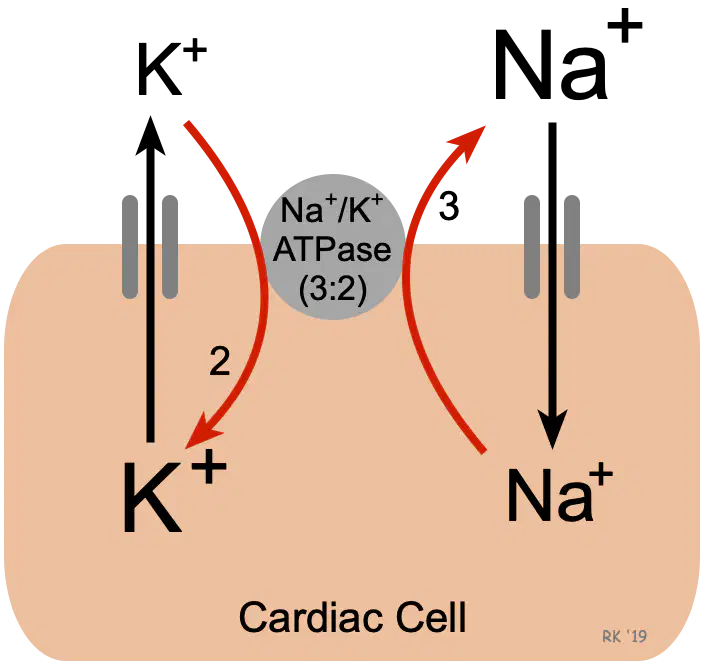
Which of the following is involved in maintaining the resting membrane potential of neurons?
Na+/K+ ATPase pump moves 3Na+ in for every 2K+ out
Na+/K+ ATPase pump moves 3K+ in for every 2Na+ out
Na+/K+ ATPase pump moves 3Na+ out for every 2K+ in
Na+/K+ ATPase pump moves 3K+ out for every 2Na+ in
Order the parts of a muscle from largest to smallest :
myofilaments
actin and myosin
muscle
muscle fascicle
myofibril
Muscle
Muscle Fascicle
Myofibril
Myofilaments
actin and myosin
Reorder the steps in a muscle contraction
ATP energizes myosin head
Active site exposed
power stroke, actin pulled to M-line
Detachment and new ATP molecule attaches to myosin head
ATP splits myosin head resets for next stroke

Muscle fatigue is due in part to the accumulation of:
lactic acid
ATP
carbon dioxide
pyruvic acid
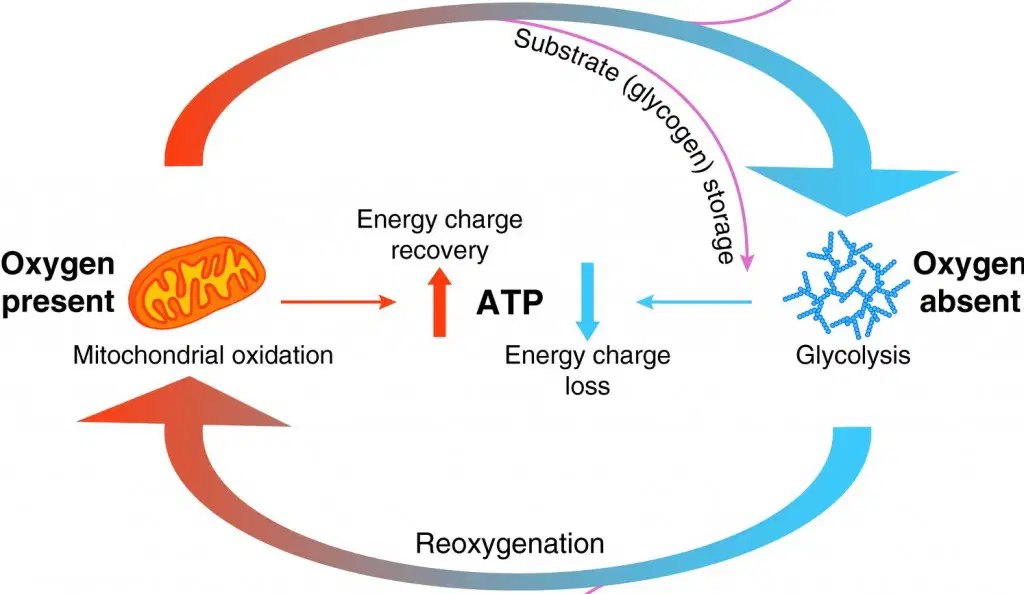
Why does a muscle need oxygen?
To generate ATP
To carry nutrients
To remove waste
To get blood
What results from a lack of oxygen needed for muscle contraction (select all that apply)
Build up of lactic acid
Muscle cramp
Muscle fatigue
Muscle threshold

