
Font size
 Worksheets
WAMMM
Total questions: 71
Worksheet time: 53mins
ECONOMICS
- Classified as social science because it deals with the study of human’s life and how he lives with other men.
A social science concerned chiefly with description and analysis of the production, distribution, and consumption of goods and services.
how the social sciences overlap


APPLIED ECONOMICS
- The study of economics in relation to real world situations
- Application of economic principles and theories to real situations
and trying to predict what the outcomes may be.
Study of observing how theories work in practice.
IMPORTANCE OF APPLIED ECONOMICS
- Mechanism to determine what steps can reasonably be taken to improve current economic situation
- Powerful tool to reveal the true and complete situation in order to come up with things to do
Teach valuable lessons on how to avoid the recurrence of a negative situation or at least minimize the impact.
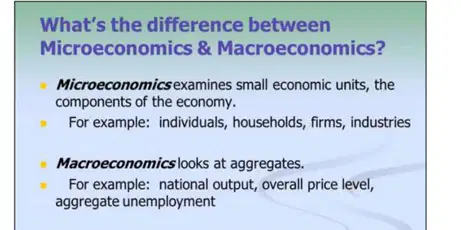
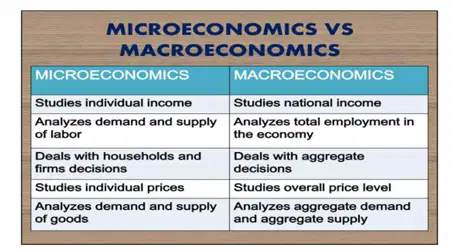
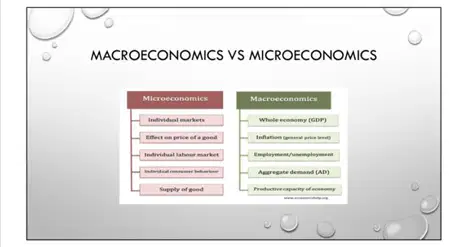
MICROECONOMICS
- Examines small economic units
- Examines small economic units - The components of the economy
focuses on how decisions are made by individuals and firms and the consequences of those decisions.
Example: How much it would cost for a university or college to offer a net course - the cost of the instructor's salary, the classroom facilities, the class materials, and so on. Having determined the cost, the school can then decide whether or not to offer the course by weighing the costs and benefits.
- Example: individual, households, firms, industries
MACROECONOMICS
- Looks at aggregates
- examines the aggregate behavior of the economy lie. how the actions of all the individuals and firms in the economy interact to produce a particular level of economic performance as a whole).
Example: Overall level of prices in the economy (how high or how low they are relative to prices last year) rather than the price of a particular good or service.
MICRO/MACRO


THE LAW OF DEMAND


THE LAW OF SUPPLY
- The higher the price, the larger the quantity produced.

THE FOUR BASIC LAWS OF SUPPLY AND DEMAND:
If demand increases and supply remains unchanged, a shortage will result, leading to a higher equilibrium price.
If demand decreases and supply remains unchanged, a surplus will result, thus leads to a lower equilibrium price.
If demand remains unchanged and supply increases, a surplus will result, leading to a lower equilibrium price.
If demand remains unchanged and supply decreases, a shortage will result, leading to a higher equilibrium price.
INFLATION
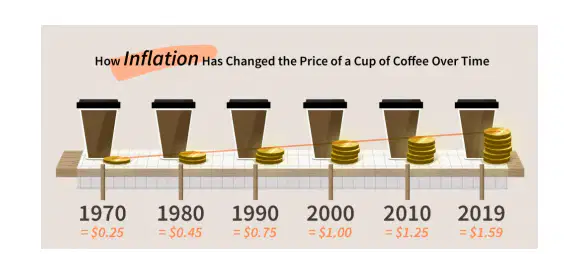
- a rise in general level of prices of goods & service in an economy over a period of time.
Crowther- defines inflation as "a state in which the clause of money is falling - i.e., prices are rising.
- Prof.Coulbourn- defines inflation as "too much of money chasing too few goods"
GNP AND GDP GROSS NATIONAL PRODUCT (GNP)
Value of all goods & services made by a country's residents & businesses, regardless of production location
Sound indicator of financial wellbeing of Americans & U.S.-based multi-national corporations
Total income earned by the nation's factors of production, regardless of where located.
GROSS DOMESTIC PRODUCT (GDP)
Measures production inside of a country, no matter who makes It
Sound indicator of health of U.S. economy
- Total income earned by domestically located factors of production, regardless of nationality.
(GNP - GDP) = (factor payments from/to abroad)
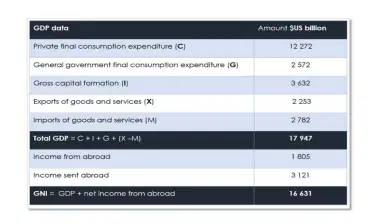
GDP FORMULA
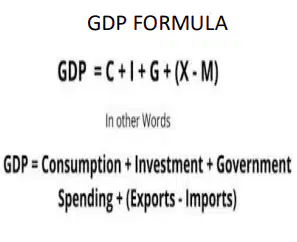
C = Consumption or all private spending within a country’s economy, including durable goods, non- durable goods, and services.
G = total government expenditures, including salaries of govt employees, road construction or repair, public schools, and military expenditures.
I = sum of a country’s investments spent on capital equipment, inventories, and housing.
NX = net exports or a country’s total exports less imports
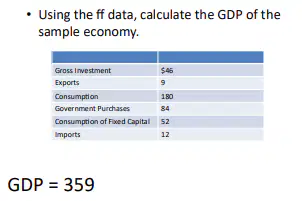
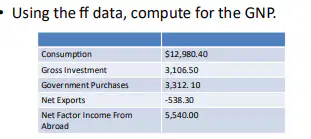
GDP COMPUTATION

GNP FORMULA
GNP = GDP + NR – NP
NR = Net Income Receipts, Income from abroad.
NP = Net Ouflow to foreign assets, income sent abroad.
NFIA = NR - NP
LABOR FORCE
Economics define the labor force as all nonmilitary people who are employed or unemployed
Economics define the labor force as all nonmilitary people who are employed or unemployed
EMPLOYMENT
is a contract between two parties, one being the employer and the other being the employee
In a commercial setting, the employer conceives of a productive activity, generally with the intention of creating profits, and the employee contributes labor to the enterprise,
To the extent that employment or the economic equivalent is not universal, unemployment exists.
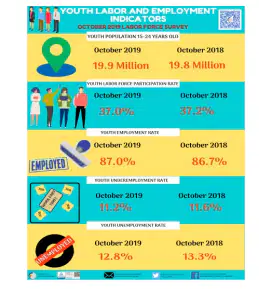
EMPLOYMENT INDICATORS
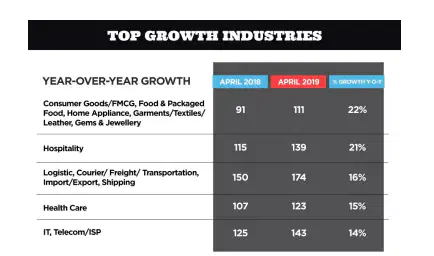
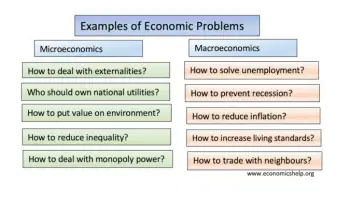
BASIC ECONOMIC PROBLEMS
- Unemployment
- Poverty
- Poor quality of infrastructure
- Income inequality
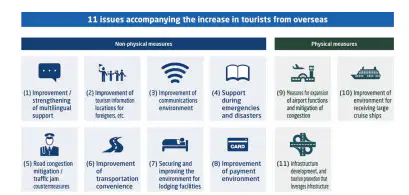
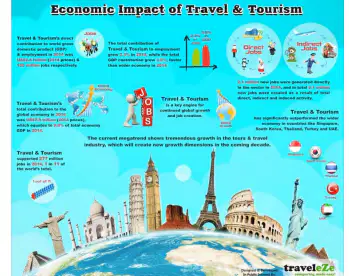
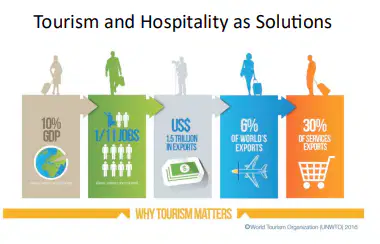
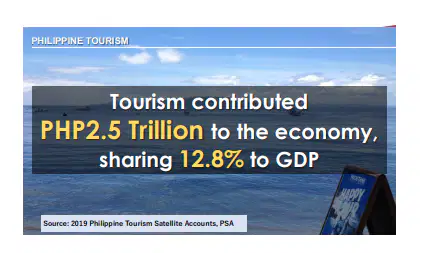
TOURISM AND HOSPITALITY AS A SOLUTION
NEEDS
- The basic necessities that a person must have in order to survive
- Ex: food, water, warmth, shelter and clothing
WANTS
The desire that people have
Ex: things that people would like to have, such as bigger homes, iphones
STUDY OF ECONOMICS
How to meet unlimited needs with scarce resources
How to meet unlimited needs with scarce resources
ECONOMIST
- study how to meet people's unlimited wants with scarce, available resources
- study how to meet people's unlimited wants with scarce, available resources
SCARCITY
The excess of wants resulting from having limited resources (land, labor, capital and entrepreneurs) insatisfying the endless wants of people.
It is a universal problem for societies - it is not limited to poor countries.
To the economist, all goods and services that have a price are relatively scarce. This means that they are scarce relative to people's demand for them.
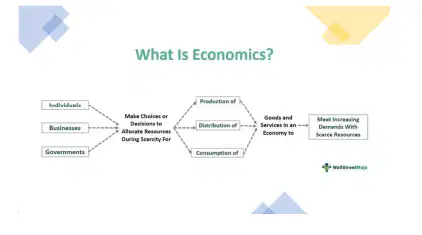
ECONOMICS

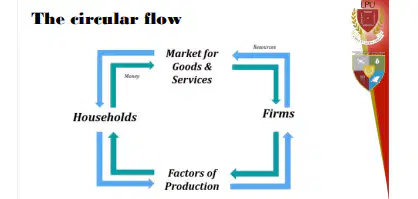
THE CIRCULAR FLOW
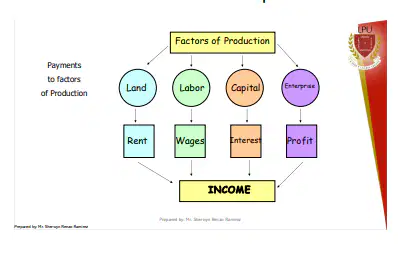
4 FACTORS OF PRODUCTION
LAND- Includes any natural resource. - natural resources available for production - RENEWABLE RESOURCES: those that replenish - NON-RENEWABLE RESOURCES: cannot be replaced
LABOR-
-The effort that humans contribute.
- physical and mental effort of people used in production
CAPITAL-
- Includes machinery, tools and buildings.
- all non-natural (manufactured) resources that are used in the creation and production of other products
ENTEPRENEURSHIP-
- Combines land,labor and capital in new ways.
-refers to the management, organization and planning of the other three factors of production
UNEMPLOYMENT
- A situation where a person actively searches for employment but is unable to find work.
- Unemployment is considered to be a key measure of the health of the economy.
3 TYPES OF UNEMPLOYMENT
FRICTIONAL -
This occurs naturally when workers are between jobs, or have just graduated and are looking for work for the first time.
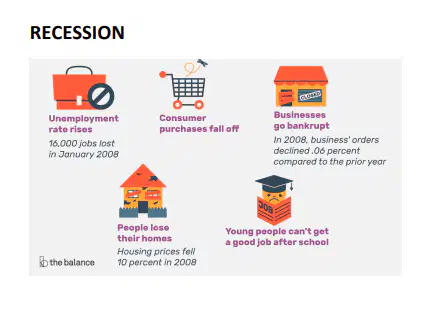
CYCLICAL -The economy regularly goes through ups and downs; when it enters a recession, more people become unemployed.
STRUCTURAL -When there is a mismatch between the skills people have learned and the skills the job market requires, this causes structural unemployment
EXTERNAL ENVIRONMENT
The factors beyond the control of the firm that influence its choice of direction and action, organizational structure, and internal processes.
The factors beyond the control of the firm that influence its choice of direction and action, organizational structure, and internal processes.
COMPRISED OF FOLLOWING COMPONENTS:
Remote environment
Industry environment
Operating environment
REMOTE ENVIRONMENT
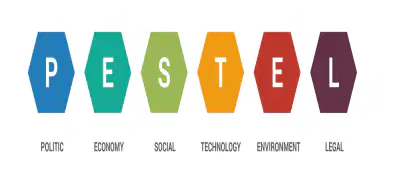
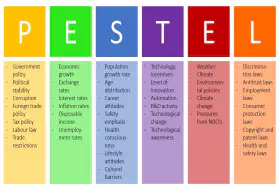
Economic, social, political, technological, and ecological factors that originate beyond, and usually irrespective of, any single firm’s operating situation.
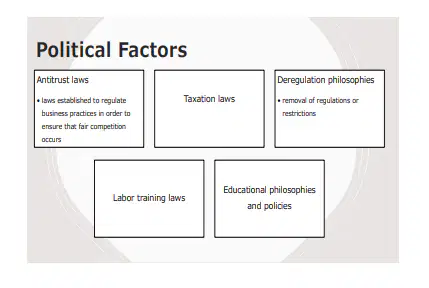
POLITICAL FACTORS
This segment represents how organizations and governments mutually try to influence each other, and how firms try to understand these influences (current and projected) on their strategic actions
ECONOMIC FACTORS
Examples:
- Inflation rates
- Interest rates
- Trade deficits or surpluses
- Budget deficits or surpluses
- Personal savings rate - Business savings rate
Gross domestic product
SOCIOCULTURAL FACTORS
The sociocultural factor is concerned with a society’s attitudes and cultural values.
Example:
- Women in the workforce
- Workforce
- Diversity attitudes about the quality of work life
TECHNOLOGICAL FACTORS
This includes:
- Product innovations
- New communication technologies
Applications of knowledge
- Focus of private and governmentsupported R&D expenditures
ENVIRONMENT FACTOR
This includes:
- Energy consumption
- Practices used to develop energy sources
- Renewable energy effort
- Minimizing a firm’s environmental footprint
- Availability of water as a resource
- Producing environmentally friendly products
- Reacting to natural or man-made disasters
LEGAL FACTORS
- Health and safety, equal opportunities, advertising standards, consumer rights and laws, product labelling and product safety.
INDUSTRY ENVIRONMENT
- An INDUSTRY is a group of firms that produce similar products or offer similar services that are close substitutes.
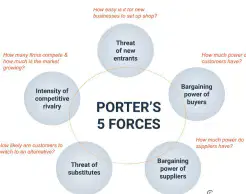
COMPETITION IN THE INDUSTRY
- The larger the number of competitors, along with the number of equivalent products and services they offer, the lesser the power of a company.
- Suppliers and buyers seek out a company's competition if they are able to offer a better deal or lower prices.
- Conversely, when competitive rivalry is low, a company has greater power to charge higher prices and set the terms of deals to achieve higher sales and profits.
POTENTIAL OF NEW ENTRANTS INTO AN INDUSTRY
- The less time and money it cost for a competitor to enter a company's market and be an effective competitor, the more an established company's position could be significantly weakened.
- An industry with strong barriers to entry is ideal for existing companies within that industry since the company would be able to charge higher prices and negotiate better terms.
BARGAINING POWER OF SUPPLIERS
- It is affected by the number of suppliers of key inputs of a good or service, how unique these inputs are, and how much it would cost a company to switch to another supplier.
- The fewer suppliers to an industry, the more a company would depend on a supplier.
- As a result, the supplier has more power and can drive up input costs and push for other advantages in trade.
- On the other hand, when there are many suppliers or low switching costs between rival suppliers, a company can keep its input costs lower and enhance its profits.
BARGAINING POWER OF BUYERS
- It is affected by how many buyers or customers a company has, how significant each customer is, and how much it would cost a company to find new customers or markets for its output.
- A smaller and more powerful client base means that each customer has more power to negotiate for lower prices and better deals.
- A company that has many, smaller, independent customers will have an easier time charging higher prices to increase profitability.
THREAT OF SUBSTITUTES
- Substitute goods or services that can be used in place of a company's products or services pose a threat.
- Companies that produce goods or services for which there are no close substitutes will have more power to increase prices and lock in favorable terms.
- When close substitutes are available, customers will have the option to forgo buying a company's product, and a company's power can be weakened.
OPERATING ENVIRONMENT
- This includes competitors, suppliers, creditors, customers, labor.
- This includes competitors, suppliers, creditors, customers, labor.
SUPPLIERS
- Those who supply the inputs like raw materials, and components of the company.
- Those who supply the inputs like raw materials, and components of the company.
CUSTOMERS
- Success of the business depends upon identifying customers and enhancing their level of satisfaction.
- Success of the business depends upon identifying customers and enhancing their level of satisfaction.
PUBLIC
- Any group that has an actual or potential interest/impact on an organization’s ability to achieve its interest
- Any group that has an actual or potential interest/impact on an organization’s ability to achieve its interest
COMPETITORS
- Other business units which are marketing the same or similar products or services.
- Other business units which are marketing the same or similar products or services.
COMPETITOR ANALYSIS: COMPETITOR INTELLIGENCE
- Set of data and information the firm gathers to better understand and anticipate competitors' objectives, strategies, assumptions, and capabilities
- What the competitor is doing and can do (Revealed in organization's current strategy
- What the competitor believes about the industry (Shown in organization's assumptions)
- What the competitor’s capabilities are (Shown by organization's strengths and weaknesses)
EXTERNAL ENVIRONMENT ANALYSIS
Firms engage in external environmental analysis to better understand and cope with their environments.
This analysis has four parts:
1. scanning
2. monitoring
3. forecasting, and
4. assessing
Identifying opportunities and threats is an important objective of studying the general environment.
SCANNING
- Firms identify early signals of potential changes in the general environment and detect changes that are already underway.
- Firms identify early signals of potential changes in the general environment and detect changes that are already underway.
MONITORING
- It requires the firm to observe the trends on the unique needs of stakeholders
- It requires the firm to observe the trends on the unique needs of stakeholders
FORECASTING
- This step involves projections on what might happen based on the trends
- This step involves projections on what might happen based on the trends
ASSESSING
- This step is important in specifying the implications of the information gathered in previous stages
- This step is important in specifying the implications of the information gathered in previous stages
ECONOMIC GROWTH
Economic growth is the most powerful instrument for reducing poverty and improving the quality of life in developing countries.
- Both cross-country research and country case studies provide overwhelming evidence that rapid and sustained growth is critical to making faster progress towards the Millennium Development Goals
MICROECONOMICS AND MACROECONOMICS
UNEMPLOYMENT
• UNEMPLOYMENT, ALSO REFERRED TO AS JOBLESSNESS, OCCURS WHEN PEOPLE ARE WITHOUT WORK AND ARE ACTIVELY SEEKING EMPLOYMENT. DURING PERIODS OF RECESSION, AN ECONOMY USUALLY EXPERIENCES HIGH UNEMPLOYMENT RATES. THERE ARE MANY PROPOSED CAUSES, CONSEQUENCES, AND SOLUTIONS FOR UNEMPLOYMENT.
TYPES • UNEMPLOYMENT, ALSO REFERRED TO AS JOBLESSNESS, OCCURS WHEN PEOPLE ARE WITHOUT WORK AND ARE ACTIVELY SEEKING EMPLOYMENT. DURING PERIODS OF RECESSION, AN ECONOMY USUALLY EXPERIENCES HIGH UNEMPLOYMENT RATES. THERE ARE MANY PROPOSED CAUSES, CONSEQUENCES, AND SOLUTIONS FOR UNEMPLOYMENT.OF UNEMPLOYMENT
TYPES OF UNEMPLOYMENT
CLASSICAL: OCCURS WHEN REAL WAGES FOR JOBS ARE SET ABOVE THE MARKET-CLEARING LEVEL. IT CAUSES THE NUMBER OF JOB SEEKERS TO BE HIGHER THAN THE NUMBER OF VACANCIES.
CYCLICAL: OCCURS WHEN THERE IS NOT ENOUGH AGGREGATE DEMAND IN THE ECONOMY TO PROVIDE JOBS FOR EVERYONE WHO WANTS TO WORK. DEMAND FOR GOODS AND SERVICES DECREASES, LESS PRODUCTION IS NEEDED, AND FEWER WORKERS ARE NEEDED.
o STRUCTURAL: OCCURS WHEN THE LABOR MARKET IS NOT ABLE TO PROVIDE JOBS FOR EVERYONE WHO WANTS TO WORK. THERE IS A MISMATCH BETWEEN THE SKILLS OF THE UNEMPLOYED WORKERS AND THE SKILLS NEEDED FOR AVAILABLE JOBS. IT DIFFERS FROM FRICTIONAL UNEMPLOYMENT BECAUSE IT LASTS LONGER.
o FRICTIONAL: THE TIME PERIOD IN BETWEEN JOBS WHEN A WORKER IS SEARCHING FOR WORK OR TRANSITIONING FROM ONE JOB TO ANOTHER.
HIDDEN: THE UNEMPLOYMENT OF POTENTIAL WORKERS THAT IS NOT TAKEN INTO ACCOUNT IN OFFICIAL UNEMPLOYMENT STATISTICS BECAUSE OF HOW THE DATA IS COLLECTED.
POVERTY
ABSOLUTE POVERTY - IS POVERTY THAT IS UNRELATED TO A PARTICULAR ECONOMIC OR SOCIAL CONTEXT.IN OTHER WORDS IT IS A GENERAL DEFINITION OF POVERTY WHICH IS VALID AT ALL TIMES AND FOR ALL ECONOMIES. AGREEING SUCH AS A DEFINITION IS EXTREMELY HARD TO DO.
RELATIVE POVERTY • IT CAN BE ARGUED THAT POVERTY IS BEST UNDERSTOOD IN A RELATIVE WAY - WHAT IS POOR IN NEW YORK IS NOT THE SAME AS IN MUMBAI.
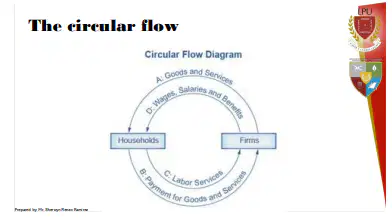
CIRCULAR FLOW OF INCOME
DESCRIBES THE FLOW OF MONEY, RESOURCES, AND GOODS AND SERVICES THROUGHOUT THE ECONOMY IN A SIMPLIFIED WAY.
HOUSEHOLDS - CONSISTS OF ONE OR MORE PERSON WHO LIVE IN THE SAME HOUSING UNIT, SUCH AS FAMILY. THEY OWN THE ECONOMIC RESOURCES IN THE ECONOMY. (LAND, LABOR, CAPITAL, AND ENTREPRENEURIAL ACTIVITY)
FIRMS - A BUSINESS IS A PRIVATELY OWNED ORGANIZATION THAT PRODUCES GOODS AND SERVICES AND THEN SELLS THEM.
MULTIPLIER EFFECT
• THE MULTIPLIER EFFECT REFERS TO THE PROPORTIONAL AMOUNT OF INCREASE, OR DECREASE, IN FINAL INCOME THAT RESULTS FROM AN INJECTION, OR WITHDRAWAL, OF SPENDING.
• THE MULTIPLIER EFFECT REFERS TO THE PROPORTIONAL AMOUNT OF INCREASE, OR DECREASE, IN FINAL INCOME THAT RESULTS FROM AN INJECTION, OR WITHDRAWAL, OF SPENDING.
GROSS DOMESTIC PRODUCT
IS THE VALUE OF A NATION'S FINISHED DOMESTIC GOODS AND SERVICES DURING A SPECIFIC TIME PERIOD
GROSS DOMESTIC PRODUCT IS THE MOST BASIC INDICATOR USED TO MEASURE THE OVERALL HEALTH AND SIZE OF A COUNTRY'S ECONOMY. IT IS THE OVERALL MARKET VALUE OF THE GOODS AND SERVICES PRODUCED DOMESTICALLY BY A COUNTRY
CONSUMPTION: THE VALUE OF THE CONSUMPTION OF GOODS AND SERVICES ACQUIRED AND CONSUMED BY THE COUNTRY'S HOUSEHOLDS. THIS ACCOUNTS FOR THE LARGEST PART OF GDP
GOVERNMENT SPENDING: ALL CONSUMPTION, INVESTMENT, AND PAYMENTS MADE BY THE GOVERNMENT FOR CURRENT USE
CAPITAL SPENDING BY BUSINESSES: SPENDING ON PURCHASES OF FIXED ASSETS AND UNSOLD STOCK BY PRIVATE BUSINESSES
EXCHANGE RATE SYSTEM
FOREIGN EXCHANGE, OR FOREX, IS THE CONVERSION OF ONE COUNTRY'S CURRENCY INTO ANOTHER. IN A FREE ECONOMY, A COUNTRY'S CURRENCY IS VALUED ACCORDING TO THE LAWS OF SUPPLY AND DEMAND.
THE VALUE OF ANY PARTICULAR CURRENCY IS DETERMINED BY MARKET FORCES RELATED TO TRADE, INVESTMENT, TOURISM, AND GEO-POLITICAL RISK.
EXCHANGE RATE SYSTEM
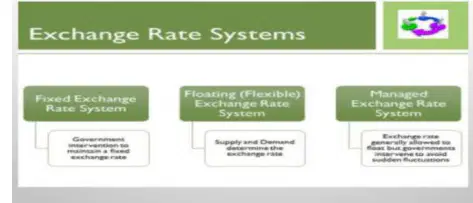
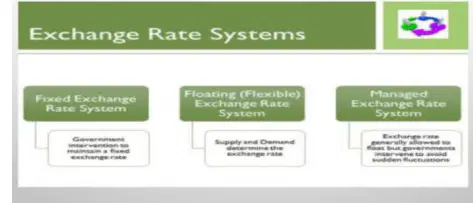
A FIXED EXCHANGE RATE, ALSO KNOWN AS THE PEGGED EXCHANGE RATE, IS "PEGGED" OR LINKED TO ANOTHER CURRENCY OR ASSET (OFTEN GOLD) TO DERIVE ITS VALUE.
"EXCHANGE RATES IS AN AMOUNT OF THE DOMESTIC CURRENCY YOU WILL HAVE TO PAY TO OBTAIN A UNIT OF A FOREIGN CURRENCY."
FLEXIBLE OR FLOATING EXCHANGE RATE SYSTEMS ARE ONES WHEREBY THE RATE OF A CURRENCY IS DETERMINED BY THE MARKET FORCES OF DEMAND AND SUPPLY.
A MANAGED FLOATING EXCHANGE RATE IS A REGIME THAT ALLOWS AN ISSUING CENTRAL BANK TO INTERVENE REGULARLY IN FX MARKETS IN ORDER TO CHANGE THE DIRECTION OF THE CURRENCY'S FLOAT
EXHCHANGE RATE SSYSTEM
INFLATION
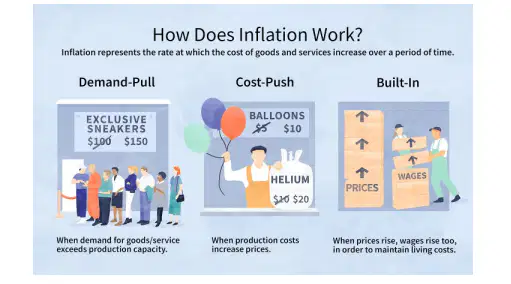
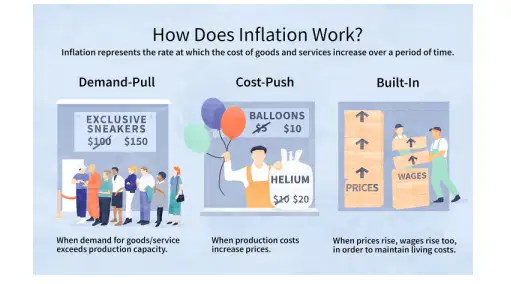
INFLATION IS THE RATE AT WHICH THE VALUE OF A CURRENCY IS FALLING AND CONSEQUENTLY THE GENERAL LEVEL OF PRICES FOR GOODS AND SERVICES IS RISING.
INFLATION IS SOMETIMES CLASSIFIED INTO THREE TYPES: DEMAND-PULL INFLATION, COST- PUSH INFLATION, AND BUILT-IN INFLATION.
INFLATION CAN BE VIEWED POSITIVELY OR NEGATIVELY DEPENDING ON THE INDIVIDUAL VIEWPOINT AND RATE OF CHANGE.
HOW DOES INFLATION WORK?
• INFLATION CAN HAVE A MAJOR EFFECT ON THE VALUE OF A COUNTRY'S CURRENCY AND ITS FOREIGN EXCHANGE RATES WITH OTHER CURRENCIES. WHILE IT IS JUST ONE FACTOR AMONG MANY, INFLATION IS MORE LIKELY TO HAVE A SIGNIFICANT NEGATIVE EFFECT ON A CURRENCY'S VALUE AND FOREIGN EXCHANGE RATE.
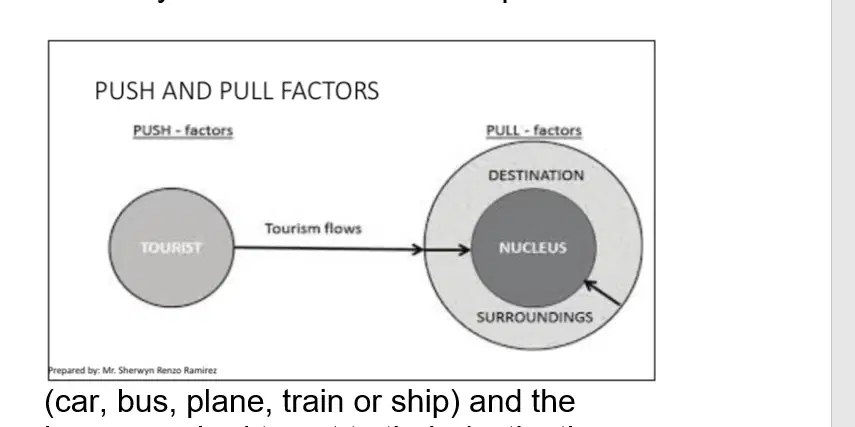
PUSH- TOURIST NAGBIBIGAY
PULL- DESTINATION TUMATANGGAP

