
 Worksheets
Gr3_ Science_ Q2_ Eyes and its function
Total questions: 32
Worksheet time: 2hrs 36mins
What organ of the body do you use to see and observe the things around you?
(a)
What protect your eyes? Choose the correct answers. There could be more than 1 answer.
eyelids
pupil
eyelashes
eyebrows
Whic part of the shields the eyeball? (one answer only).
eyelids
pupil
eyelashes
eyebrows
Eyelids work together with _________ to protect your eyes from dirt.
eyelids
pupil
eyelashes
eyebrows
Your ___________ block sweat from getting into your eyes.
eyelids
pupil
eyelashes
eyebrows
When you blink or close your eyelids, ________ spreads over your eye to keep it moist.
dirt
tears
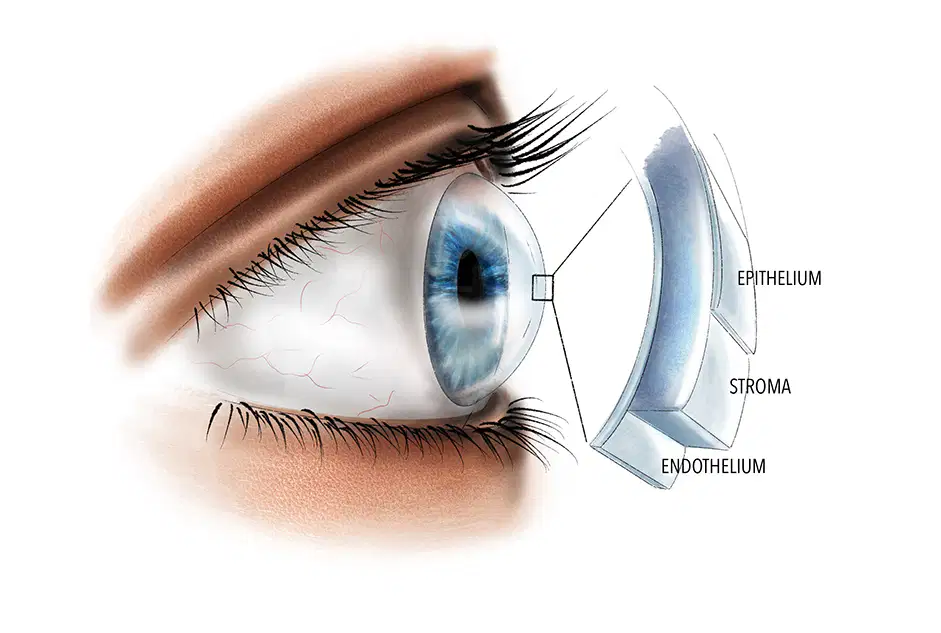
LIght enters your eyes through __________, which is the transparent part of our eyes.
iris
pupil
cornea
sclera
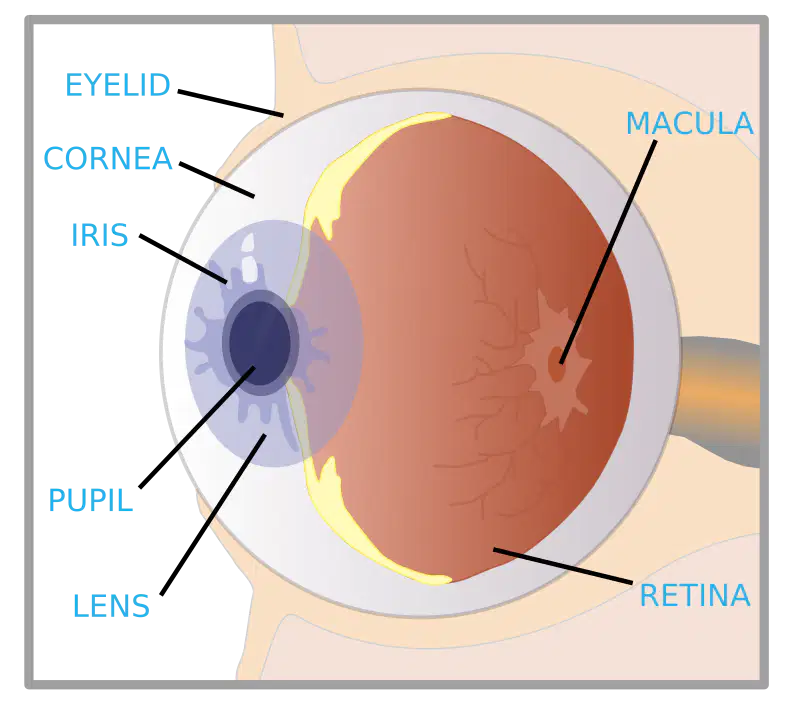
At the back of the cornea is the _________ that controls the amount of light that enters your eyes.
iris
pupil
cornea
sclera
The ________ is the opening at the center of the iris. The _________ and the iris work together in controlling the light that enters the eye.
iris
pupil
cornea
sclera
When you enter a brightly lit room, the iris makes the pupil smaller to allow less light to enter your eye. In a dimly lit room, the iris makes the pupil bigger to let more light to enter the eye.
Is this true or false?
True
False
From the pupil, light passess through the ______, which focuses the light rays directly to the retina that is found at the back of the eyeball.
retina
pupil
cornea
lens
iris
It is found at the back of the eyeball.
retina
pupil
cornea
lens
iris
Special cells in the retina, process the light that enters your eyes to identify the objects you see. These special cells are called _________________.
brain cells
optic cells
nerve cells
rods and cones
Rods are sensitive to color while
cones are sensitive to light.
Is this correct?
Correct
Not correct
Cells in the retina are called __________. These cells carry messages about what your eyes see to the optic nerve.
brain cells
optic cells
nerve cells
rods and cones
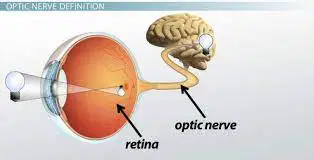
The ___________ sends the message to the brain. The brain then interprets what your eyes are seeing.
brain cells
optic nerves
nerve cells
rods and cones
Which is not correct in taking care of your eyes?
Eat food rich in Vitamin A.
Always follow safety rules to protect your eyes.
If a foreign object gets into your eye, flush it out with water. DO NOT RUB YOUR EYE.
Wear glasses with UV protection when under the sun.
Do not take short breaks when reading. Exposure to very bright light will not damage your eyes.
Have a eye check-up every year.
Common eye problems 1:
It results to blurred vision. This is due to an irregularly shaped cornea that prevents light from focusing properly on the retina.
Conjunctivitis
Dry eyes
Sty
Astigmatism
sore eyes
Common eye problems 2:
It is an infection of the oil glands in the eyelid. It is painful red lump near the edge of the eyelid or under the eyelashes. This eye problem is caused by bacteria.
Conjunctivitis
Dry eyes
Sty
Astigmatism
sore eyes
Common eye problems 3:
_____________ happen when the tear glands do not produce enough tears to moisten and lubricate the eyes. Warm and windy weather and high altitude can cause this.
Conjunctivitis
Dry eyes
Sty
Astigmatism
sore eyes
Long periods of using the computer will result in less blinking causing the eyes to dry. Symptoms of dry eyes may include itchiness, irritation, red eyes and blurred vision.
True
False
Drinking 8-10 glasses of water can help manage dry eyes. Dry eyes are itchy but you should not rub your eyes. Visit an eye doctor when the itchiness gets worse.
True
False
Applying cold compress can relieve the discomfort caused by a sty. It can also drain the pus. In most cases, doctors prescribe antibiotics to treat the infection.
True
False
Symptoms of conjunctivitis are redness and discomfort of the eyes and difficulty in opening the eyes after sleeping.
True
False
Common eye problems 4:
_____________ results from the irritation of the covering of the eyeball and the inner eyelid. It is caused by a viral infection. It spreads when you touch your eyes with your hands after touching contaminated objects. Pink eye is the inflammation or infection of the transparent membrane that lines your eyelid and eyeball.
Conjunctivitis
Dry eyes
Sty
Astigmatism
sore eyes
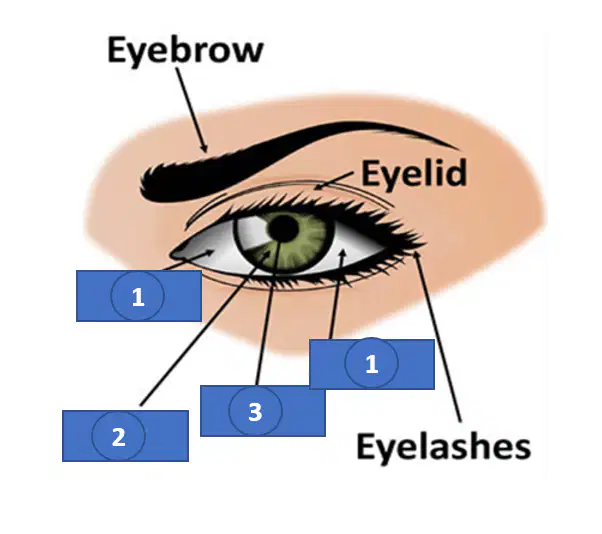
What do you call the part of the eye # 1
Pupil
Sclera
Iris
What do you call the part of the eye # 2
Pupil
Sclera
Iris
What do you call the part of the eye # 3
Pupil
Sclera
Iris
Lens
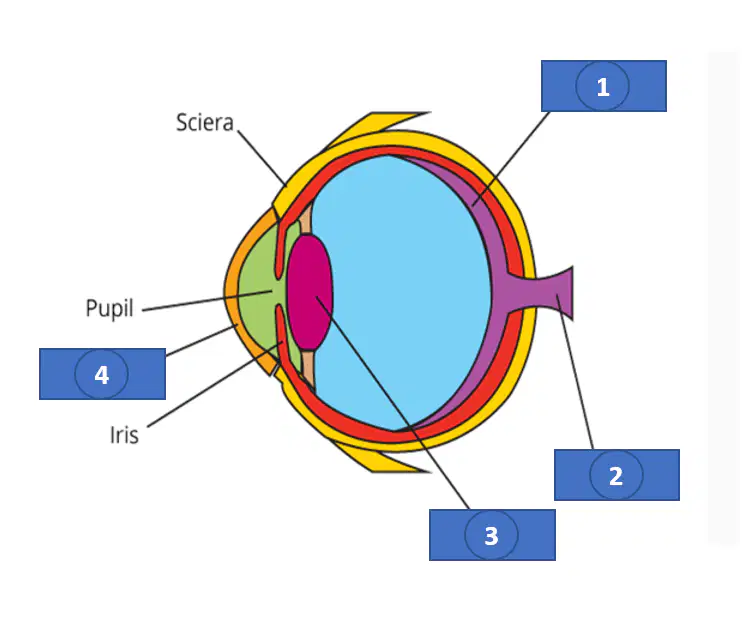
What do you call the part of the eye # 1
Lens
Optic Nerve
Retina
Cornea
What do you call the part of the eye # 2
Lens
Optic Nerve
Retina
Cornea
What do you call the part of the eye # 3
Lens
Optic Nerve
Retina
Cornea
What do you call the part of the eye # 4
Lens
Optic Nerve
Retina
Cornea

