
 Worksheets
Unit 3.00 Circulatory System- HS 2
Total questions: 50
Worksheet time: 1hrs 26mins
What is the main organ of the circulatory system?
Lungs
Heart
Capillaries
Veins
Which type of blood vessels carry blood away from the heart?
Veins
Capillaries
Arteries
Venules
True or False: There are six valves in the heart.
True
False
Veins carry blood ____________________ to heart while arteries carry blood _____________________________ the heart.
toward, away from
away from, toward
Select the three parts of our circulatory system.
Esophagus, trachea and heart.
Arteries, veins and heart.
Nerves, spinal chord and heart.
Fights disease and infection. Made by the lymphatic system.
white blood cells
red blood cells
circulatory system
blood
Cholesterol and plaque builds up on vessel walls and causes heart attack and stroke.
leukemia
heart disease
hemophilia
sickle-cell anemia
A hereditary disease where blood does not clot to stop bleeding.
hemophilia
heart disease
sickle-cell anemia
leukemia
The contraction/emptying phase of the cardiac cycle?
Systole
Diastole
The relaxing/filling stage of the cardiac cycle?
Systole
Diastole

An abnormal widening/ballooning of a portion of an artery.
aneurysm
embolism
thrombosis
atherosclerosis
A blood clot that travels through the circulatory system and eventually becomes lodged within a blood vessel?
aneurysm
embolism
thrombosis
atherosclerosis

Name part N.
Right atrium
left atrium
right ventricle
left ventricle

Name part A.
Pulmonary artery
Pulmonary vein
Superior vena cava
Aorta

Name part M.
Tricuspid valve
Semilunar valve
Bicuspid valve
Mitral valve
What is the Circulatory System also known as?
cardiovascular system
blood system
vein system
central system
The upper chambers of your heart are called ______
atrium
ventricle
vesticle
artery
How many chambers are in the human body?
9
10
4
2
What are erythrocythes?
red blood cells
white blood cells
plasma
platelets
What are thrombocythes?
heart vessels
platelets
white blood cells
pulmonary vein
What are leukocytes?
red blood vessels
plasma
white blood cells
platelest
What are the 4 major blood types?
Blood type A
Blood type B
Blood type C
Blood type AB
Blood type O
What type of antigens can be found on the surface of RBC's when someone has blood type O?
A
B
AB
none
What antibodies can be found in the plasma when someone has blood type A?
none
A
B
A and B
What is the function of white blood cells?
carry oxygen
fight infection
carry nutrients
clot blood
Which peripheral pulse site is generally used in emergency situations?
Apical
Temporal
Carotid
Radial

What pulse is "D"?
Superficial Temporal
External Maxillary
Carotid
Brachial
This condition occurs when blood pressure is regularly 140/90 or higher.
If this is left untreated it will increase the risk of heart attack, stroke and other serious health problems. Most people with this condition have no symptoms, even if blood pressure readings reach dangerously high levels. Treatment is to make lifestyle changes and medications.
Hypertension
Hypotension
Atherosclerosis
Myocardial Infarction
(Ischemic)
Stroke
This disorder is a problem of not having enough healthy red blood cells or hemoglobin to carry oxygen to the body's tissues. This can cause tiredness, weakness and shortness of breath. There are many forms of this and each type has its own cause. This may be a warning sign of a serious illness. Treatments for this condition might involve taking supplements or having medical procedures.
Hemophilia
Leukemia
Anemia
Heart Failure
Arrhythmia
This disorder is a cancer of the blood, characterized by the rapid growth of abnormal blood cells. It begins in cells in the bone marrow. There are many types of this disorder with some being more common in children and some more common in adults. Treatments for this condition depend on the type of this disorder that the person has, their age and overall health, and if it has spread to other organs or tissues.
Hemophilia
Leukemia
Anemia
Heart Failure
Arrhythmia
This condition is a rare genetic disorder in which the blood doesn't clot in the typical way because it doesn't have enough blood-clotting proteins (clotting factors). People that have this condition might bleed for a longer time after an injury than they would if their blood clotted properly. Treatment includes regular replacement of the specific clotting factor that is reduced.
Hemophilia
Leukemia
Anemia
Heart Failure
Arrhythmia
This condition occurs when the heart muscle (myocardium) does not get enough blood and oxygen. This can be a symptom of coronary artery disease (CAD). Pain associated with this disorder is often described as squeezing, pressure, heaviness, tightness or pain in the chest. Options for treatment include lifestyle changes, medications, angioplasty, stenting, and open heart surgery.
Hemophilia
Angina Pectoris
high cholesterol
Heart Failure
Arrhythmia
term for slow heart rate (less than 60 beats per minute)
Bradycardia
Tachycardia
Term used for rapid heart rate (more than 100 beats per minute)
Bradycardia
Tachycardia
A chronic blood disorder inherited from both parents. The disease causes red blood cells to form in the abnormal crescent shape. These cells carry less oxygen and break easily, causing anemia
Arrhythmia
Septicemia
Polycythemia
Sickle cell anemia
What are the lower chambers of the heart called?
Arteries
Ventricles
Atria
Vessels

Place the pathway of blood through the heart in the correct sequence.
L-K-H-B-G-E-C-F-A-I-E-D
I-J-D-C-F-A-H-B-G-E-K-L
A-B-J-C-D-E-F-K-L-G-H-I
I-J-E-D-C-F-A-B-G-H-K-L
Which blood cells that help you stop bleeding if you get a cut?
Red
White
Plasma
Platelets
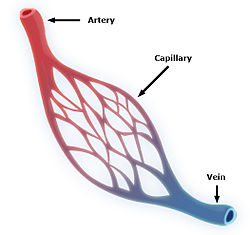
Which is the smallest of the 3 blood vessels?
Veins
Arteries
Capillaries

What percent of blood is liquid?
43%
55%
2%
57%

#14
superior vena cava
inferior vena cava
pulmonary veins
apex

