
 Worksheets
Biochem Quizizz Review
Total questions: 35
Worksheet time: 23mins

Carbohydrate

Protein

Nucleic Acid

Lipid
Carbohydrate
Cellulose
Lipid
Olive Oil
Protein
Enzyme
Nucleic Acid
mRNA
Which Elements are found in ALL organic compounds? (a) (b) (c)
An athlete is getting ready for a big race tomorrow. Which form of energy would he want to eat the night before?
Sugary fruit and honey
Bread and Pasta
Fatty
Steak
Foods with lots of cellulose
Lots of mixed nuts
What are organic molecules?
Molecules based on oxygen
Molecules based on carbon
Molecules that are made in laboratories
Molecules that organisms cannot make on their own
One type of organic molecule is a MACROMOLECULE. What are the 4 types of macromolecules?
Carbohydrates
Lipids
Proteins
Sulfates
Nucleic acids
Macromolecules are often POLYMERS. What are polymers?
Really large molecules made from smaller molecules
Small building blocks
Inorganic materials
Large molecules made from oxygen

The diagram shows the general structure of an amino acid. Which type of molecule is formed from amino acids?
lipids
proteins
carbohydrates
nucleic acids
You are analyzing a compound in the laboratory. You find that it is made up of carbon, hydrogen, and oxygen in a ratio of two hydrogen atoms for each carbon atom. How will you classify the compound?
lipid
protein
carbohydrate
nucleic acid
Fats, oils and cholesterol are all types of what?
cell membranes
hormones
lipids
fatty acids

RNA and DNA are which type of macromolecules?
carbohydrate
lipid
nucleic acid
protein
What will most likely happen if an appropriate enzyme is added to a chemical reaction?
The reaction rate will increase.
The equilibrium of the reaction will be maintained.
The reaction rate will decrease.
The reaction will stop.

A sugar, a phosphate group, and a nitrogen base form the building blocks of which organic compound?
carbohydrates
lipids
nucleic acids
proteins
The human body maintains a temperature of around 98.6 degrees at all times. Enzymes are involved in almost every chemical reaction in the body. Which of the following describes the connection between these two statements?
Enzymes function best at a specific temperature.
The body needs to be warm to prevent hypothermia.
The body is kept relatively warm to prevent too much enzyme action.
There is no connection between the two statements.

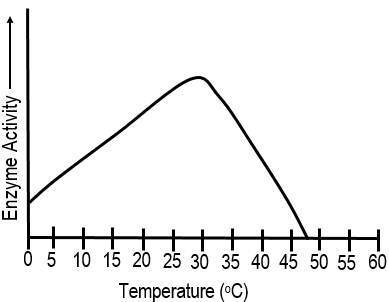
Enzymes _ activation energy
raise
lower
What kind of macromolecule are enzymes?
proteins
nucleic acids
lipids
carbohydrates
What two factors affect how an enzyme functions?
temperature and pH
temperature and viscosity
pH and viscosity
What are the building blocks of carbohydrates/starches?
Amino acids
monosaccharides
glycerol and fatty acids
nucleotides
Match Triglyceride to the correct macromolecule:
Protein
Lipid
Carbohydrate
Nucleic Acid
Match polysaccharide to the correct macromolecule:
Protein
Lipid
Carbohydrate
Nucleic Acid
Match the following large organic molecule with their building blocks
Starch
Simple Sugars
Protein
Amino Acids
Lipids
Glycerol and Fatty Acids
Nucleic Acids
Nucleotides

