
 Worksheets
Ecology
Total questions: 140
Worksheet time: 3hrs 52mins
Any living thing in the environment including animals and plants
biotic factor
abiotic factor
Non-living things in the environment
biotic factors
abiotic factors
Which of the following is NOT an abiotic factor?
rocks
temperature
sunlight
grass
Which of the following is NOT a BIOTIC factor?
sand
grass
bumblebee
dog

Take a look at the picture.
Is this biotic or abiotic?
biotic
abiotic

Take a look at the picture.
Is this biotic or abiotic?
biotic
abiotic

Take a look at the picture.
Is this biotic or abiotic?
biotic
abiotic

Take a look at the picture.
Is this biotic or abiotic?
biotic
abiotic

Take a look at the picture.
Is this biotic or abiotic?
biotic
abiotic

Take a look at this pond ecosystem.
List (3) BIOTIC factors that you see
(a)
An abiotic factor is something that is _____________.
Deadly
Living
Non-living
Successful
A biotic factor is something that is ________________.
Helpful
Living
Non-living
Temporary
A palm tree is an example of a(n):
Abiotic factor
Biotic factor
Temperature is an example of a(n):
Abiotic factor
Biotic factor
Fungus is an example of a(n):
Abiotic factor
Biotic factor
Soil is an example of a(n):
Abiotic factor
Biotic factor

If the number of wolves were to increase in an ecosystem, what would happen to the moose population? The moose population would ________________.
Increase
Decrease
Stay the same
What effect would a severe drought have on an ecosystem?
Positive
Negative
Neutral
What effect would increasing nutrient availability have on an ecosystem?
Positive
Negative
Neutral
What effect does increasing the pH of water have on an aquatic ecosystem?
Positive
Negative
Neutral
The number of organisms an ecosystem can support without environmental degradation is called ____________________.
Carrying capacity
Limiting factors
Population density
Simulations
The scientific study of interactions among organisms, populations, and communities and their interactions with their environment.
Population
Ecology
Succession
Biosphere
Abiotic can be defined as?
An organism that is alive
Non-living parts of the environment
Living Parts of the environment
A new kind of Pokemon that lives with Pikachu
Biotic can be defined as
the living parts of an environment
non-living parts of an environment
rocks and water
snakes and water
Biotic can be defined as
the living parts of an environment
non-living parts of an environment
rocks and water
snakes and water
What is the energy source for the water cycle?
sun
wind
rain
oceans
What are clouds made of?
dry air
water
On Earth, what process generates most of the water vapor?
Condensation
Evaporation
Precipitation
Transpiration

What is the energy source that drives the water cycle?
The moon T
The heat from our home in the winter all around the world
The sun
he heat generated solely from the core of the earth

What are formed when water vapor condenses?
Clouds
Mountains
Transpiration
Valleys
Water in its gas form is called ____________________,
water vapor
precipitation
ice
air
Which of the following is an example of precipitation?
sleet
hail
snow
all of the above
If groundwater reaches earth's surface, how does it reenter the water cycle?
by transpiration
by evaporation
by accumulation
it can't

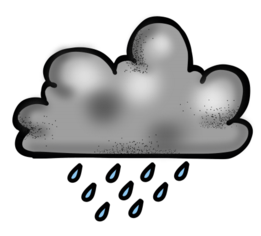
Which example is a form of precipitation?
Dew
Fog
Frost
Hail
In which area would the rate of evaporation be the lowest?
Over the ocean
Over the mountains
Over the rainforest
Over the desert
What would happen if the Sun is removed from the water cycle?
The water cycle would not include precipitation but would continue with groundwater flow.
The water cycle would no longer occur because the Sun provides the energy for evaporation and transpiration.
The water cycle would no longer occur because the Sun provides energy for the formation of clouds.
The water cycle would not include evaporation and transpiration but would continue with condensation.

A student draws a model to represent the precesses involved in the water cycle, as shown. To which process is the formation of clouds related?
Condensation
Evaporation
Freezing
Melting

The image shows various stages in the water cycle. During which stage does water flow back towards the sea as runoff?
W
X
Y
Z
On Earth, what process generates most of the water vapor?
Condensation
Evaporation
Precipitation
Transpiration
Rain and snow are two different forms of precipitation that fall on Earth's surface. Which factor is responsible for there being different forms of precipitation?
Evaporation
Run-off
Temperature
Transpiration
What is precipitation?
Sweat from our bodies on hot days
Warm rain but not cold snow or sleet
Gas that we use in furnaces or ovens
Any form of water that falls from the sky

What is another name or synonym for the water cycle?
Geologic cycle
Hydrologic cycle
Geosphere
Carbon cycle
What is the energy source that drives the water cycle?
The moon T
The heat from our home in the winter all around the world
The sun
he heat generated solely from the core of the earth


Which compound does NOT contain carbon atoms?
carbon dioxide
ammonium
calcium carbonate
methane
Which is a true statement?
Humans depend on oxygen, plants depend on carbon dioxide
Plants produce carbon dioxide
Humans depend on carbon dioxide, plants depend on oxygen
Humans don't depend on plants for the air they need
Which of the following creates a calcium carbonate structure?
plants
cows
corals
decomposers
What is the ultimate source of energy for most organisms?
The Sun
The Earth
Plants
Producers


Which animal is the top predator?
hawk
lizard
snake
grass

Which animal is not the top predator but, a predator to a mouse?
hawk
rabbit
snake
grass
Hunts other organisms
Predator
Prey
Autotroph
Decomposer
Hunted by other organisms
Predator
Prey
Decomposer
Autotroph
Breaks down dead things
Predator
Prey
Decomposer
Autotroph
Non-living
Ecology
Biodiversity
Biotic
Abiotic
Living
Biotic
Abiotic
Ecosystem
Biodiversity
Variety of life
Ecosystem
Biodiversity
Biome
Micro-Habitat
Organisms that obtain energy by feeding on other organisms
Producer
Consumer
Decomposer
Organisms that make their own food
Producer
Consumer
Decomposer
Consumers that eat only plants
Carnivores
Omnivores
Herbivores
Scavengers
Consumers that eat only animals
Carnivores
Omnivores
Herbivores
Scavengers
Consumers that eat both plants and animals
Omnivores
Carnivores
Herbivores
Scavengers
A food _______ is a series of events in which one organism eats another and obtains energy.
chain
web
pyramid
plate
A food _______ consists of many overlapping food ________.
web, chains
chain, webs
pyramid, webs
web, pyramids

In the food web above, what eats the rabbit?
Fox
Hawk
Vole
Grass

In the energy pyramid, what is the bottom level composed of?
Producers
First-Level Consumers
Second-Level Consumers
Third-Level Consumers

Plants, insects, frogs, and snakes live in an ecosystem. What would happen if the snakes were removed from the ecosystem?
Insect population would increase.
Frog population would decrease.
Frog population would increase.
Plant population would decrease.
What type of organisms make their own food for energy?
Producers
Predators
Consumers
Decomposers
What does the arrow represent in a food chain?
How far organisms live from each other.
The transfer of energy from one organism to another.
The size of the organisms from smallest to largest.
The amount of energy the organism receives from the sun.
Consumer is...
An organism that makes its own food for energy.
Energy that moves through a food chain starts with--
The path of food energy from one organism to another.
An organism that gets energy from eating another organism.

Based on the picture, which includes herbivore is...
frog
Grasshopper
Snake
eagle

A new fish that also eats plants is introduced into a pond. What changes would occur to this pond ecosystem?
The large fish population will decrease.
The plant population will decrease.
The small fish population will increase.
The new fish population will decrease.

Based on the food chain, what effect would be the most likely direct result of increasing the number of fish?
Beetles would have trouble finding food.
There would be more kinds of plants.
The population of beetles decreased.
Plants would no longer survive in this habitat.

Which of the following is represented in the diagram?
Evaporation of water
Reflection of light
Animal life cycle
Transfer of energy
In an energy pyramid, energy_______ as you move up the pyramid
Increases
Decreases
Stays the same
Changes up and down

In the energy pyramid here, how much of the energy in the producers gets passed to the herbivores?
10%
20%
80%
90%
If only 10% of an organism's energy is available for the next trophic level, what happens with the other 90% of the energy?
It is destroyed after it is used up
It is used to grow plants
It is lost completely as body heat
It is used for life processes like movement, creating offspring producing waste or lost as body heat
herbivores like to eat?
meat
grass
meat and grass
pizza
carnivores eat?
meat
grass
both meat and grass
chocolate
omnivores eat?
meat
grass
both meat and grass
pop tarts
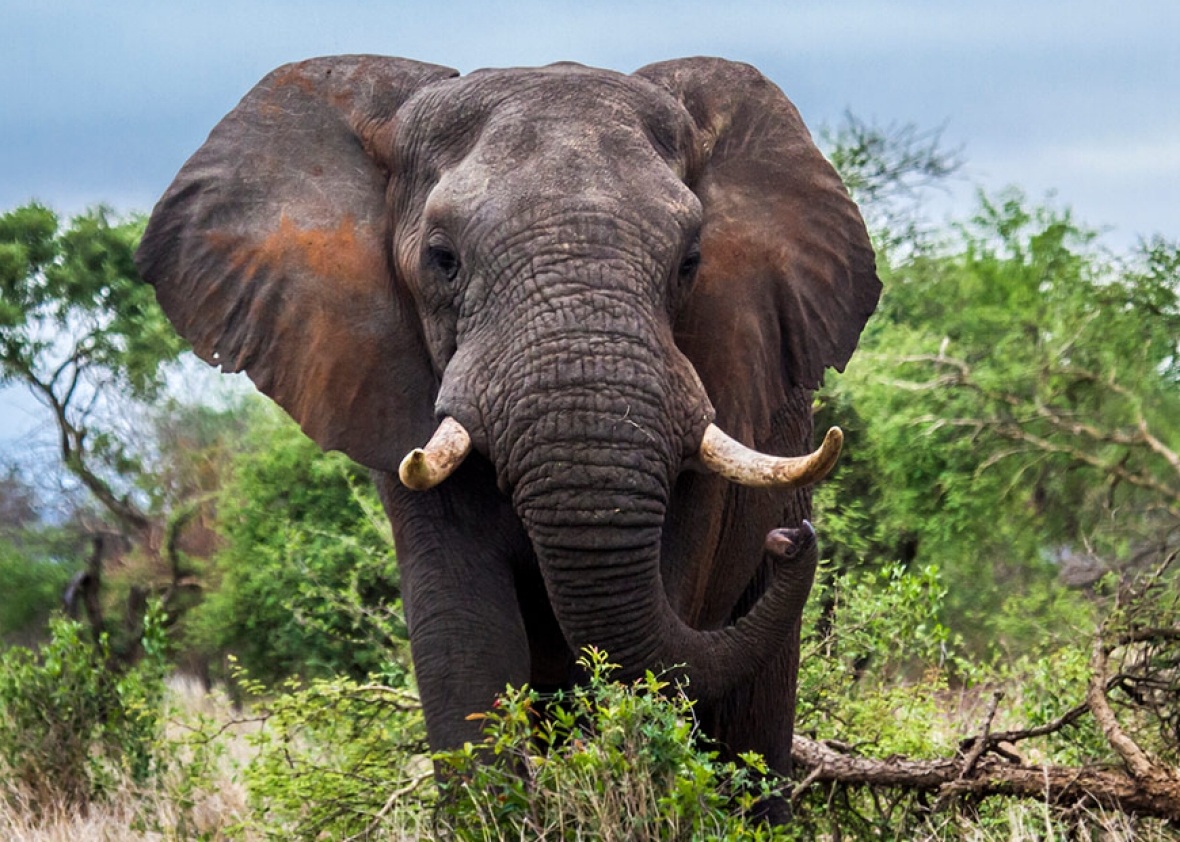
elephant
omnivore
herbivore
carnivore

Grizzly Bear
omnivore
herbivore
carnivore

lion
omnivore
herbivore
carnivore

raccoon
omnivore
herbivore
carnivore

wolf
omnivore
herbivore
carnivore


In which type of interaction does one animal eat another for energy and nutrients?
Competition
Parasitism
Predation
Mutualism

Which of the following is NOT a symbiotic relationship?
Competition
Commensalism
Mutualism
Parasitism

What term describes organisms striving for the same limited resources?
Competition
Predation
Mutualism
Commensalism

Commensalism is a symbiotic relationship in which what occurs between the organisms?
both organisms are harmed
one benefits, the other is unaffected
one benefits, the other is harmed
one benefits by eating the other

Fleas living within a mammal's fur describes this type of relationship:
Competition
Mutualism
Predation
Parasitism

A crab is protected from fish when an anemone rides on its shell. The anemone gets more food.
Commensalism
Competition
Predation
Mutualism

Orchid vines are skinny and grow on the trunk of trees to get more light and space with no negative effect.
Mutualism
Commensalism
Parasitism
Competition

Overall, all the interactions between organisms in ecosystems...
Keep ecosystems & populations unstable and random
Keep ecosystems & populations stable and balanced

Hermit crabs live in shells made and then abandoned by snails. This relationship neither helps nor harms the snails. Which interaction is this?
Parasitism
Mutualism
Commensalism
Competition

Ostriches and Gazelles feed next to each other. They both watch for predators and alert each other to danger. Since the visual abilities of the two species are different, they can each identify threats the other animal would not as readily see. What type of interaction is this?
Parasitism
Mutualism
Commensalism
Competition

Which pair of organisms does not have a predator–prey relationship?
A
B
C
D
Parasitism is the relationship between two organisms in which _______________.
the two organisms help each other to find food in the environment
the two organisms compete for food in the environment
one organism helps the other organism to find food in the environment
one organism benefits at the expense of the other organism
Energy is lost in a food web as it is transferred from one organism to another. Which of the following is not a means by which energy is lost?
Photosynthesis
Respiration
Excretion
Defecation
The ultimate source of energy in an ecosystem is/are _______________.
primary consumers
producers
green plants
the sun

Refer to the pyramid of energy shown below and answer the question.
Which of the following organisms can belong in trophic levels R and S?
Snake and Eagle respectively
Fish and Worm respectively
Cow and Grass respectively
Corn and Human respectively

Refer to the pyramid of energy shown below and answer the question.
An organism in trophic level P is a _______________.
producer
primary consumer
secondary consumer
tertiary consumer
Refer to the food chain shown below answer the question.
Tree -> Caterpillar -> Bird -> X
Which of the following statements about the food chain is true?
The primary consumers trap energy from the sun to make food through photosynthesis.
Organism X can be a herbivore (e.g. a deer).
The bird in the food chain is a secondary consumer.
The bird and caterpillar have a mutualistic relationship.

