
Font size
 Worksheets
Final Review Game Semester 1
Total questions: 39
Worksheet time: 20mins

Why is it important that we only change one variable in an experiment?
To ensure the outcome is due to two factors.
To ensure the outcome is due to one factor.
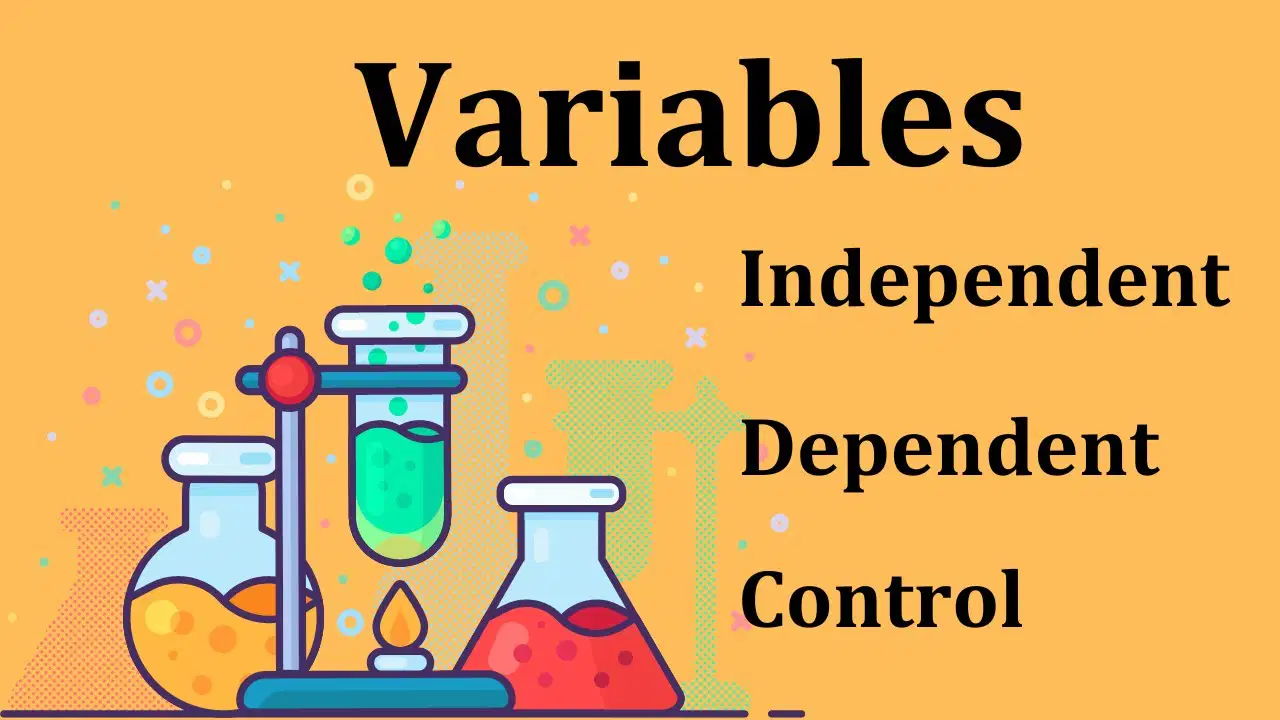
What is the independent variable?
The variable that is changed or manipulated in the experiment.
The variable that is measured in the experiment.
The variable that stays the same in the experiment.

What is the dependent variable?
The variable that is changed or manipulated in the experiment.
The variable that is measured in the experiment.
The variable that stays the same in the experiment.
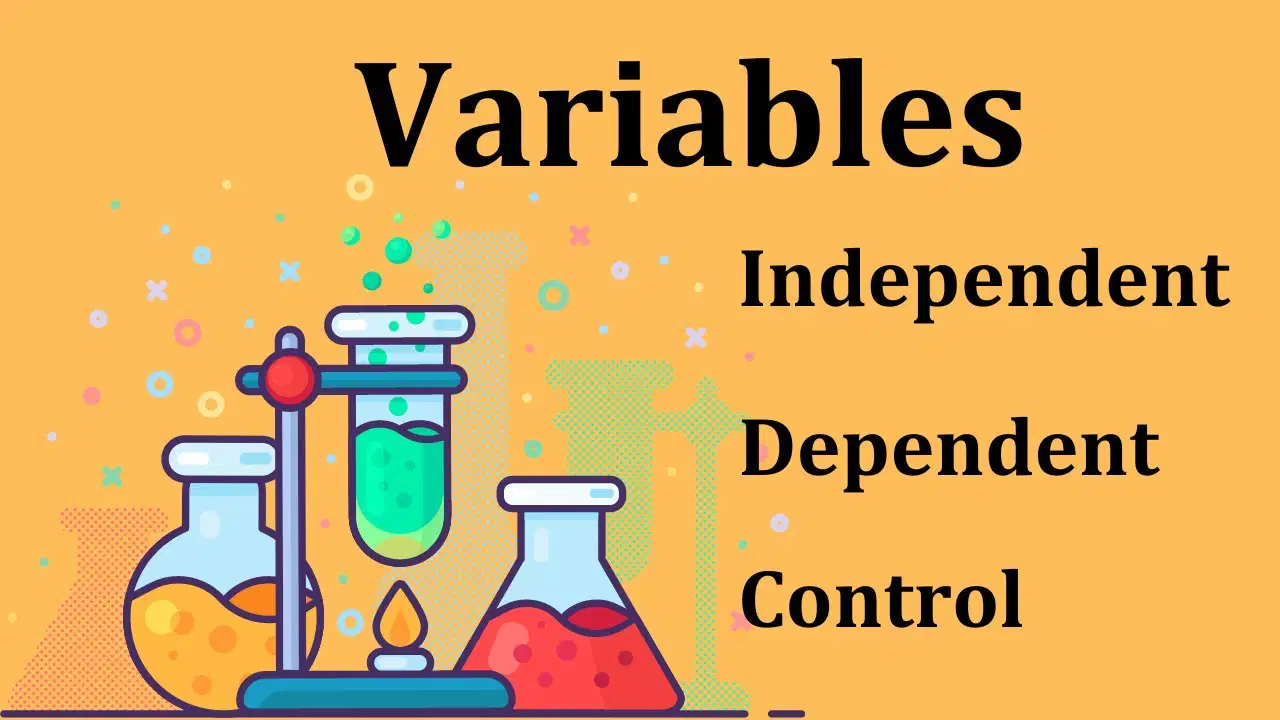
What is the control variable?
The variable that is changed or manipulated in the experiment.
The variable that is measured in the experiment.
The variable that stays the same in the experiment.

Select all the components of an A+ graph.
Main Title
X and Y axis titles
Key or Legend
Neat (Scale is correct, straight lines, & color)
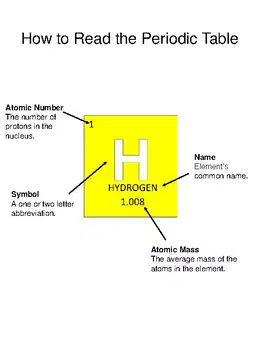
What is the atomic number of Hydrogen?
1
2
3
4
What is the symbol for Hydrogen?
A
B
H
C
What is the atomic mass for Hydrogen?
2.008
1.008
100
200
What is the name of the element with the atomic symbol "H"?
Carbon
Nitrogen
Oxygen
Hydrogen

How many protons does Xenon have?
131.293
131
54
52

What period (row) is Lithium in?
1
2
3
4
What group (column) is Lithium in?
1
2
3
4

Use the periodic table key to determine which of the following is an alkaline earth metal.
Sodium (Na)
Magnesium (Mg)
Helium (He)
Hydrogen (H)

Use the periodic table key to determine which of the following is a Halogen.
Fluorine (F)
Helium (He)
Hydrogen (H)
Carbon (C)
Use the periodic table key to determine which of the following is a Non Metal.
Fluorine (F)
Helium (He)
Hydrogen (H)
Neon (Ne)
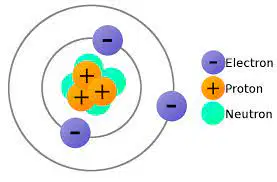
What is the charge of electron in the atom?
Positive
Negative
Neutral
What is the charge of proton in the atom?
Positive
Negative
Neutral
What is the charge of neutron in the atom?
Positive
Negative
Neutral

Where is the proton located in the atom?
Surrounding the Nucleus
In the nucleus
Where is the neutron located in the atom?
Surrounding the Nucleus
In the nucleus
Where is the electron located in the atom?
Surrounding the Nucleus
In the nucleus
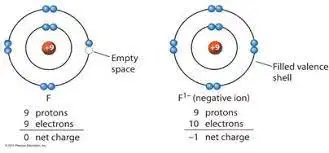
How would an atom be affected if it GAINED an ELECTRON?
It becomes negative.
It becomes positive.
It becomes neutral.
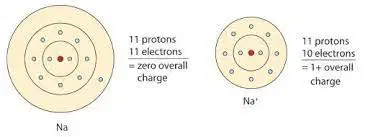
How would an atom be affected if it GAINED an PROTON?
It becomes negative.
It becomes positive.
It becomes neutral.
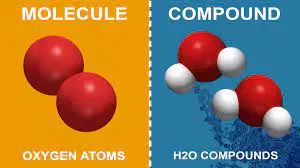
How are properties of a compound different than properties of an element?
A compound has more than one type of atom.
A compound has only one type of atom.

Which of the following are reactants in the chemical equation?
Na
Cl
O2
H2
Which of the following are products in the chemical equation?
Na
Cl
O2
H2
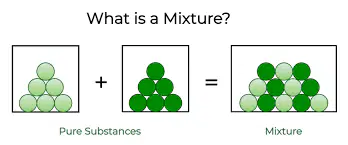
Which of the following is an example of a mixture?
Kool-aid
Bag of Coins
Salt Water
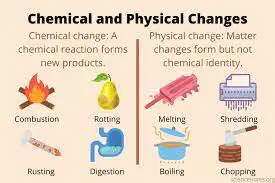
Which of the following is an example of a physical change?
Ice melting to liquid.
Campfire
Rust
Food Digestion
Which of the following is an example of a chemical change?
Ice melting to liquid.
Cutting Paper
Rust
Chopping Wood
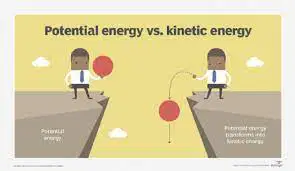
What is potential energy?
Stored Energy
Energy in motion
What is kinetic energy?
Stored Energy
Energy in motion
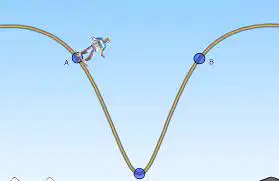
What position does the skateboarder have the most potential energy?
A
C
D
F

Which of the following is an example of Nuclear Energy?
Sun (Fusion)
Book on a table
Lightbulb
Battery
Which of the following is an example of Mechanical Energy?
Sun (Fusion)
Book on a table
Lightbulb
Battery
Which of the following is an example of Electrical Energy?
Sun (Fusion)
Book on a table
Lightbulb
Battery
Which of the following is an example of Chemical Energy?
Sun (Fusion)
Book on a table
Lightbulb
Battery
Which of the following is an example of Thermal Energy?
Campfire
Talking
Guitar
Battery
Which of the following is an example of Sound Energy?
Campfire
Talking
Book on a Table
Battery
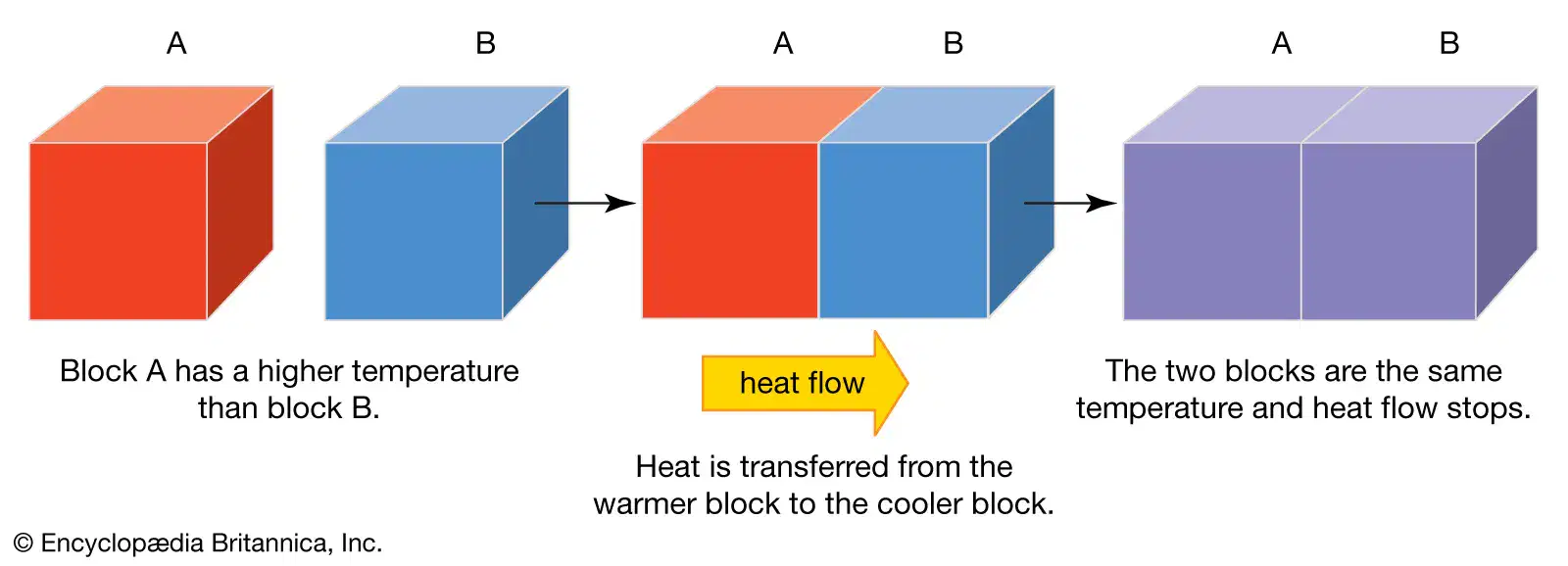
Heat is transferred from a warmer object to a cooler object.
True
False

