
NEW
Font size
 Worksheets
Pre ACP Quiz
Total questions: 37
Worksheet time: 26mins
Which type of cell DOES NOT have a nucleus?
Prokaryotic
Eukaryotic
Which type of cell HAS a nucleus?
Prokaryotic
Eukaryotic
Which type of cell is found in BACTERIA?
Prokaryotic
Eukaryotic
Which type of cell is surrounded by a cell membrane?
Prokaryotic
Eukaryotic
Both
Which type of cell has a cytoplasm?
Prokaryotic
Eukaryotic
Both

Which type of cell is this?
Prokaryotic
Eukaryotic

What type of cell is this?
Prokaryotic
Eukaryotic
Which type of cell has a flagella?
Prokaryotic
Eukaryotic
Passive Transport
Does require cell energy
Does NOT require cell energy

5. Which biomolecules provide quick energy for the cell and also provide materials to build the cell membrane/wall?
Carbohydrates
Proteins
Lipids
Nucleic Acids
2. Which biomolecules contains your genetic information?
Proteins
Lipids
Carbohydrates
Nucleic Acids
Just under an orca's skin lies a thick layer of blubber. Blubber helps insulate a whale from heat loss. Based on this information, which biomolecule is blubber primarily made of?
Lipids
Nucleic Acids
Proteins
Carbohydrates
1. The four most common elements found in biomolecules are __________.
Sulfur, Phosphorus, Carbon, Oxygen
Carbon, Oxygen, Nitrogen, Hydrogen
Sulfur, Nitrogen, Carbon, Iron
Carbon, Nitrogen, Hydrogen, Sulfur

If athletes "pasta load" the day before a big game, which biomolecule are they consuming the most of to stock up on a source of quick energy?
carbohydrates
lipids
proteins
nucleic acids
Cells of organisms must go through cell division for?
growth
repair of damaged cells
replacement of dying cells.
All of these
DNA is replicated during ______ of the cell cycle.
Gap 1
Synthesis (S phase)
Gap 2
Gap 0


Identify the following stage of the life cycle of the cell in the picture.
interphase
prophase
metaphase
anaphase
telophase
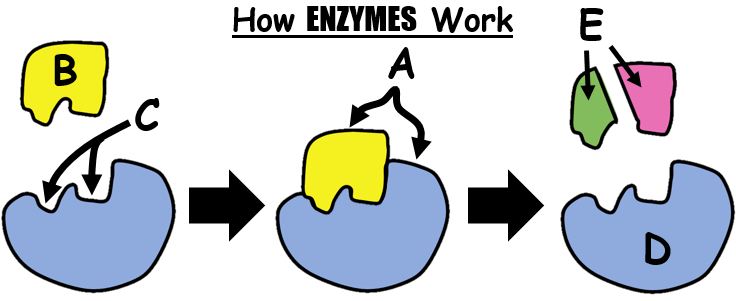
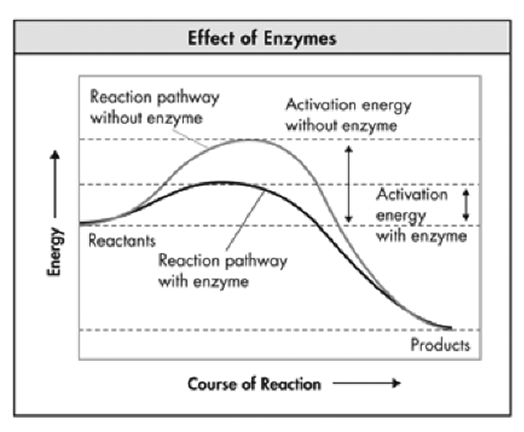

Enzymes are
Lipids
Protein
Carbohydrates
Nucleic Acids
Enzymes are responsible for-
Speeding up reactions
Giving the body energy
Slowing down reactions
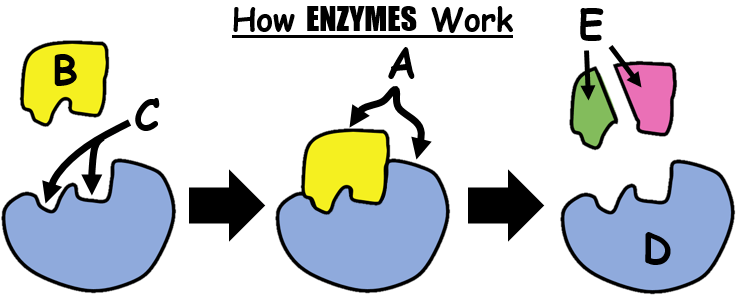
Letter D...
active site
enzyme
substrate
products
What happens when enzymes are heated to a high temperature?
The enzymes die.
The shapes of the enzyme are altered denature
The enzymes' amino acid sequence changes.
The enzymes remain the same

