
 Worksheets
Chemistry Semester 1 final
Total questions: 50
Worksheet time: 49mins


What should be done with long hair before starting a lab?
Do nothing, let it hang freely
Hold it back with your hand
Tie it back out of the way
Use a hat to hold it back
What is the safest way to smell a substance during a lab?
Lean over and smell it directly
Put it on your hand and smell it
Waft the air towards your face
Lift the substance to your nose
Why are food and drink not permitted during an experiment?
They could make your lab partner hungry
They could attract ants and other insects
They could make your instructor hungry
They could contaminate the experiment
What should you do with your station after completing the lab?
Clean it up properly
Leave it for someone else
Throw everything away
Push everything to one side


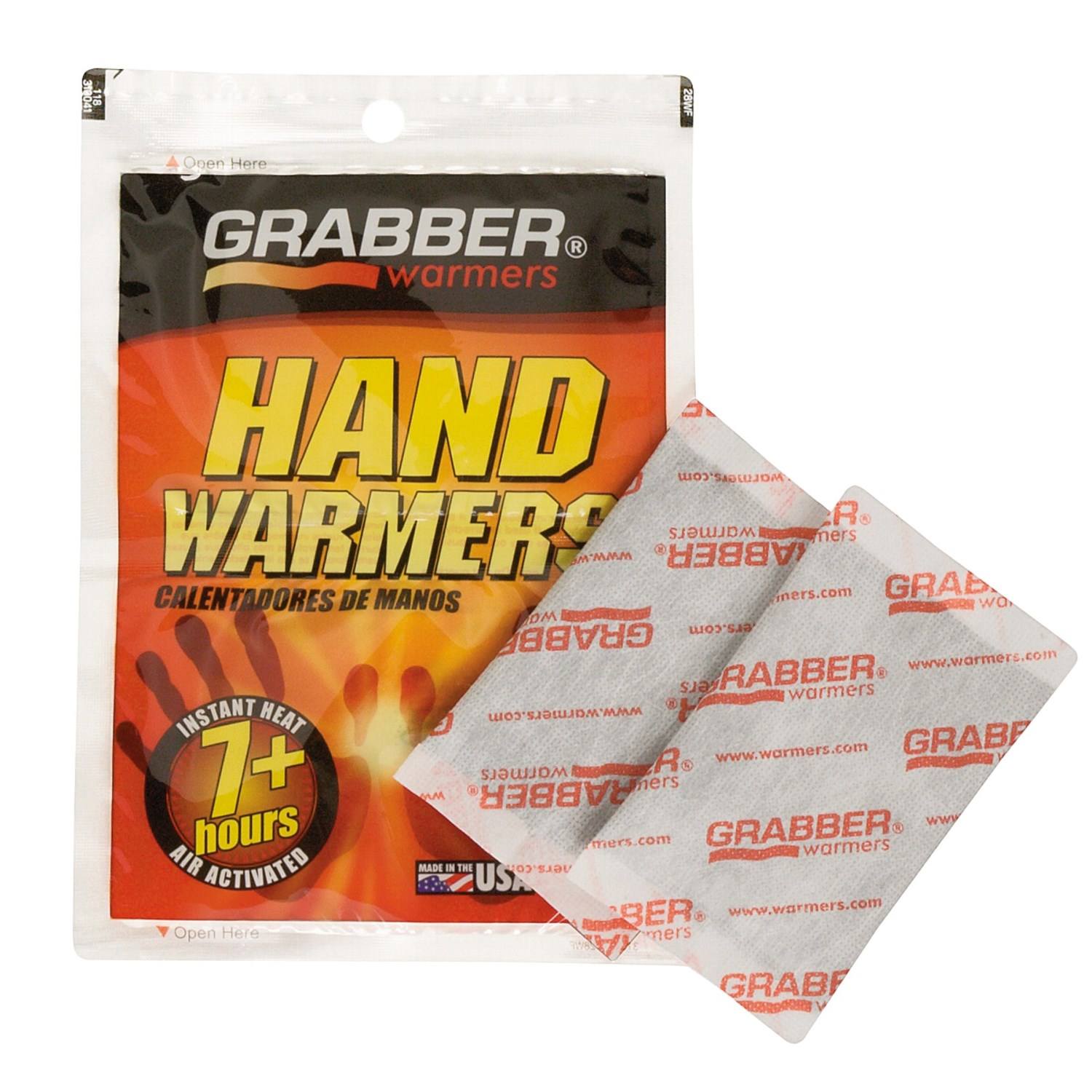

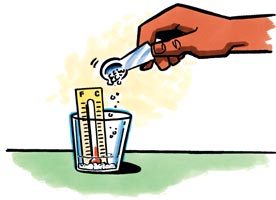
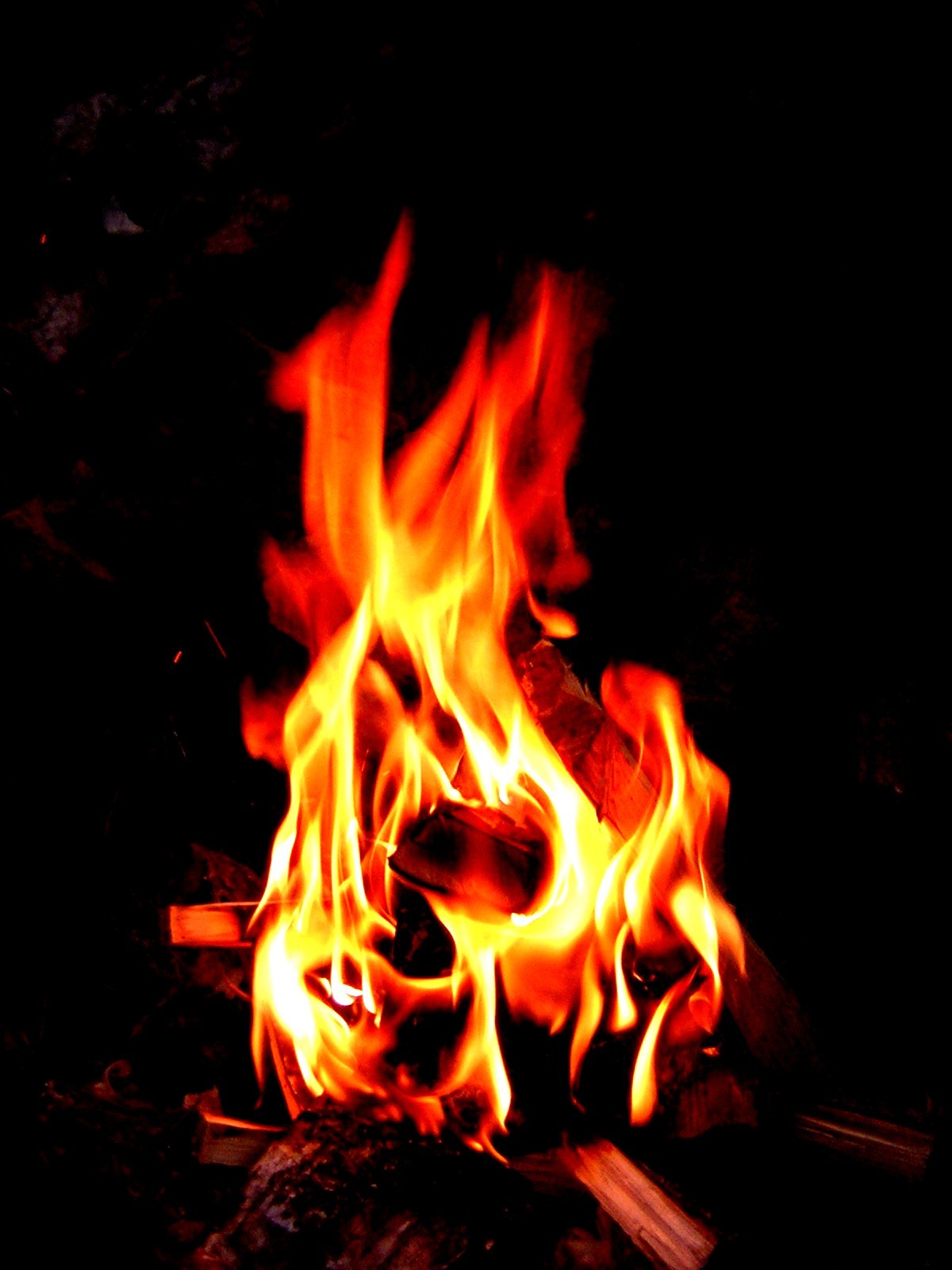
_____ reactions usually feel hot!
endothermic
exothermic
What are the columns referred to on the Periodic Table of Elements?
Families or groups
Periods
What are the rows referred to on the Periodic Table of Elements?
Families or groups
Periods
Atomic Mass equals the combined number of
Protons and Electrons
Electrons and Neutrons
Protons and Neutrons
The number of valence electrons ________ by 1 as you move across the period.
increases
decreases
Valence electrons are
the electrons in the outer most energy level
all the electrons in the atom
What is the name of group number 1?
halogens
noble gases
alkali metals
alkaline earth metals
What is the name of group number 2?
transition metals
halogens
metaloids
alkaline earth metals
What group number are the halogens found?
18 (8A)
1
2
17 (7A)
Periodic law states that the elements are arranged according to their atomic ________ so that elements with similar chemical properties are in the same ________ and properties repeat periodically.
numbers, rows
masses, rows
masses, column
numbers, column
Metals (select all that apply)
are found on the right side of the periodic table.
are found on the left side of the periodic table.
are good conductors of heat and electricity.
are brittle.
are malleable and ductile.

Which element is found in group 2, period 6?
Oxygen (O)
Barium (Ba)
Selenium (Se)
Carbon (C)
Which halogen is found in period 4?
Krypton (Kr)
Xenon (Xe)
Bromine (Br)
Iodine (I)
Which element has a larger radius?
Oxygen (O)
Sulfur (S)
Tellurium (Te)
Polonium (Po)
Which element has the highest electronegativity?
Fluorine (F)
Iodine (I)
Bromine (Br)
Chlorine (Cl)


Why are ions formed?
To make our lives difficult
Because atoms want to be stable with 8 valence electrons
Because atoms have the same number of protons and electrons
Because atoms gained neutrons
An atom with 2 protons, 3 neutrons, and 4 electrons has a charge of ____.
+2
-2
+3
0
A Bromine ion gains 1 electron, which of the following is the correct symbol for a Bromine ion?
Br-1
Br+1
Br+7
Br-7
How many electrons would a Nitrogen ion gain/lose? If it has 5 valence electrons.
lose 5
gain 5
lose 3
gain 3
What is the ion formed from Sulfur? If it has 6 valence electrons.
S+2
S-2
S+6
S-6
An ionic bond will happen between
metal and nonmetal
nonmetal and nonmetal
metal and metal
What part of the atom does bonding involve?
protons
neutrons
all electrons
valence electrons

How many electrons fit in the first energy level?
2
4
8


What element is represented in this Bohr Model?
Carbon
Hydrogen
Aluminum
Lithium
Matter is anything that.....
Has mass and takes up space
Has mass and is visible
Takes up space and has energy
Has energy and is visible

The particles in an atom that are neutral (have no charge) are called __________.
negatrons
electrons
neutrons
protons

