
 Worksheets
SPN 1 1st semester 2023
Total questions: 94
Worksheet time: 48mins


¿Cómo se dice "may I go to the restroom?"
¿Qué es eso?
¿Puedo ir a la oficina?
¿Cómo se dice _____?
¿Puedo ir al baño?

¿Cuál es la estación?
Es el verano
Es la primavera
Es el otoño
Es el invierno

¿Cuál es la estación?
Es la primavera
Es el invierno
Es el otoño
Es el verano

¿Cuál es la estación?
Es el verano
Es la primavera
Es el otoño
Es el invierno

¿Cuál es la estación?
Es el verano
Es la primavera
Es el invierno
Es el otoño

¿Qué tiempo hace? It is very cold
Hace calor
Hace sol
Hace mucho frío
Hace frío

¿Qué tiempo hace? It snows
Nieva
Llueve
Hace frío
Hace viento

¿Qué tiempo hace? It's bad weather
Hace viento
Hace buen tiempo
Hace mal tiempo
Hace calor
¿Qué día es hoy? Thursday
Hoy es sábado
Hoy es martes
Hoy es viernes
Hoy es jueves
¿Qué día es hoy? Wednesday
Hoy es martes
Hoy es miércoles
Hoy es domingo
Hoy es viernes
¿Qué día es hoy? Saturday
Hoy es sábado
Hoy es domingo
Hoy es jueves
Hoy es martes
¿Qué día es hoy? Sunday
Hoy es martes
Hoy es es miércoles
Hoy es viernes
Hoy es domingo
October 20th
el veinte de octubre
el treinta de octobre
el viente de octubre
el veinte de octobre
December 25th
el veinte y cinco de deciembre
el treinta y cinco de deciembre
el veinte y cinco de diciembre
el viente y cinco de diciembre
Uds. viajan con ___________ profesora.
Fill in the blank with the appropriate definite article.
la
el
Fill in the blank with the appropriate definite article.
Isabel toca ______________ guitarra.
la
el

¿Quién es la señora? (answer with the appropriate person)
niña
niño
profesor
profesora
¿Qué tal? (translate to English)
What's up?
What's your name?
What?
What are you like?
¿Qué dia es hoy? (answer appropriately)
Hoy es jueves.
Mañana es el invierno.
Today is jueves
Hoy is diciembre
What is the correct response to "¿Cómo estás?"
Buenas tardes.
Muy bien, gracias.
De nada.
Me llamo Señora Hays.
Buenas noches means...
Good afternoon
Very good.
You're welcome.
Good night.
Gracias (translate to English)
Thanks
Bye
Hi
Please
Hola (translate to Spanish)
Hi
Bye
See you
Nice to meet you
Hasta luego -meaning
See you later
Good morning
How are you?
You're welcome
It is 9:00 am. What is the appropriate greeting?
Nos vemos
Buenas tardes
Buenos días
Buenas noches
Is it now 1:00 pm. What is the most appropriate greeting?
¿Dónde vives?
Buenos días
Buenas tardes
Buenas noches
The time is 8:00 pm. What is the appropriate greeting?
Buenas tardes
Buenas noches
Buenos días
Mucho gusto
escribir cuentos
to write stories
dibujar
to draw
cantar
to sing
ver la tele
to watch TV
No me gusta
I don't like
usar la computadora
to use the computer
jugar videojuegos
to play videogames
más
more
o
or
tampoco
neither


Me gusta ___________ cuentos.

Me gusta ____________la computadora.

Me gusta ___________ por telefono.


Me gusta ___________los instrumentos, especialmente la guitarra.


When you answer a question negatively in Spanish you usually use the word no twice.
True / Verdadero
False / Falso
—¿Te gusta correr?
—No, no me gusta _____ correr.
también
nada
tampoco
más
—Me gusta practicar deportes.
—A mí también. Me gusta _____.
esquiar
leer
ver la tele
jugar videojuegos
—¿Qué te gusta hacer?
—_____ gusta cantar y tocar la guitarra.
Ella
Hay
Me
No
¿Qué te gusta más, escuchar música _____ leer?
no
ni
o
y
¿Qué te gusta más, esquiar o nadar?
A mí me gusta mucho.
No me gusta ni esquiar ni nadar.
A ti te gusta también.
A mí también.
¿Qué te gusta _____, leer o hablar por teléfono?
también
tampoco
no
más
—Me gusta esquiar. ¿Y a ti?
—A mí _____. (I do too)
tampoco
también
mucho
más
A mí me gusta leer. ¿Y a _____?
tú
mí
ti
tu
¿Qué te gusta hacer?
A mí también.
No, no me gusta.
No me gusta tampoco.
Me gusta montar en monopatín.


Te gusta escribir y estudiar.
What is the definite article in English?
(a)
What are the indefinite articles in English? (two correct answers)
a, an
some
them
the
What are the four words for the in Spanish?
el, la, los, las
un, una, unos, unas
What are the two words for some in Spanish?
los, las
unos, unas
un, una
el, la
What are the two words for a (an) in Spanish ?
el, la
un, una

The male student
un estudiante
el estudiante
una estudiante
la profesora
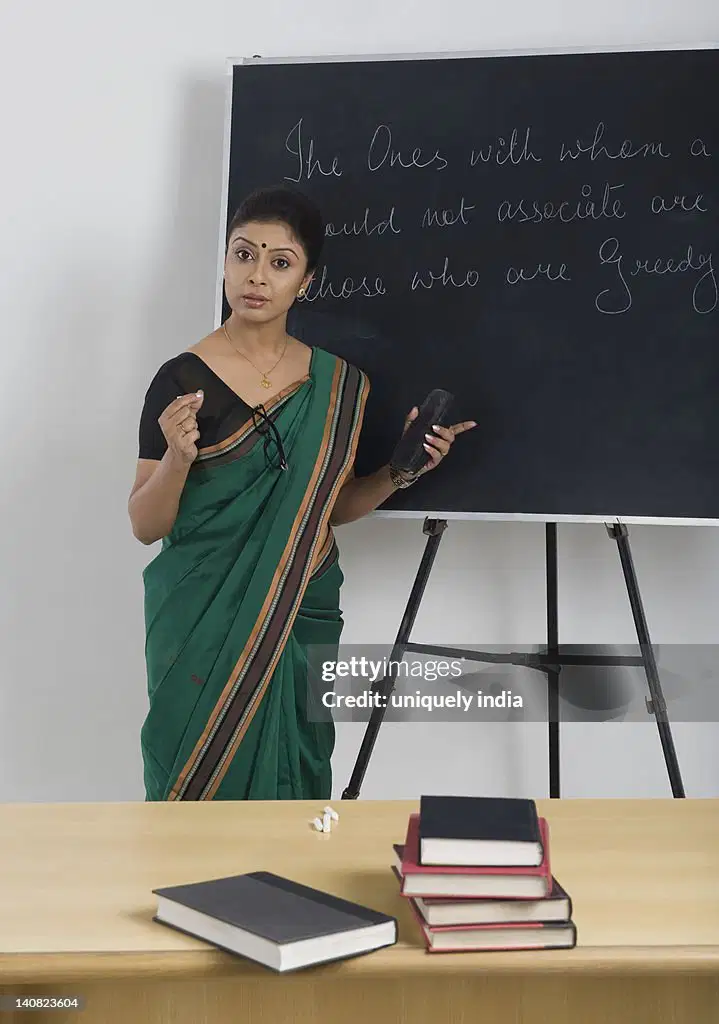
The female teacher
la profesora
una profesora
el profesor
un profesor

The girls
las chicas
la chica
unas chicas
una chica

The friends
los amigos
unos amigos
un amigo
el amigo

Identify each picture using the definite article. The boy
el chico
la chica
un chico
los chicos

Identify each picture using the indefinite article. A woman
una mujer
un mujer
la mujer
el mujer

A teen
una joven
la joven
una seňora
un joven

Identify each picture using the indefinite article. Some men
unos hombres
un hombre
los hombres
unos mujeres

Identify each picture using the indefinite article. Some schools
unos escuelas
unas escuelas
las escuelas
una escuela
A gentleman
un señor
el señor
los señores
una señora
Give the opposite of the word. Include the article. El hombre
la mujer
la chica
el señor
la escuela
Give the opposite of the word. Include the article. El chico
la chica
una escuela
un señor
una señora
Give the opposite of the word. Include the article. El profesor
la profesora
la mujer
un señor
una profesora
Choose two: word for Mr. and the Abbreviation
señor
Sr.
señora
Sra.
Choose two: The Spanish word and the abbreviation for the word. Mrs.
La señora
Sra.
un señor
Sr.
Choose 2, the Spanish word and the abbreviation for the word. Miss.
la señorita
Srta.
una señora
Sr.

