
 Worksheets
Art History & ACM
Total questions: 25
Worksheet time: 43mins
Which step of A Critical Method involves listing the facts (artist, medium, date, etc.) of an artwork, as well as the elements of art?
¿Qué paso de Un método crítico implica enumerar los hechos (artista, medio, fecha, etc.) de una obra de arte, así como los elementos del arte?
Description
Analysis
Interpretation
Evaluation
Which step of A Critical Method involves identifying how the artist used the principles of design?
¿Qué paso de Un método crítico implica identificar cómo el artista utilizó los principios del diseño?
Description
Analysis
Interpretation
Evaluation
Which step of A Critical Method involves formulating an opinion about the success and importance of the artwork?
¿Qué paso de Un método crítico implica formular una opinión sobre el éxito y la importancia de la obra de arte?
Description
Analysis
Interpretation
Evaluation
Which step of A Critical Method involves finding meaning of an artwork, or determining what the artist is trying to say?
¿Qué paso de Un método crítico implica encontrar el significado de una obra de arte o determinar lo que el artista intenta decir?
Description
Analysis
Interpretation
Evaluation

Which art historical movement challenged traditions of "fine art" by using imagery and mass-produced objects from popular culture?
¿Qué movimiento histórico del arte desafió las tradiciones de las "bellas artes" mediante el uso de imágenes y objetos producidos en masa de la cultura popular?
Pop Art
Realism
Fauvism
Impressionism

Pablo Picasso is typically associated with which art moment that focuses on geometric shapes and contrasting viewpoints?
¿Con qué momento artístico se asocia típicamente Pablo Picasso que se centra en formas geométricas y puntos de vista contrastantes?
Renaissance
Realism
Cubism
Impressionism
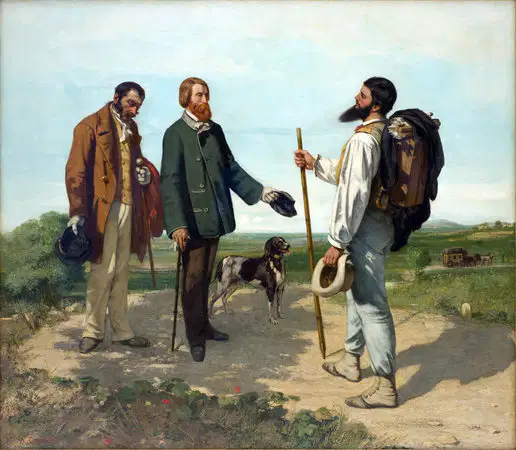
An art historical movement characterized by serious looking subjects performing labor or other ordinary, mundane tasks is known as _____?
¿Un movimiento histórico del arte caracterizado por sujetos de apariencia seria que realizan trabajos u otras tareas ordinarias y mundanas se conoce como _____?
Renaissance
Realism
Cubism
Impressionism
Leonardo da Vinci, Michelangelo, and Raphael are known as the Holy Trinity of which art historical movement?
Leonardo da Vinci, Miguel Ángel y Rafael son conocidos como la Santísima Trinidad ¿de qué movimiento histórico del arte?
Baroque
Renaissance
Cubism
Fauvism

Paintings during the ______ art period often featured religious subjects with strong contrast, deep colors, intricate details, and a sense of drama.
Las pinturas del período artístico ______ a menudo presentaban temas religiosos con fuertes contrastes, colores profundos, detalles intrincados y una sensación de dramatismo.
Baroque
Renaissance
Pop Art
Post-Impressionism

This art historical movement is characterized by small, noticeable brush strokes, no sharp edges, and movement within open compositions.
Este movimiento histórico del arte se caracteriza por pinceladas pequeñas y notables, sin bordes afilados y con movimiento dentro de composiciones abiertas.
Baroque
Renaissance
Pop Art
Post-Impressionism
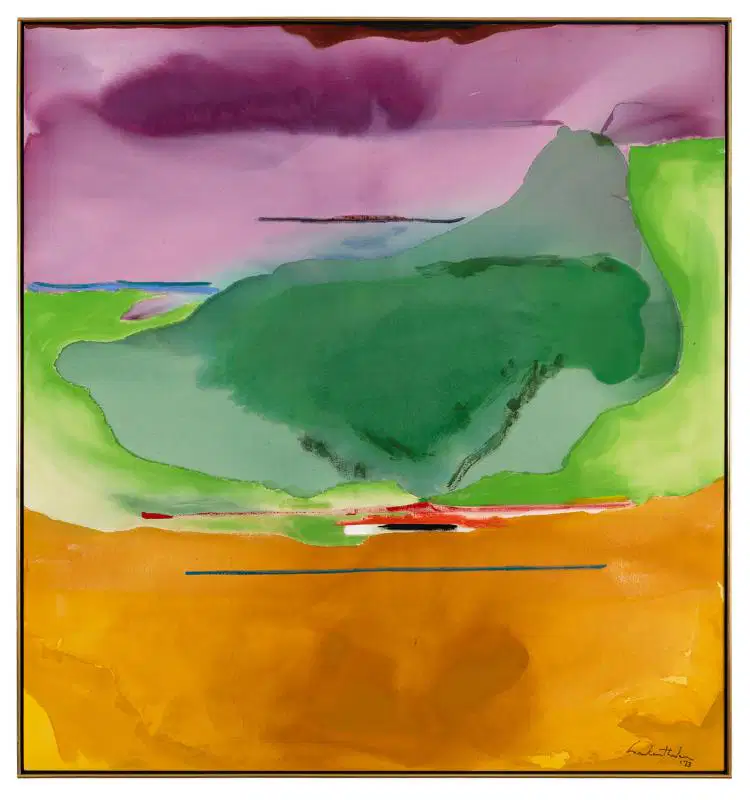
Which art historical movement focuses less on figures and objects, and more on communicating emotions through spontaneous brush work or large fields of color?
¿Qué movimiento histórico del arte se centra menos en figuras y objetos y más en comunicar emociones a través del trabajo espontáneo con pincel o grandes campos de color?
Realism
Abstract Expressionism
Superflat
Post-Impressionism

Which art historical movement is characterized by bold, bright colors, simplified designs, and non-naturalistic subjects?
¿Qué movimiento histórico del arte se caracteriza por colores llamativos y brillantes, diseños simplificados y temas no naturalistas?
Realism
Abstract Expressionism
Superflat
Fauvism
What is the source of an artist’s ideas for a new work of art that does not have any basis in reality?
¿Cuál es la fuente de las ideas de un artista para una nueva obra de arte que no tiene ninguna base en la realidad?
Memory
Representation
Imagination
Direct Observation

What principle of design is dominant in this artwork?
¿Qué principio de diseño es dominante en esta obra de arte?
Color
Pattern
Space
Balance
Which of the following images is the best example of Renaissance Art?
¿Cuál de las siguientes imágenes es el mejor ejemplo del arte renacentista?


Which of the following images is the best example of Fauvism?
¿Cuál de las siguientes imágenes es el mejor ejemplo del fauvismo?


Which of the following images is the best example of Pop Art?
¿Cuál de las siguientes imágenes es el mejor ejemplo de Pop Art?


Which of the following images is the best example of Abstract Expressionism?
¿Cuál de las siguientes imágenes es el mejor ejemplo del expresionismo abstracto?


Which of the following images is the best example of Impressionism?
¿Cuál de las siguientes imágenes es el mejor ejemplo del impresionismo?


Andy Warhol appropriates the Campbell’s soup can in this artwork by —
Andy Warhol se apropia de la lata de sopa Campbell en esta obra de arte de:
portraying it from direct observation (retratarlo a partir de la observación directa)
using a copyrighted logo in a creative way (usar un logotipo con derechos de autor de una manera creativa)
painting a sculpture he created (pintando una escultura que creó)
Which of the following are Principles of Design? Select ALL that apply.
¿Cuáles de los siguientes son principios de diseño? Seleccione todas las que correspondan.
Shape
Pattern
Balance
Color
Unity

In this mandala, the artist uses radial symmetry to create a sense of which principle of design?
En este mandala, el artista usa simetría radial para crear una idea de qué principio de diseño.
Balance (Equilibrio)
Contrast
Texture

Which type of perspective is seen in this famous Renaissance piece by Michelangelo?
¿Qué tipo de perspectiva se ve en esta famosa pieza renacentista de Miguel Ángel?
one-point
two-point
three-point

The contrasting viewpoints and the fragmented, geometric shapes in this artwork can best be described as which artistic style?
Los puntos de vista contrastantes y las formas geométricas fragmentadas en esta obra de arte se pueden describir mejor como ¿qué estilo artístico?
Renaissance
Cubism
Pop Art
The materials or method an artist uses to create a work of art, such as a pencils, paint, or clay is known as:
Los materiales o métodos que utiliza un artista para crear una obra de arte, como lápices, pintura o arcilla, se conocen como:
sketch
media/medium
technique

