
 Worksheets
Science Term 2 Reviewer 1: Human Body
Total questions: 107
Worksheet time: 56mins
It is the primary organ responsible for the sense of hearing that allows you to perceive sounds in the surroundings.
Ear
Pinna
Cochlea
Ossicles
The outer ear is also called the _______ or _______.
Auditory or nerves
Cochlea and Ear drum
Pinna or Auricle
Ear canal or vibration
The Pinna directs the vibrations inside the ____ to the eardrum.
Ossicles
Ear Canal
Cochlea
Inner Ear
It is the thin piece of skin that vibrates when sound enters the ear caught by the auricle.
Eardrum
Ear Canal
Ossicles
auricle
It vibrates to deliver sound to the inner ear.
Eardrum
Ear Canal
Ossicles
Auricle
The spiral tube filled with liquid that moves like a wave when the ossicles vibrates.
Auditory nerves
Cochlea
Eardrum
Ear Canal
The cochlea works with the brain using _________ turning vibrations into sound.
Auditory nerves
Cochlea
Eardrum
Ear Canal
It is made up of the tiniest and most delicate bones in the body
Eardrum
Ear Canal
Ossicles
Auricle
A pathway where vibrations are lead to the eardrum in the middle ear.
Eardrum
Ear Canal
Ossicles
Auricle
Works with the brain using auditory nerves turning vibrations into sound.
Auricle
Middle Ear
Inner Ear
Cochlea
It is the part of the ear where the auditory nerves are found.
Auricle
Cochlea
Outer Ear
Middle ear
Part of the middle ear that includes the hammer, anvil and stirrup.
Outer Ear
Middle Ear
Inner Ear
Ossicles
It is also called the pinna.
Auricle
Inner Ear
Ossicles
Eardrum
It is the part of the ear where you can find the eardrum.
Outer Ear
Middle ear
Inner Ear
Cochlea
Sounds which are really vibrations in the air, enter the ear and are collected by the_____.
Ossicles
Ear Canal
Pinna/Auricle
Cochlea
Encloses the eye and protects it from injury
Eye socket
Eyelid
Sclera
Cornea
It protects the visible parts of the eye and keeps it clean and moist by blinking.
Retina
Eyelid
Iris
Lens
It is the connective tissue that forms the “white” of the eye.
Pupil
Lens
Sclera
Cornea
The eye’s outermost lens; controls and focuses the entry of light
Eye socket
Eyelid
Cornea
Sclera
Center of the eye; lets light enter the eye
Iris
Lens
Pupil
Retina
Colored part of the eye; regulates the amount of light that enters the eye
Cornea
Pupil
Iris
Eye Socket
Helps to concentrate the light and images on retina.
Lens
Retina
Eye Socket
Eyelid
Brings light rays to the back of the eyeball and sands the images you see to your brain through optic nerves.
Lens
Eyelid
Retina
Iris
What part of the eye functions as a protective window?
Iris
Cornea
Pupil
Eyelid
Regulates the amount of light entering the eye and gives the eye its color.
Iris
Cornea
Pupil
Eyelid
This is where the image is formed.
Retina
Eye socket
Lens
eyelid
The eyeball’s outer coat is known as________.
Iris
Lens
Sclera
cornea
How does the eyelid keeps the eye clean and moist?
Blinking
Passing the light
Cover the eyes
Adjusting its size
You breathe through your_________.
Nasal cavity
Nostrils
Nasal hair
septum
The air passes through the nasal passage and _________ prevents dust from entering.
Nasal Cavity
Nasal Hair
Nasal passage
Olfactory Bulb
The _______ separates the Nasal Passage from the nostrils.
Septum
Olfactory bulb
Cilia
palate
Inside the ______ are tiny hairs called cilia can be found.
Nasal Cavity
Nasal Hair
Nasal Passage
Palate
The air passes through the ___________and nasal hair prevents dust from entering.
Nasal Cavity
Nasal Hair
Nasal Passage
Olfactory Bulb
The Nasal Cavity is separated from the mouth by the __________.
Septum
Cilia
Palate
Olfactory bulb
The tiny hairs inside the nasal cavity are called.
Septum
Cilia
Palate
Olfactory bulb
The __________ is made of millions of cells that work together with the brain to allow you to describe what you smell.
Septum
Cilia
Palate
Olfactory Bulb
It moistens air that enters through the nose.
Olfactory Bulb
Mucous Membrane
Palate
Cilia
It is a flexible muscle which allows you to taste food with the help of your sense of smell.
Eyes
Nose
Ears
Tongue
Tiny sensitive organs on top of your tongue.
Taste buds
Tasty
Tasteless
Tongue
These are little bumps that send signals to the brain whenever you eat or drink anything.
Taste buds
Tasty
Tasteless
Tongue
What part of the tongue allows you to experience the five taste sensation?
Iris
Bumps
Papillae
Taste Buds
Which of the following taste sensations is produced when the food contains salt?
Umami
Saltiness
Bitterness
Sweetness
Which of the following taste sensations is produced when the food contains acids?
Umami
Sourness
Bitterness
Sweetness
What is the other term for umami?
Sweet Taste
Loving Taste
Savory Taste
Pungent Taste
Is the largest organ and an outer tissue that covers the human body.
Nose
Skin
Ears
Tongue
Is the outer layer of the skin
Epidermis
Dermis
Subcutaneous Layer
Skin
The deepest part of the epidermis contains ______, well known for their role in skin pigmentation or coloring of the skin.
Epidermis
Dermis
Subcutaneous Layer
Melanocytes
Is the inner layer of the skin below the epidermis.
Epidermis
Dermis
Subcutaneous Layer
Sweat Glands
Responsible to send a message to the brain when the skin feel sensations such as hot, cold, and pressure.
Nerve Endings
Sebaceous Gland
Blood Vessels
Sweat Gland
This gland secretes oil to the surface of the skin.
Sebaceous Gland
Sweat Gland
Eccrine Gland
Apocrine Gland
It is responsible in allowing blood to pass through to carry nutrients to the skin and regulating the body temperature.
Melanocytes
Nerve Endings
Blood Vessels
Follicle
It is the secretory skin glands.
Sebaceous Gland
Sweat Gland
Subcutaneous Layer
Epidermis
Sweat Glands that regulate body temperature by producing sweat.
Sweat Gland
Eccrine Sweat Gland
Apocrine Sweat Gland
Sebaceous Gland
Sweat Glands that continuously secret a fatty sweat.
Sweat Gland
Eccrine Sweat Gland
Apocrine Sweat Gland
Sebaceous Gland
Also known as hypodermis that helps maintain the body’s temperature when in a cold environment and absorbs shock when you bump into something.
Subcutaneous Layer
Epidermis
Dermis
Follicle
It is found in the subcutaneous layer where each strand of hair grows from.
Epidermis
Dermis
Melanocytes
Follicle
Sound enters the nose and the turns them into something our brain can understand.
TRUE
FALSE
Sounds which are really VIBRATIONS in the air, enter the ear and are collected by the pinna.
TRUE
FALSE
Your ears are used to hear the different sounds in your surroundings.
TRUE
FALSE
The middle ear works with the brain using auditory nerves turning vibrations into sound.
TRUE
FALSE
Inner ear is the part of the ear where you can find the eardrum.
TRUE
FALSE
Cochlea is the part of the ear where the auditory nerves are found.
TRUE
FALSE
Pinna is also called Auricle.
TRUE
FALSE
Ossicles is the part of the middle ear that includes the hammer, anvil and stirrup.
TRUE
FALSE
Sounds which are really vibrations in the air, enter the ear and are collected by the brain
TRUE
FALSE
Ossicle is a pathway where vibrations are lead to the eardrum in the middle ear.
TRUE
FALSE
The retina sends images to the brain through optic nerves.
TRUE
FALSE
The iris is the colored part of the eye.
TRUE
FALSE
The eyes are the sense organ for smelling.
TRUE
FALSE
The cornea is the white colored part of the eye.
TRUE
FALSE
Light is needed to see.
TRUE
FALSE
The main function of the dermis is to defend the body from stress and strain.
TRUE
FALSE
Dermis gives a sense of touch known as elasticity and consists of nerve endings, sebaceous glands, blood vessels and sweat glands.
TRUE
FALSE
What are the three (3) major parts of the human ear?
Outer ear
Middle ear
Inner ear
Ear
What are the Parts of the Eye?
Eye Socket
Eyelids
Sclera
Cornea
Pupil
What are the Parts of the Eye?
Iris
Lens
Retina
Outer Ear
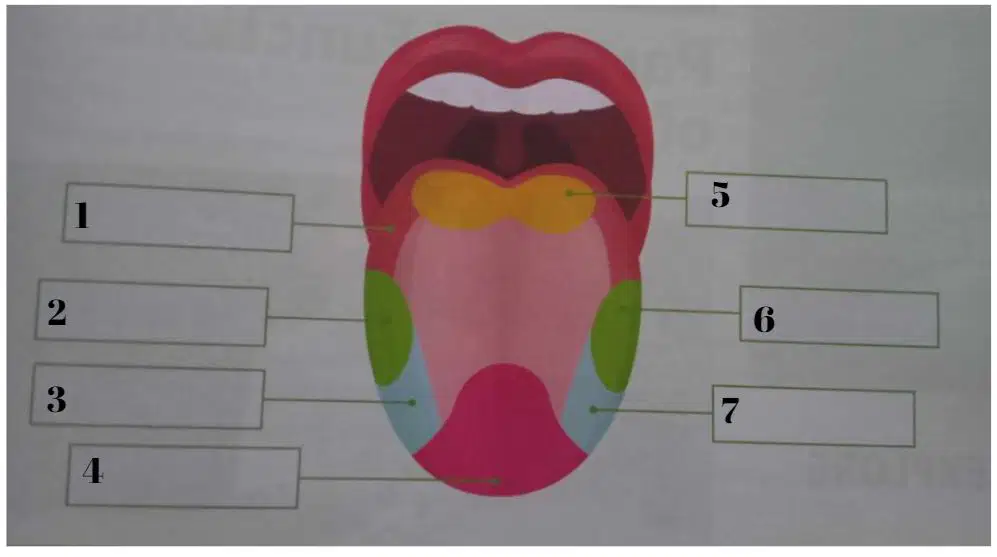
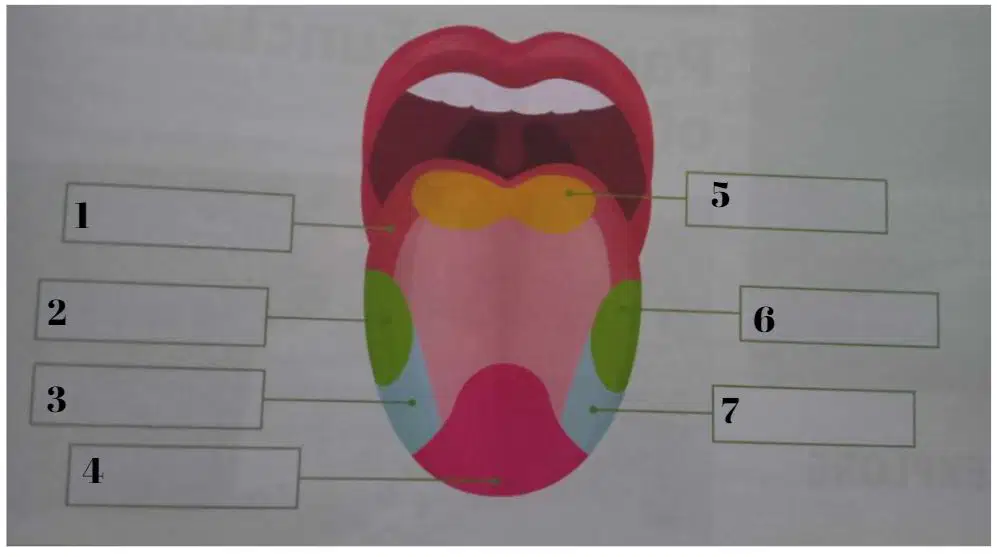
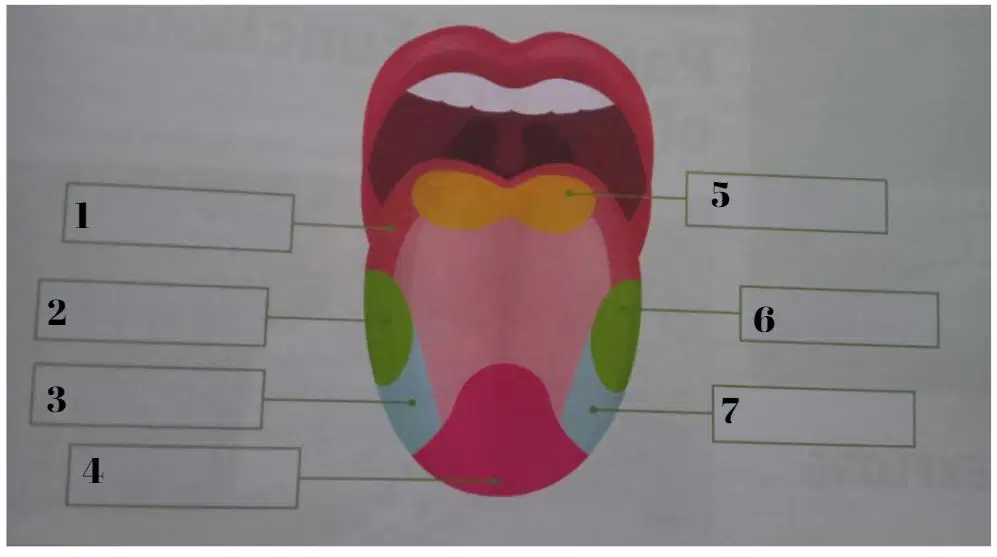
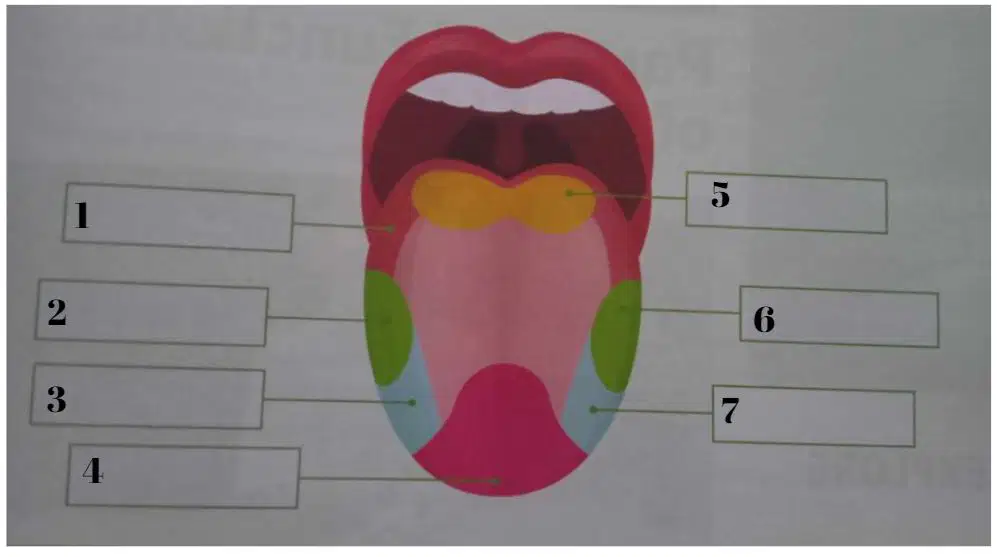
What are the Parts of the Tongue Responsible for the taste?
Bitter
Sour
Salty
Sweet
Umami
What are the three(3) layers that make up a skin
Epidermis
Dermis
Subcutaneous layer
Sweat Glands
What are the two (2) types of Sweat Glands
Eccrine Sweat Gland
Apocrine Sweat Gland
Sebaceous Gland
Sweat Gland
What are the three (3) main functions of the skin
Protection
Regulation
Sensation
Blood Vessel
What are the parts of the Dermis
Nerve Endings
Sebaceous Gland
Blood Vessel
Sweat Gland
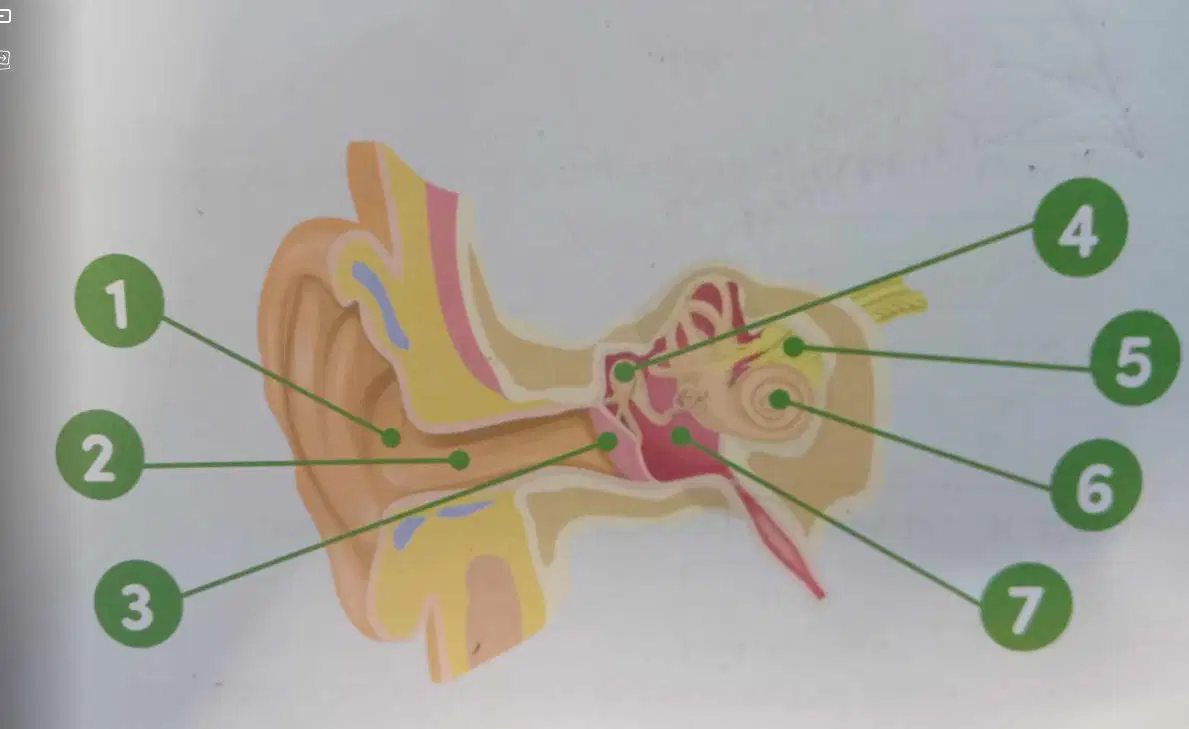
1
Pinna
Ear Canal
Ear Drum
Ossicles
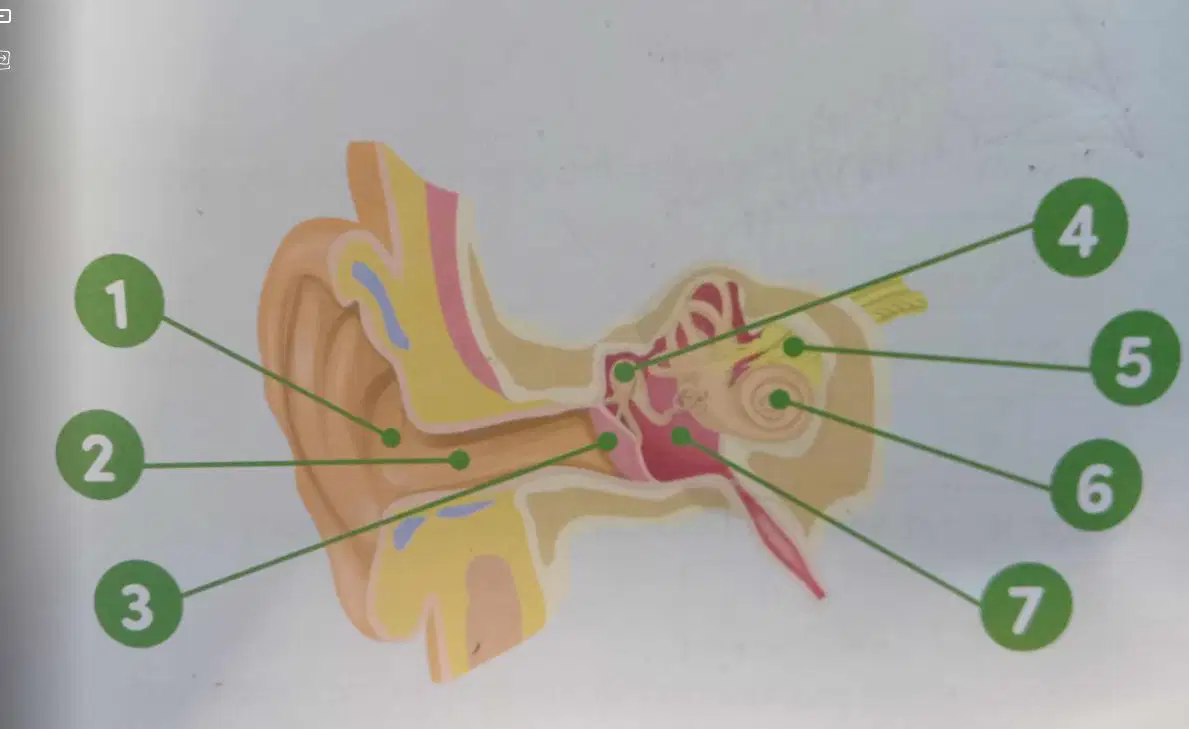
2
Pinna
Ear Canal
Ear Drum
Cochlea
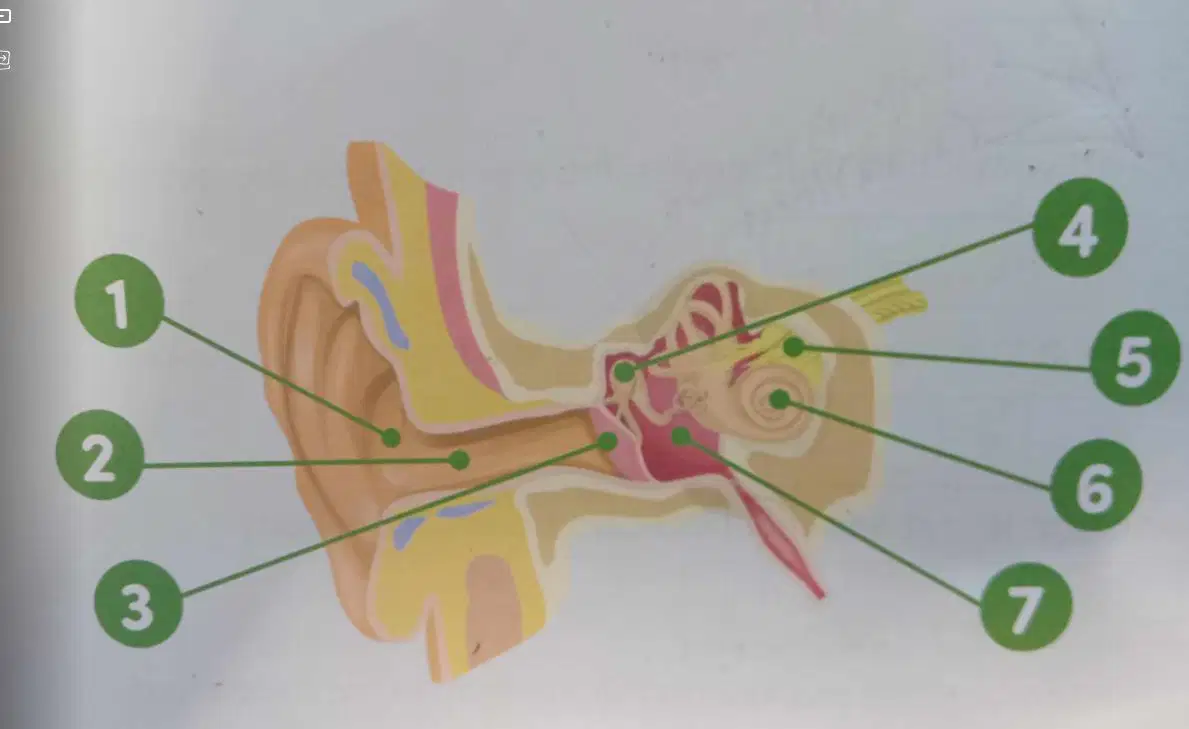
3
Ear Drum
Ossicles
Auditory Nerves
Cochlea

4
Ossicles
Auditory Nerves
Cochles
Inner Ear

5
Auditory Nerves
Cochlea
Inner Ear
Pinna
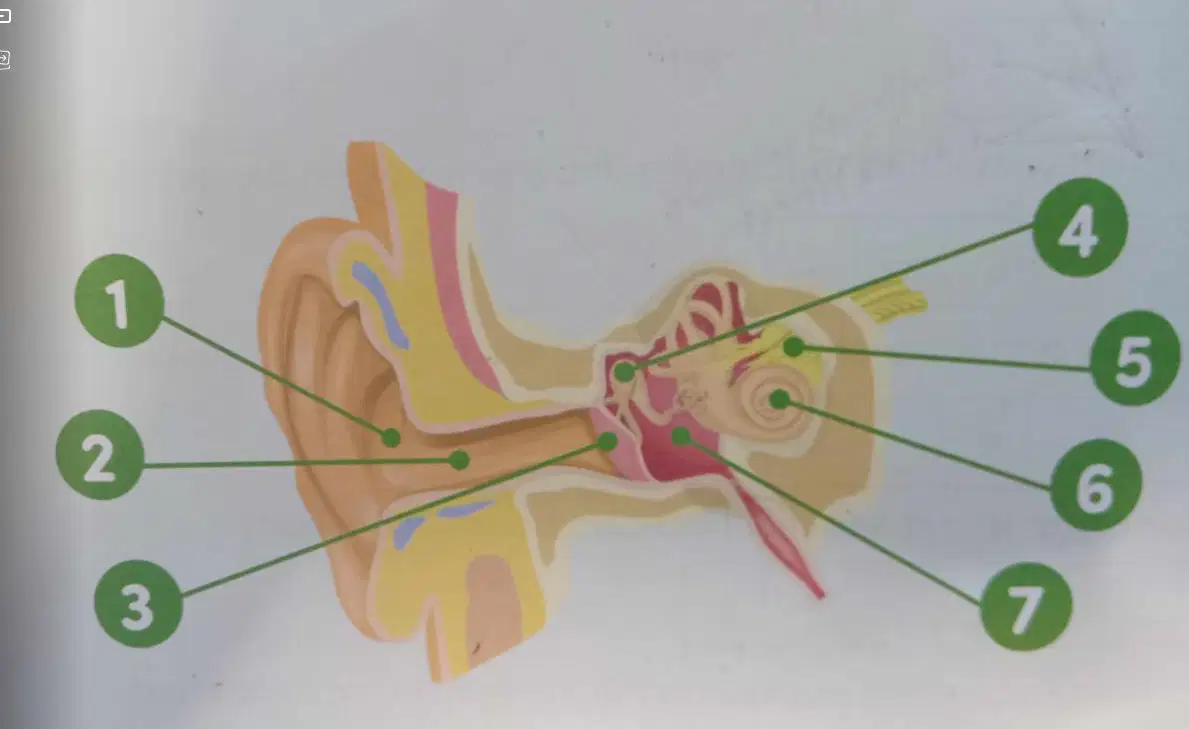
6
Cochlea
Inner Ear
Pinna
Ear Canal
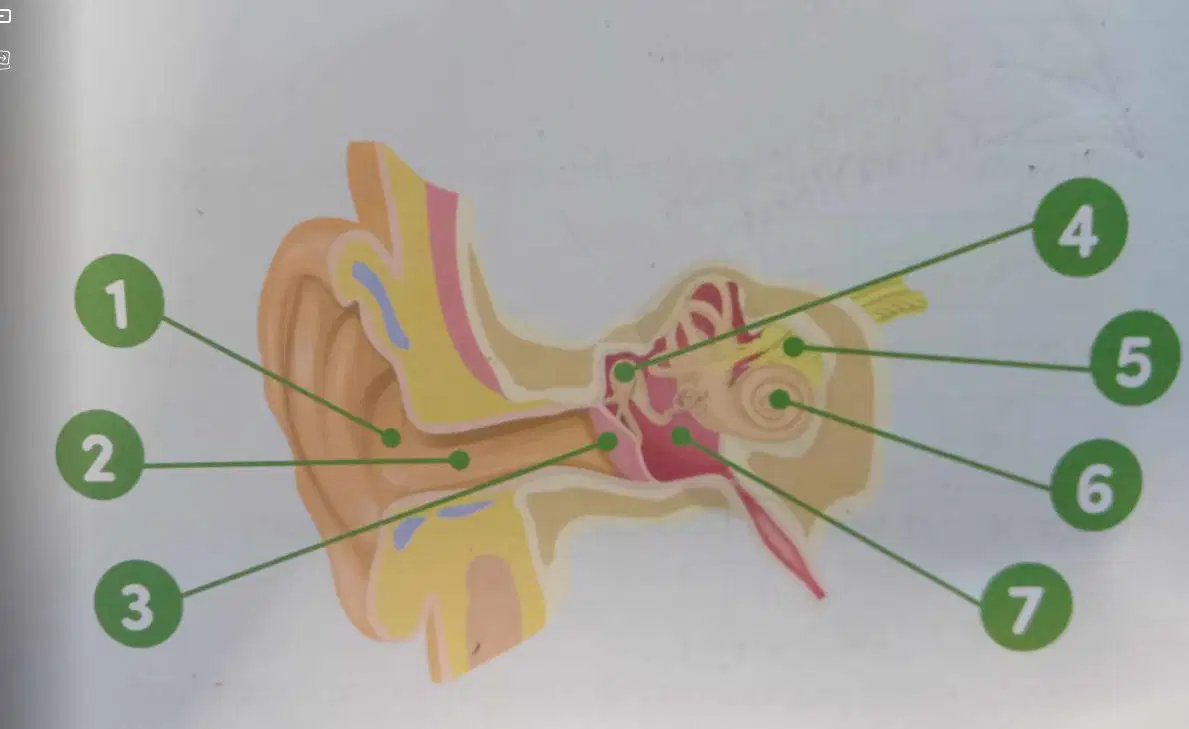
7
Pinna
Cochlea
Ossicles
Inner Ear
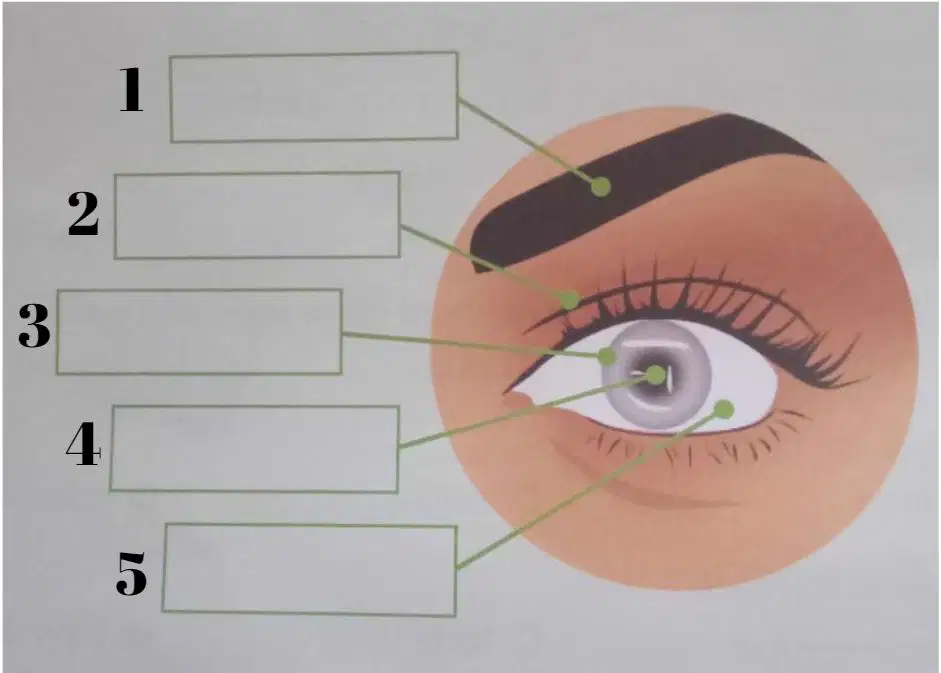
1
Eyebrow
Eye socket
Iris
Pupil
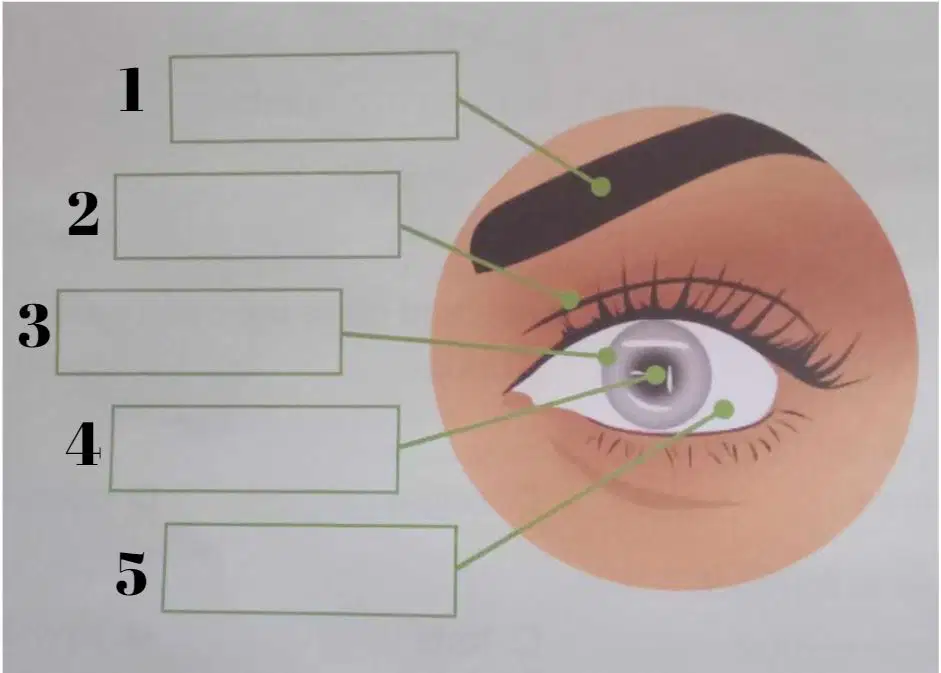
2
Eyebrow
Eye Socket
Iris
Sclera
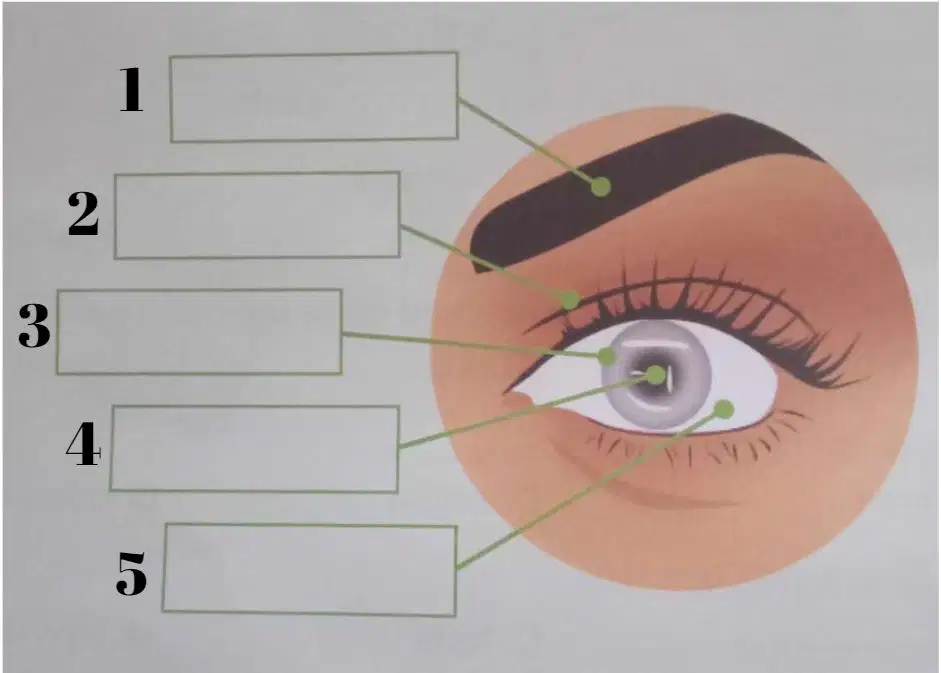
3
Eyebrow
Eye Socket
Iris
Sclera
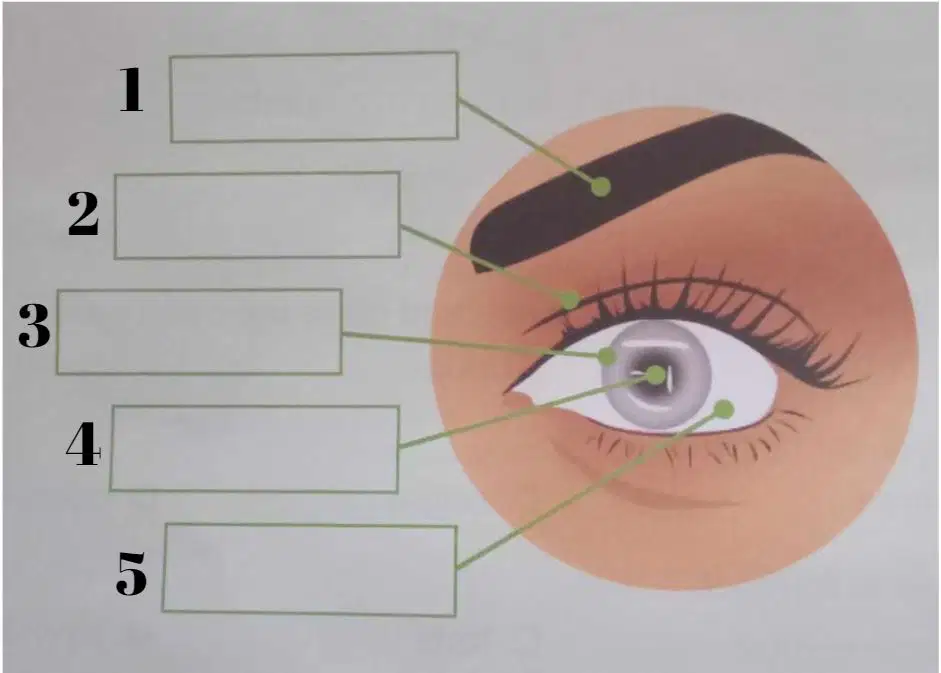
4
Sclera
Iris
Pupil
Eyebrow
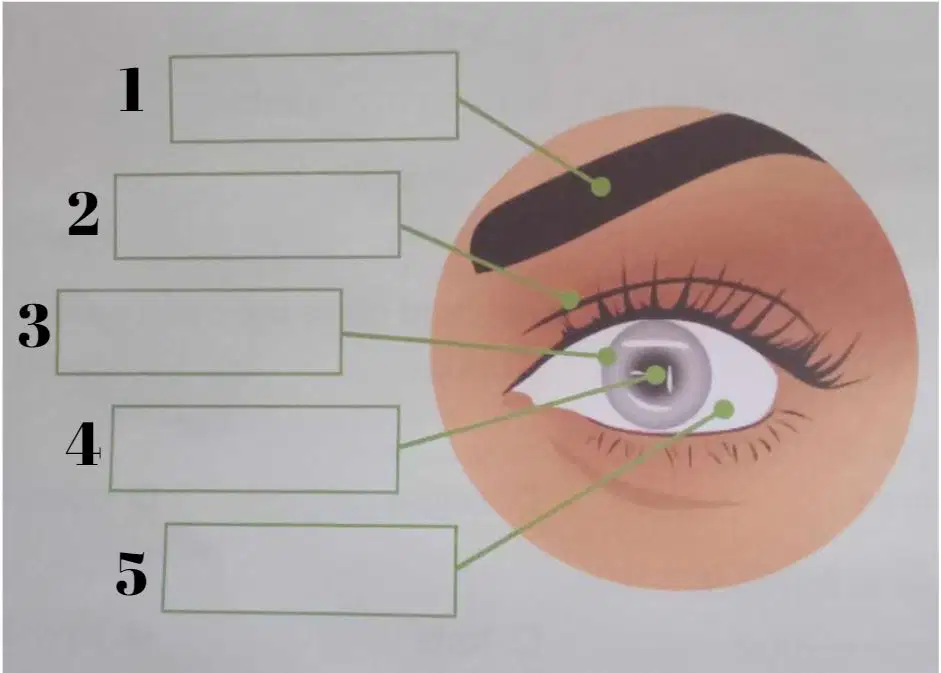
5
Sclera
Pupil
Iris
Eye Socket
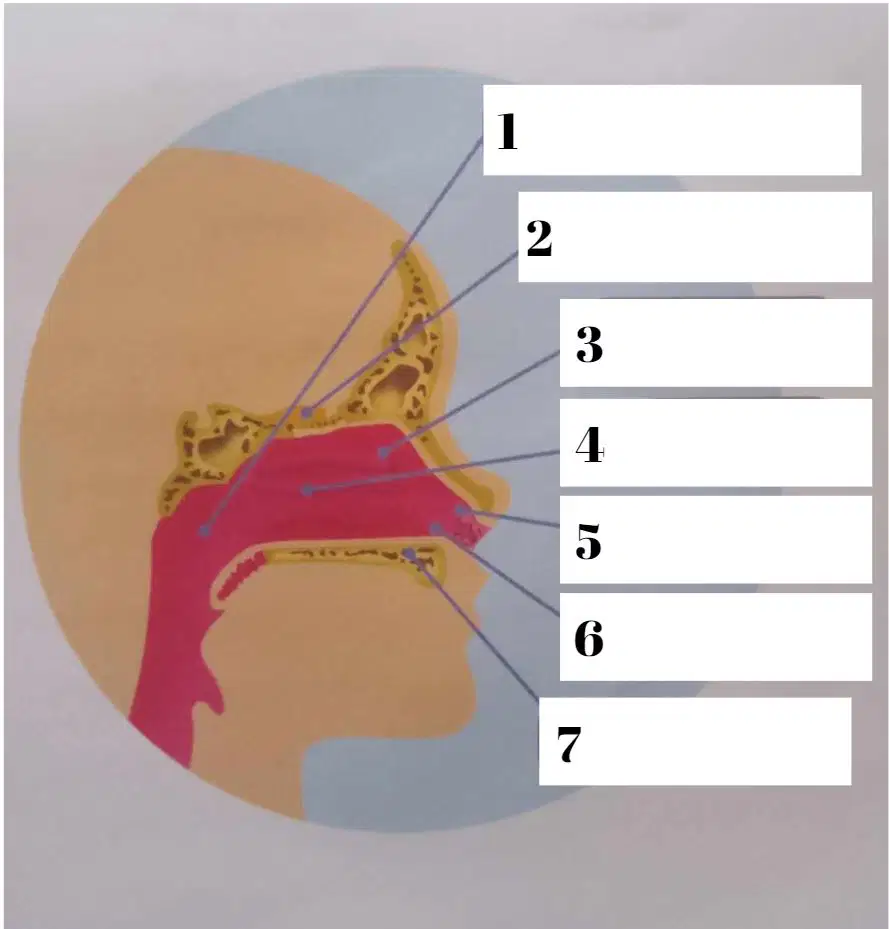
1
Nasal Passage
Olfactory Bulb
Nasal Cavity
Septum

2
Nasal Passage
Olfactory Bulb
Nasal Cavity
Septum
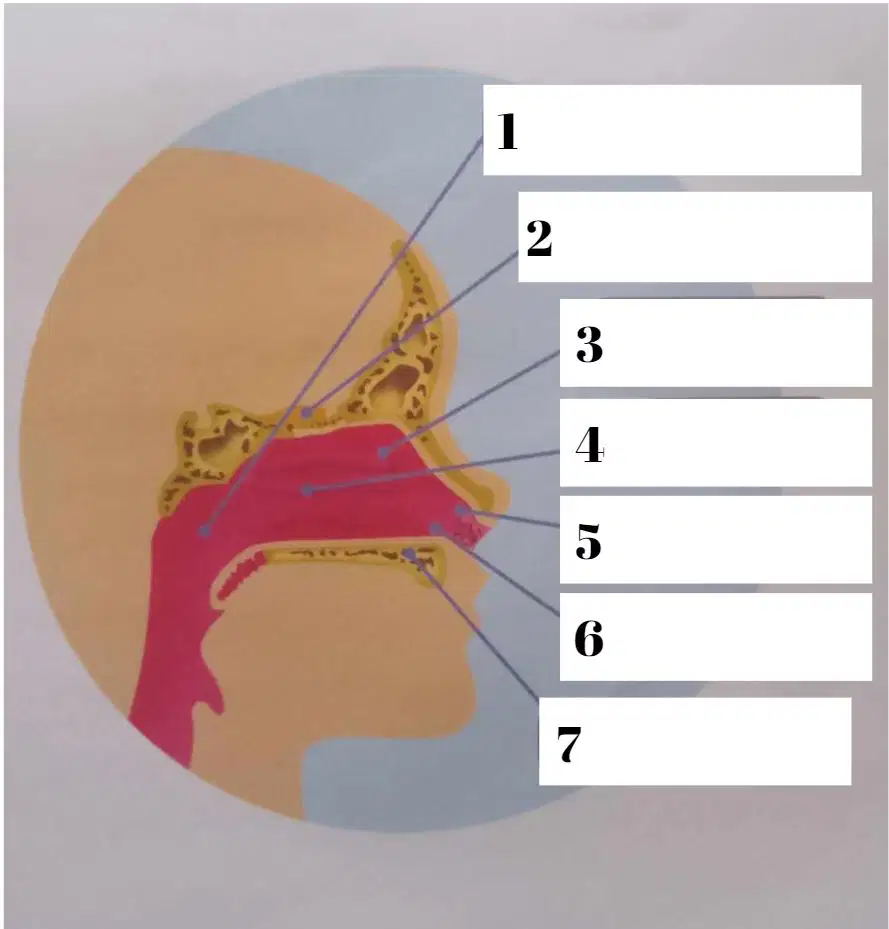
3
Nasal Passage
Olfactory Bulb
Nasal Cavity
Septum

4
Nasal Passage
Olfactory Bulb
Nasal Cavity
Septum
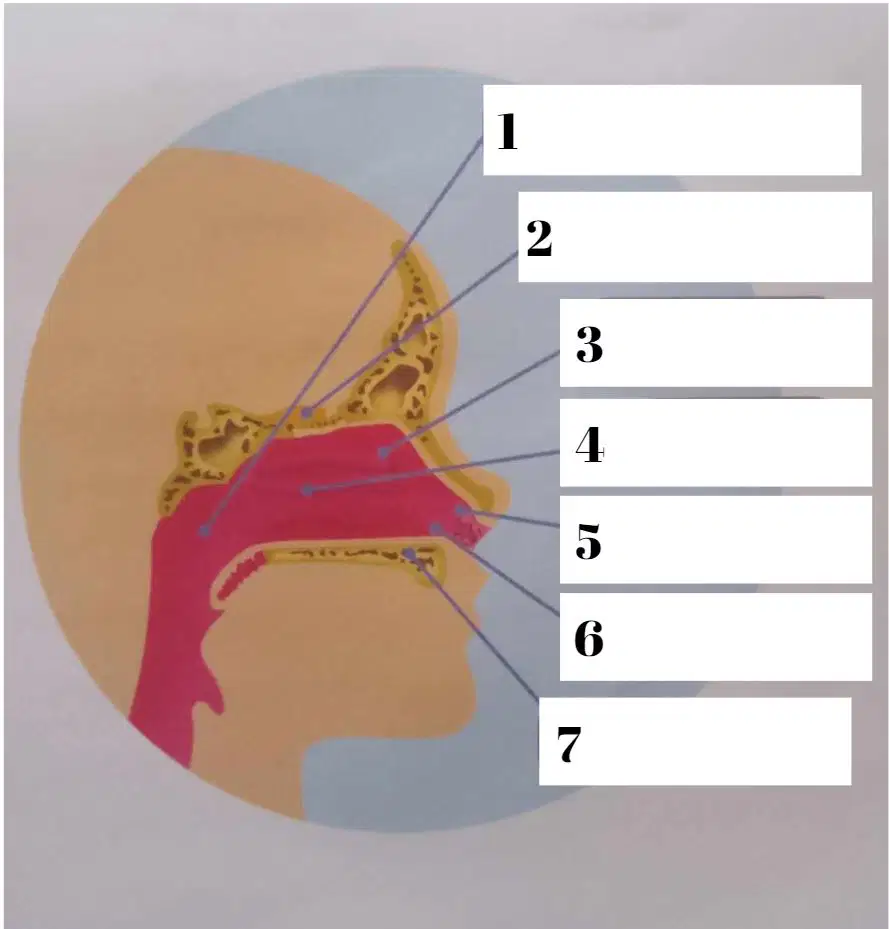
5
Olfactory Bulb
Nasal Cavity
Septum
Cilia
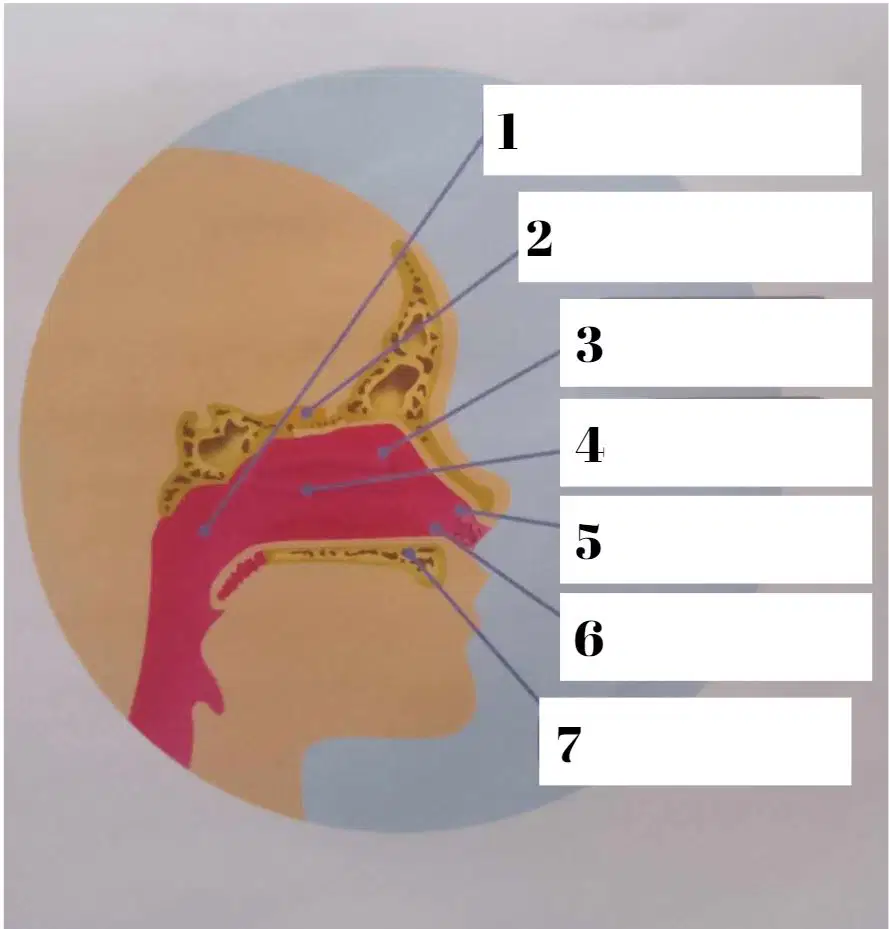
6
Nasal Cavity
Septum
Cilia
Nostrils

7
Septum
Cilia
Nostrils
Palate
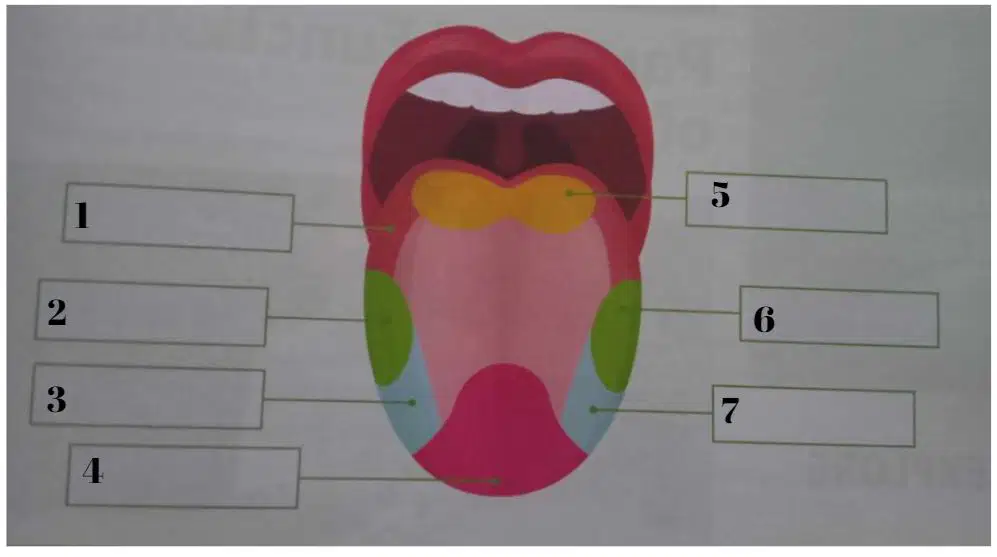
1
Umami
Sour
Salty
Sweet
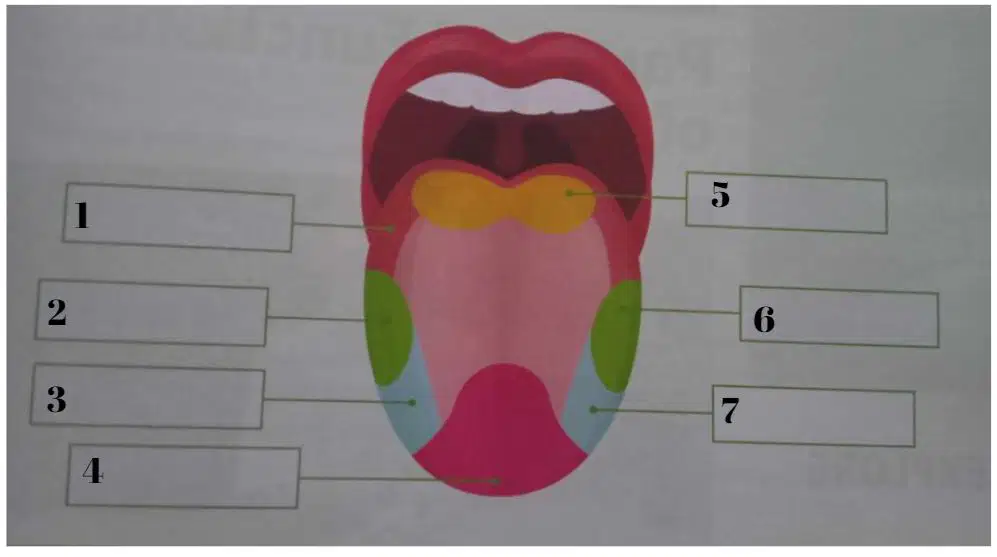
2
Umami
Sour
Salty
Sweet
3
Umami
Sour
Salty
Sweet
4
Umami
Sour
Salty
Sweet
5
Sweet
Bitter
Sour
Salty
6
Sweet
Bitter
Sour
Salty
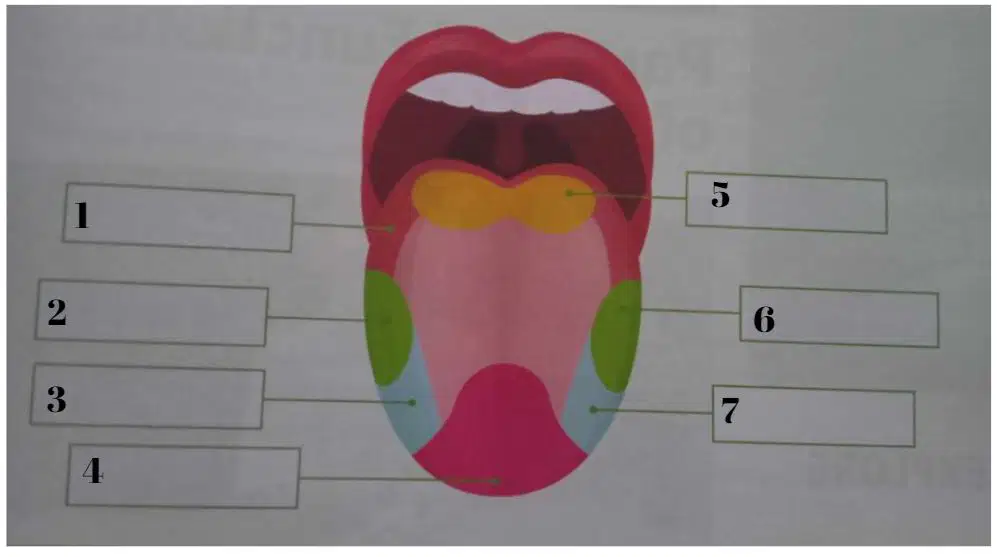
7
Sweet
Bitter
Sour
Salty

