
 Worksheets
Biomolecules Practice Quiz
Total questions: 38
Worksheet time: 2hrs 20mins
A monosaccharide is the monomer for which biomolecule:
Lipid
Carbohydrate
Nucleic Acid
Protein
Select all the biomolecules in a slice of pepperoni pizza
nucleic acid (DNA)
protein
carbohydrate
lipid
A banana is an example of which biomolecule
carbohydrate
lipid
protein
nucleic acid

protein

nucleic acid

carbohydrate

lipid
Select the biomolecules that contain the elements C,H,O
Lipid
Protein
Carbohydrate
Nucleic acid
C,H,O,N,P are the elements in
Nucleic acid
Protein
Carbohydrate
Lipid
Which biomolecules contain the element Nitrogen?
Carb
Protein
Lipid
Nucleic acids
Carbs and lipids are similar because they...
Are a source of energy for living organisms
Help with immune response
build structures such as cellulose and chitin
Contain the same elements (CHO)
Match the following functions to the biomolecule
Act as hormones
Lipid
Build muscle
Protein
Carry genetic information
Nucleic acid
Energy source (cellular respiration)
Carbohydrate
Which organic molecule would a long-distance runner most likely choose to eat two hours before a race?
A protein, because it builds muscle mass.
A lipid because it provides long term energy storage.
A carbohydrate because it releases energy quickly.
A protein, because it transports oxygen into the blood stream.
Which biomolecules transport oxygen and other substances and also form part of most organelles?
Lipids
Carbohydrates
Proteins
Nucleic Acids
Your friend is feeling irritable, lightheaded and dizzy. They are also feeling a bit of confusion and brain fog. Which biomolecule would you recommend your friend consume?
Protein
Carbohydrates
Nucleic Acid
Lipid
Which biomolecules contains your genetic information?
Proteins
Lipids
Carbohydrates
Nucleic Acids
Amino Acids are the monomers of __________.
Nucleic Acids
Proteins
Carbohydrates
Lipids
Which biomolecules act as energy storage for the cell and also cushions and insulates organs?
Carbohyrdates
Lipids
Proteins
Nucleic Acids
The monomer of Nucleic Acids is known as _________.
Amino Acid
Fatty Acid
Nucleotide
Saccharide
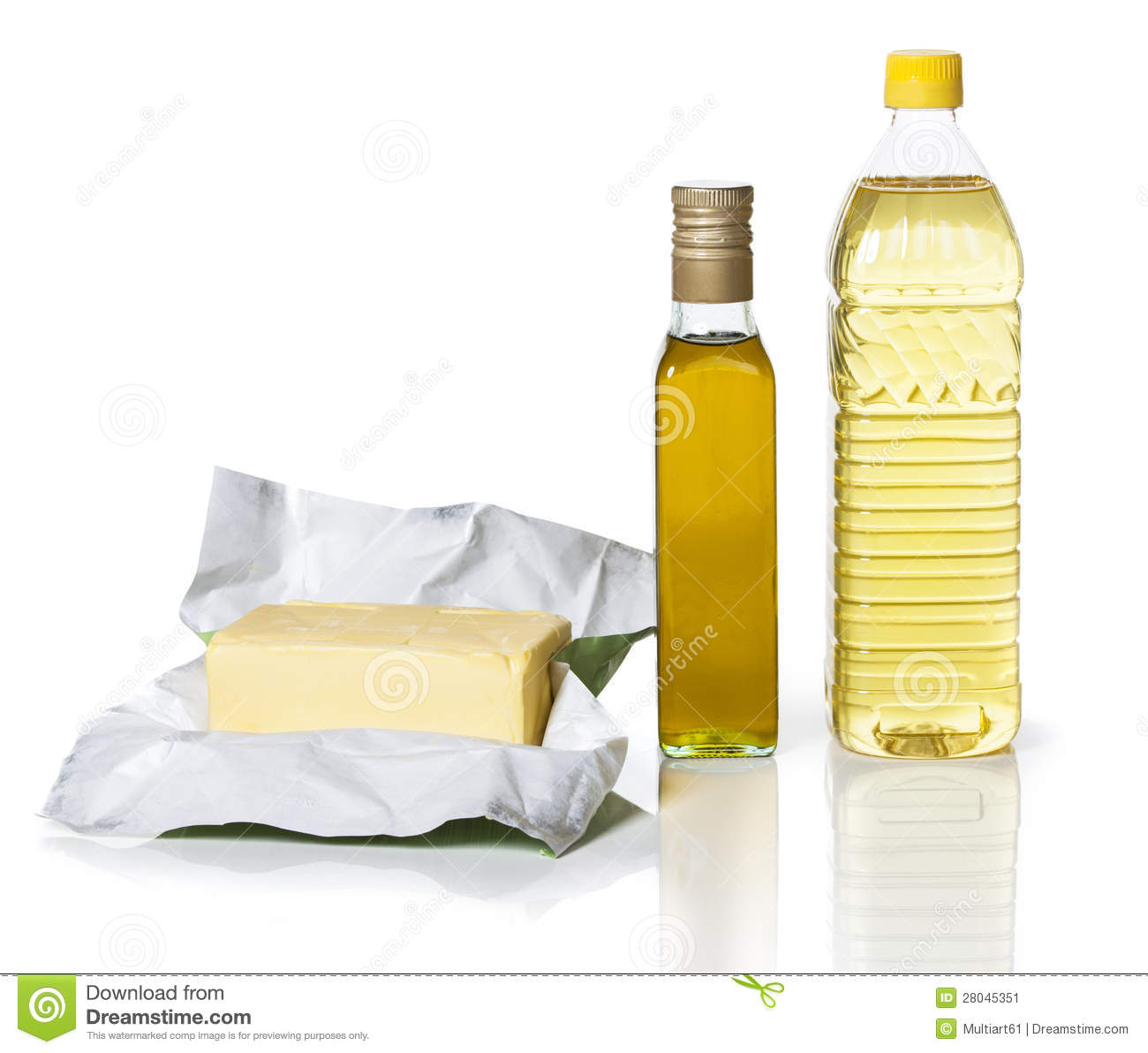
Which of the following contains the most lipid?


The biomolecule that holds an organism's genetic information is called ___________.
carbohydrate
lipid
nucleic acid
protein
Which of the following is the correct pair of biomolecules and their monomers?
Carbohydrate: Fatty Acids
Protein: Amino acid
Lipid: Nucleotide
Nucleic Acid: DNA

The following statements are TRUE regarding lipids, EXCEPT:
they store energy for later use
they are insoluble in water
they are composed of carbon, hydrogen, oxygen and phosphorus
they can be found in fats and oils
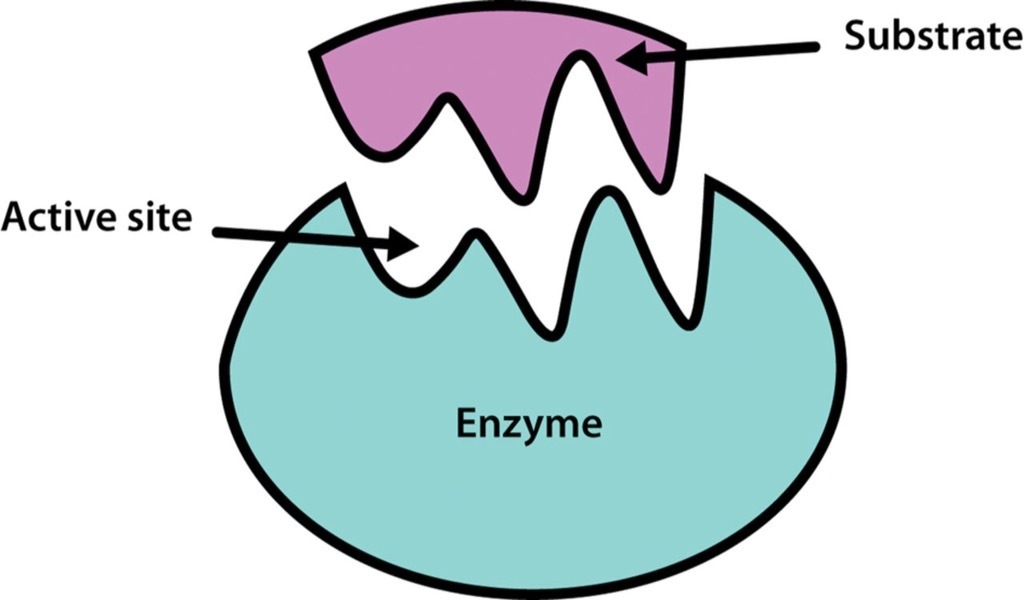
Enzyme is a/an...
carbohydrate
lipid
protein
nucleic acid
Just under an orca's skin lies a thick layer of blubber. Blubber helps insulate a whale from heat loss. Based on this information, which biomolecule is blubber primarily made of?
Lipids
Nucleic Acids
Proteins
Carbohydrates
Which triglyceride is solid at room temperature?
Unsaturated
Saturated
Amino Acids
Nucleotide
How do animals store complex sugars?
In the form of glycogen
In the form of cellulose
In the form of chitin
None of the above
Which of the following is a complex polysaccharide?
Starch
Glucose
Glycerol
Phosphate
What biomolecule is responsible for immune support such as antibodies?
Nucleic Acid
Lipid
Protein
Carbohydrate

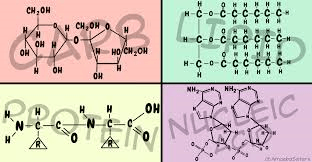
Identify the biomolecule
Carbohydrate
Lipid
Protein
Nucleic Acid

Which biomolecule is the primary component of cell membranes?
Protein
Carbohydrate
Lipid
Nucleic acid
Which biomolecule helps form muscles?
Nucleic Acid
Carbohydrate
Protein
Lipids
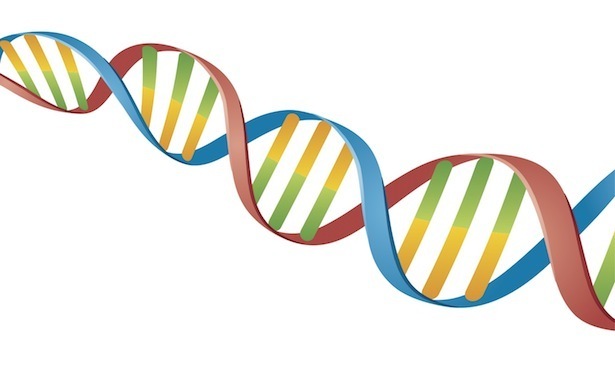
Which biomolecule is made of nucleotides and contains your DNA?
Carbohydrate
Lipids
Protein
Nucleic Acid

Which biomolecule includes RNA as an example?
Protein
Lipid
Nucleic Acid
Carbohydrate
Which element is found in only proteins and nucleic acids?
Nitrogen
Hydrogen
Helium
Oxygen

