
 Worksheets
Intro to Environmental Science Study Guide
Total questions: 16
Worksheet time: 12mins
Match the Definitions with the correct word/phrase
All living and nonliving things that humans interact with.
Environment
The actions of people and governments have unexpected effects.
Law of Unintended Consequences
A shared resource or area that is not owned by any individual.
Commons
The moral relationship between humans and the environment.
Environmental Ethics
A degradation of the atmosphere that is harmful to living organisms.
Air Pollution
Categorize each of these as a commons (C) or privately owned (P).
International Waters
Groundwater
The Atmosphere
Parking lot of a nearby drug store
Large Soybean Farm
Apartments in a skyscraper
Match the following types of resources and an example.
Inexhaustible
Sunlight
Renewable
Timber (wood)
Nonrenewable
Fossil Fuels
Recyclable
Glass
For each of the public land designations below, list what is permitted and not permitted. National Park National Wildlife Refuge National Forest
These areas are to be kept unaltered from their original state. No fishing, logging, hunting or livestock grazing.
National Park
These areas allow commercial logging and recreational hunting and fishing. Permit required to prevent overexploitation.
National Forest
These areas allow hunting and fishing with a permit, but no commercial activities.
National Wildlife Refuge
Match the definition with the word
Human centered; human interests come first
Anthropocentrism
Nature centered; preserving ecosystems comes first
Ecocentrism
Greatest good of the greatest number in the long run.
Hetch Hetchy Debate
Dam was built
Hetch Hetchy Result
Matching vocabulary
A substance that increases the rate of cancer
Carcinogenic
A degradation of surface or groundwater that is harmful to living organisms.
Water Pollution
The number of different species present in an area.
Biodiversity
A widespread shortage of food in a population.
Famine
Waste substances that are especially dangerous to living organisms.
Hazardous Waste
Place in the correct category
Economically poor
Less educated
Higher fertility rates
Lower standard of living
Lower rates of consumption
Transitioning
Economically wealthy
More educated
Lower fertility rates
Higher standard of living
Higher rates of consumption
What is the principle of Supply and Demand?
Prices go up when supply is high and demand is high
Prices go down when supply is low and demand is low
Prices go up when supply is low and demand is high
Prices go up when supply is high and demand is low
Categorize each statement that would increase/decrease your ecological footprint. .
Driving alone to school.
Printing hard-copies of all emails
Saving digital copies of emails and receipts to an online cloud service.
Carpooling with two other people that live nearby to school.
Eating a vegetable stir-fry for dinner.
Eating steak for dinner.
Keeping your thermostat in the winter set to 72F
Keeping your thermostat in the winter set to 66F
Drinking from a reusable water bottle and the school refill stations.
Drinking from a disposable single-use water bottle.
Organize these options into the right categories by world views
Humans “rule” the Earth
Technology and ingenuity will prevent the loss of resources
Economic potential is unlimited
Human needs come first but we must care for other species too
Conserve resources for future generations when possible
Prefer economic growth that does not harm the environment
Humans are no more important than any other species
Resources are finite; wastes do not “go away”
Our survival depends on sustaining the Earth
Match the following
Explicitly permit or prevent certain actions
Laws
Require payments to discourage certain behaviors or fund other programs
Taxes
Direct payments to reward certain actions
Subsidies
Match the following
The monetary value of the goods and services produced per person per year.
Gross Domestic Product (GDP)
The number of children born to an average woman over her lifetime.
Total Fertility Rate
The number of years an average newborn will live.
Life expectancy
The amount of materials, energy, and services used per person.
Consumption
What changed about human society during the agricultural revolution?
People started shopping in stores
People started farming
Peopled started having jobs
People started going driving tractors.
What technology enabled the beginning of farming?
Tractors
Combines
Irrigation
Fertilizer
What is the Law of Unintended Consequences?
Decisions are permanent
Decisions can be changed
Decisions only affect certain people.
Decisions have unexpected effects
Which of these was an example of carcinogenic materials?
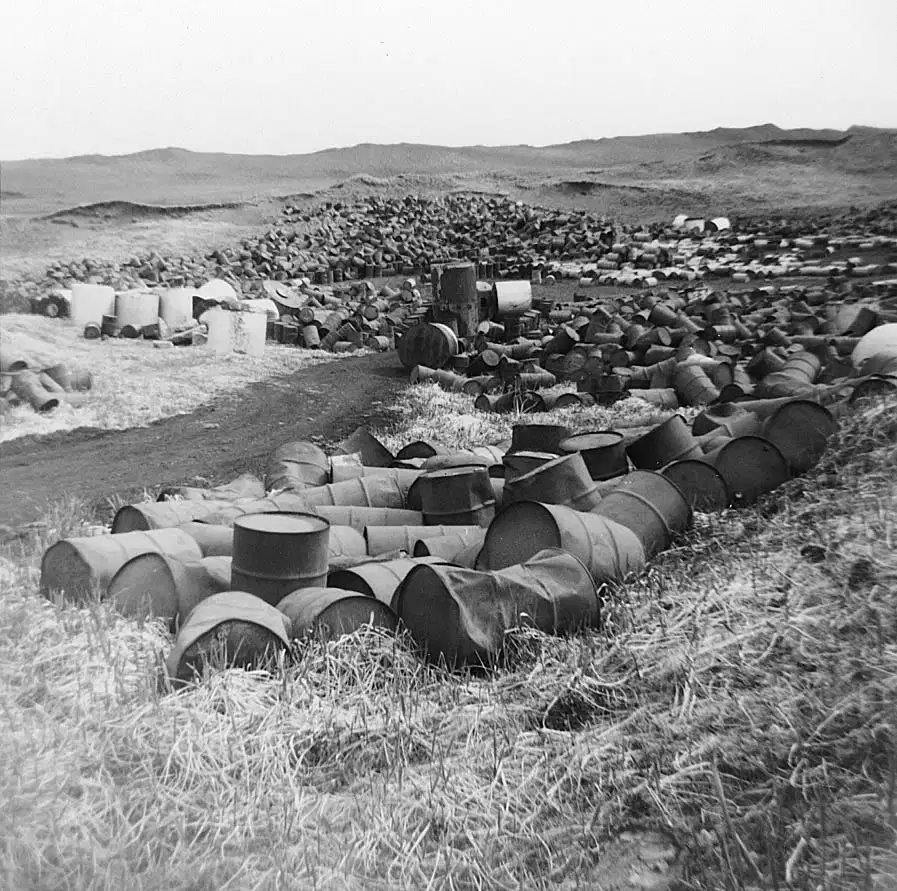
Love Canal, NY

Marshall Islands Atom Bomb testing

DDT used as pesticide


