
 Worksheets
A&P Review - Cell Organelles & Cell Function
Total questions: 265
Worksheet time: 3hrs 21mins
Which organelle is the command center for eukaryotic (plant and animal) cells?
Cell wall
Nucleus
Mitochondria
Lysosome
what is the function of a lysosome?
To create energy for the cell
To command the cell what to do
To remove waste using digestive enzymes from the cell
To protect the cell
What is the purpose of the nucleus?
It is the command center, contains DNA, and cell division
It protects the cell
It stores energy for the cell
It gets rid of waste in the cell
"Post office" of the cell that packages proteins and fats:
ER
Golgi Body
Nucleus
Cytoplasm
"Envelopes" of the cell, used for transporting material:
ER
Golgi Body
Mitochondria
Chloroplast
What does a plant cell have that an animal cell doesn't have?
Cell Membrane and Cell Wall
Cell Wall and Mitochondria
Cell Wall and Nucleus
Cell Wall and Chloroplast
What is the jelly-like substance that keeps the organelles floating?
Cell Membrane
Nucleus
ER
Cytoplasm
What are the "protein-makers" of a cell?
Ribosomes
Mitochondria
ER
Golgi Body

This organelle is used for storing water, waste, and nutrients.
Nucleus
Vacuole
The Golgi apparatus
The mitochondria

This organelle is like the "post office" it collects materials like proteins and stores them in small structures called vesicles until they are ready to be transported out of the cell.
Endoplasmic Reticulum
Vacuole
The Golgi apparatus or golgi bodies

This organelle is found in both plant and animal cells and is called the "powerhouse" of the cell because it turns food into energy. In humans/animals, this is where cellular respiration occurs.
Endoplasmic Reticulum
Vacuole
The mitochondria

This organelle is found inside the nucleus and makes ribosomes for the cell.
Nucleolus
Mitochondria
Vacuoles
This organelle is like a "highway" system because it delivers materials throughout the cell.
Nucleolus
Mitochondria
Endoplasmic Reticulum (ER)
What makes the Rough ER different from the Smooth ER
The rough ER has ribosomes attached to it while the smooth ER doesn't.
The smooth ER has ribosomes attached to it while the rough ER doesn't.
They are not different
All of the following are functions of cells EXCEPT:
Responds to the environment.
Reproduces
Gets rid of waste
Does not need energy
Cell membranes are sometimes called selective because--
cell membranes are usually not found in cells
cell membranes hold the cell together
cell membranes allows all types of substance inside the cell
cell membrane controls what enters and leaves the cell
A cell with few energy needs would most likely contain a small number of ----
Lysosomes
Vacuoles
Mitochondria
Ribosomes
Which statement describes the process of osmosis in an animal cell?
Sugar molecules move across the plasma membrane until the cell has enough energy to grow in size and divide.
Water molecules move across the plasma membrane until solute concentrations are equal on both sides of the membrane.
Ions move across the plasma membrane until the inside of the cell has a higher concentration of positive charges.
Enzymes move across the plasma membrane until the cell has completed metabolism.
Enzymes are proteins that have a three-dimensional shape that is specic to a particular substrate. Environmental conditions can change the shape of the protein.
What is the most likely result if the shape of the enzyme changes?
The substrate will change its shape to match the enzyme.
The enzyme will no longer be able to catalyze the reaction with the substrate.
The products made from the enzyme and the substrate will be changed.
The enzyme will be able to bind to more diverse substrates than before.
Which statements best compare a function of proteins and lipids in a human cell?
Proteins provide energy for cellular processes. Lipids catalyze chemical reactions inside the cell.
Proteins catalyze chemical reactions inside the cell.
Lipids allow for the transport of certain molecules into and out of the cell.
Proteins allow for the transport of certain molecules into and out of the cell. Lipids store genetic information for cells.
Proteins store genetic information for cells. Lipids provide energy for cellular processes.

Based on the data, this enzyme functions best at what temperature and pH? What is the role of an enzyme in a biological reaction?
The enzyme functions best at 37C and a Ph of 6.8. The role of an enzyme is to speed up chemical reactions to lower activation energy.
The enzyme functions best at 50C and a Ph of 10. The role of an enzyme is to lower the chemical reactions to lower activation energy.
The enzyme functions best at 37C and a Ph of 6.8. The role of an enzyme is to lower the chemical reactions to speed up the activation energy.
The enzyme functions best at 10C and a Ph of 2. The role of an enzyme is to speed up chemical reactions to lower activation energy.

Which statement is best supported by the graph?
An enzyme must be composed of multiple polypeptides, or subunits, to be active.
An enzyme’s rate of activity increases with time until it becomes inactive.
An enzyme functions best under specific temperature conditions.
An enzyme works equally well in bacteria that are adapted to high temperatures and in eukaryotic cells such as human cells.
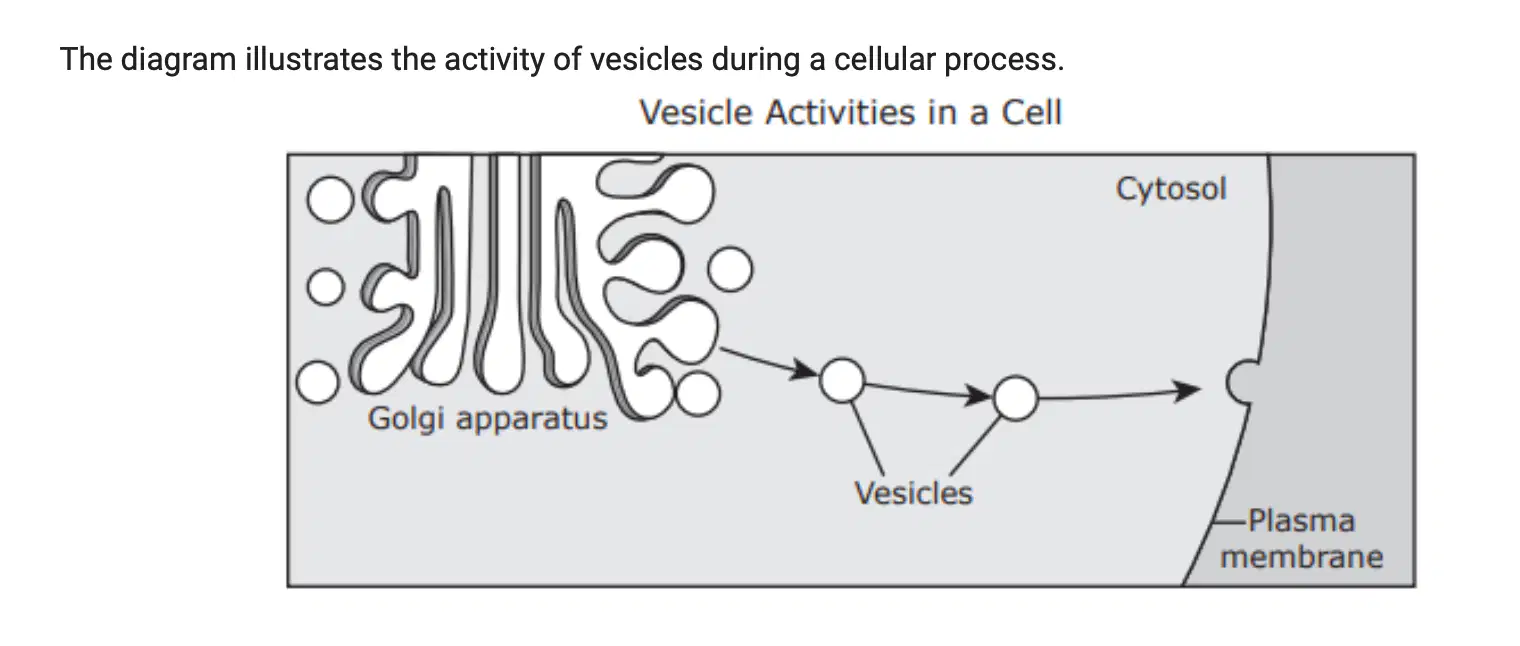
Which statement best explains the function of the vesicles?
Delivering packaged materials to the Golgi apparatus for protein synthesis
Exchanging genetic information between the Golgi apparatuses of separate cells
Extracting portions of the Golgi apparatus to be regenerated for growth within the cell
Transporting packaged molecules from the Golgi apparatus to be released out of the cell
Structures in your cells that have specific functions, like your organs, are called...
cell parts
functionelles
organelles
organs
Which cell organelle is a storage tank for nutrients, water and waste? (Larger in plants)
nucleus
vacuole
ribosomes
mitochondria
Which cell organelle commands cell functions and holds DNA?
nucleus
vacuole
ribosomes
mitochondria
Which cell organelle is the power house of the cell. Turns glucose and oxygen to ENERGY?
nucleus
vacuole
ribosomes
mitochondria
Which cell organelle creates protein. They are found in the Rough ER and cytoplasm.
nucleus
vacuole
ribosomes
mitochondria
These organelles are cleaners that break down large molecules and digest bacteria
ribosomes
golgi bodies/apparatus
endoplasmic reticulum
smooth and rough
lysosomes


Cells carry out the chemical activities of the body
True
False
Which level of organization is in order from smallest to largest?
Cells, organs, tissues, organ systems
cells, tissues, organs, organ systems
Organ system, organs, tissues, cells
Organ system, organs, tissues, atoms

The mitochondria produces this molecule to provide the cell with energy.
ATP
glucose
lipids
amino acids

An important structure in human cells that separates the internal environment from the external environment
cytoskeleton
cell wall
plasma membrane
centrioles

A transportation system within the cell that some of the channels have ribosomes attached and some of the channels do not.
Endoplasmic reticulum
Golgi apparatus
ribosomes
nucleus
The organelle that is often considered the digestive system of the cell because it breaks down old cell structures and foreign substances
Stomach
lysosome
Golgi body
Secretory vesicle
The structure of the cell that houses the electrolytes, proteins and organelles
plasma membrane
cytoplasm
vacuole
lysosome
small membrane-bound sacs that divide some materials from the rest of the cytoplasm and transport these materials from place to place within the cell
vacuole
vesicle
centriole
lysosome
receives proteins and materials from the ER, packages them, & distributes them
endoplasmic reticulum
nucleus
golgi apparatus
mitochondria
assembles amino acids to create proteins
ribosome
vacuole
lysosome
cytoplasm
found inside the nucleus and produces ribosomes
cytoplasm
mitochondria
golgi apparatus
nucleolus
gel-like fluid where the organelles are found
nucleus
cytoplasm
mitochondria
cell membrane
has passageways that carry proteins and other materials from one part of the cell to another
prokaryotic cell
golgi apparatus
endoplasmic reticulum
chloroplast
stores food, water, wastes, and other materials
vacuole
lysosome
nucleus
golgi apparatus
control center of the cell; contains DNA
cytoplasm
nucleolus
mitochondria
nucleus
uses chemicals to break down food and worn out cell parts
golgi apparatus
mitochondria
nucleus
lysosome
produces the energy a cell needs to carry out its functions
chloroplast
mitochondria
nucleus
golgi apparatus
cylinder-shaped organelles made of short microtubules arranged in a circle
vesicle
centriole
vacuole
chromatin
tiny strands inside the nucleus that contain the instructions for directing the cell's functions
organelle
cytoskeleton
chromatin
centriole
controls what comes into and out of a cell; found in plant and animal cells
cell membrane
cell wall
cell theory
cytoskeleton
a network of proteins that is constantly changing to meet the needs of a cell; made of small protein subunits that form long threads, or fibers that crisscross the entire cell
endoplasmic reticulum
cytoskeleton
golgi apparatus
vesicle
a tiny cell structure that carries out a specific function within the cell
organelle
chromatin
chloroplast
lysosome

Function of this organelle?
transport proteins
package and ship proteins
synthesize proteins
digests food and worn-out organelles


Large balloon-shaped organelle?
nucleus
vacuole
chloroplast
lysosome
As part of an experiment, a student adds 10 mL of 5% hydrochloric acid solution to 100 mL of a non-buffered, colorless solution of sugar. What is the most likely result?
The concentration of hydroxide ions (OH-) will increase
The concentration of hydrogen ions (H+) will increase
The pH will not change
The pH will increase
Honey is composed mostly of glucose and fructose. What property of water explains why honey dissolves easily in water?
Water exhibits strong cohesion
Water has a high specific heat
Water is a polar molecule
Water is easily ionized
What trait of an ATP molecule enables it to store energy for use by cells?
Its small size
Its solubility in water
Its ability to form hydrogen bonds
Its phosphate-phosphate bond

The diagram shows a cell membrane composed of a phospholipid bilayer with channel proteins. Each green molecule represents the same type of molecule inside or outside the cell. Facilitated diffusion moves these molecules across the cell membrane. In what direction do these molecules (x) move and through with structure?
Into the cell through the channel protein
Into the cell through the phospholipid bilayer
Out of the cell through the channel protein
Out of the cell through the phospholipid bilayer
An organelle found in a liver cell would best be identified as a lysosome if its primary function was which of the following?
Processing and packaging of cellular materials prior to export
Harvesting of light energy to produce carbohydrates
Detoxification of poisonous molecules within the cell
Digestion of macromolecules and old organelles


Describe the movement of molecules going through the proteins in the illustration.
Molecules are moving from a higher concentration to a lower concentration.
Molecules are moving from a lower concentration to a higher concentration.
Molecules are moving from a higher concentration to a lower concentration and then from a lower to higher concentration.
Molecules are moving from a lower concentration to a higher concentration and then from a higher concentration to a lower concentration.


Which type of transport requires energy?
Endocytosis
Exocytosis
Active Transport
Diffusion
Which of the following are a type of passive transport (does not require energy input)?
endocytosis
facilitated diffusion
active transport
osmosis
diffusion
An example of homeostasis is the regulation of the glucose sugar level in blood through the interaction of the hormones insulin and glucagon.
What happens if the body is unable to maintain its blood glucose level?

This arrangement within the cell membrane allows it to
Cell membrane surrounds a particle and encloses it, bringing it into the cell (for large particles)
Endocytosis
Exocytosis
Permeable
In high concentration
Large amounts of particles are removed from a cell (pushed out).
Endocytosis
Exocytosis
Permeable
In high concentration
What does is mean if a membrane is "selectively permeable"?
it has a high concentration
it is picky about what it lets in or out
it is at equilibrium
anything can pass through it
___________ transport requires energy.
Passive
Active
Osmosis
Diffusion
A difference in concentration across a given space is:
Concentration gradient
Isotonic
Solutes
Lipid bilayer
___________ transport does not require energy because it moves down a concentration gradient.
Active
Passive


In an isotonic solution which way will the water flow
it will not flow at all
it will flow into the cell
it will flow both ways at equal rates
out of the cell

Nemo and other ocean dwelling fish cannot survive in freshwater because......
freshwater is hypertonic to Nemo's cells and will result in water leaving them causing the cells to shrink
freshwater is hypotonic to Nemo's cells and will result in water leaving them causing the cells to shrink
freshwater is hypertonic to Nemo's cells and will result in water entering them causing the cells to swell and burst
freshwater is hypotonic to Nemo's cells and will result in water enter them causing the cells to swell and burst

Hypotonic solutions
make cells shrink
make cells swell
Some celery sticks were placed in pure water. What type of solution are they in? What will happen to the celery sticks?
hypotonic, the cells will swell
hypertonic, the cells will shrink
Some celery sticks were placed in salt water. What type of solution are they in? What will happen to the celery sticks?
hypotonic, the cells will swell
hypertonic, the cells will shrink
Which molecule provides stability to the cell membrane?
Cholesterol
Protein
Carbohydrates
Sugars
Which molecule in the cell membrane is involved in transporting large molecules across the cell membrane
Cholesterol
Protein
Carbohydrates
Sugars
Which molecule in the cell membrane receives messages from the body?
Cholesterol
Protein
Carbohydrates
Sugars
The sodium potassium pump is an example of
Passive Transport
Active Transport
Facilitated Diffusion
Endocytosis
Human red blood cells contain 0.9% sodium chloride as a component of their cytoplasm. What would happen if an IV solution containing 3.5% sodium chloride is introduced into a person?
The red blood cell would get bigger and burst.
The red blood cell would stay the same size.
The red blood cell would shrink.
The red blood cell would first loose water and then absorb water.
If the body can no longer make ATP, which type of transport would be impacted?
Facilitated Diffusion
Osmosis
Active Transport
Simple Diffusion
If you could no longer make ATP, which type of transport could still occur. Choose all that apply.
Diffusion
Pinocytosis
Exocytosis
Osmosis
Diffusion occurs when molecules
move through a permanent barrier
move against the concentration gradient
move from high to low concentration
move from low to high concentration
A balloon allows water but not sugar to pass through it. The balloon contains a 5% sugar solution. A beaker contains a 10% sugar solution. Which statement is true?
Water will enter the balloon and it will swell
Water will leave the balloon and it will shrink
Sugar will enter the balloon
Water will enter the balloon via active transport

Look at the picture. What is most likely to occur over a period of time?
Oxygen will leave the cell.
Oxygen will enter the cell.
Carbon dioxide will leave the cell.
Carbon dioxide will enter the cell.
A plant's root cell already has a higher concentration of nutrients inside the cell than outside of the cell. How can the cell still take in nutrients?
Diffusion
Passive Transport
Active Transport
Facilitated Diffusion
What is the function of carbohydrates in the cell membrane?
The make up the majority of the cell membrane.
They act as channels for substances to pass through.
They act as name tags for the cell which is important for cell recognition and interaction.
They are not found in the cell membrane.
What is the function of proteins in the cell membrane?
to package and sort molecules to be sent in vesicles
to allow substances to cross the plasma membrane via active transport
to provide a hydrophilic head so that water can enter the cell
important in cell communication
How does the cell help to maintain homeostasis?
The cell membrane helps control the contents of a cell by combining simple molecules into complex molecules.
The cell membrane controls the concentration of organic molecules in a cell's cytoplasm.
The cell membrane produces enzymes that allow a cell to quickly carry out needed chemical reactions.
The cell membrane protects all of the organelles within the cell from injury.
What macromolecule makes up the channels found in the cell membrane?
Lipids
Carbohydrates
Nucleic Acids
Proteins
Which part of the phospholipid is hydrophobic?
Phosphate Head
Fatty Acid Tail
Which part of the phospholipid is hydrophilic?
Phosphate Head
Fatty Acid Tail
What type of molecules can easily diffuse through the cell membrane?
Small Molecules
Large Molecules
Charged Molecules
Nonpolar Molecules
What type of molecules CANNOT easily diffuse through the cell membrane and would need a protein to help them?
Small Molecules
Large Molecules
Charged Molecules
Nonpolar Molecules

Would this dissolve in water?
Yes
No
This is likely an image of which macromolecule?
Carbohydrate
Protein
Nucleic Acid
Lipid
You bought some fresh flowers from the store but they started to look wilted. Once you placed them in a vase full of water, the leaves and stems began to swell again. What process is responsible for this swelling?
Photosynthesis
Osmosis
Diffusion
Active Transport
You got your wisdom teeth removed and the doctor told you to rinse your mouth with salt water. Why?
The salt water is a hypertonic solution, and the swollen cells in Devin's mouth will release water through osmosis.
The salt water is a hypotonic solution, and the swollen cells in Devin's mouth will take in water through osmosis.
The salt water is a hypotonic solution, and the swollen cells in Devin's mouth will release water through diffusion.
The salt water is a hypertonic solution, and the swollen cells in Devin's mouth will take in water through diffusion.
Most of the cell membrane is made of...
Nucleic acids
Proteins
Lipids
Carbohydrates
Particle of movement from an area of lower concentration to an area of higher concentration.
Active transport
Passive transport
Particle of movement from an area of higher concentration to an area of lower concentration.
Active transport
Passive transport


What type of transport is shown in the diagram?
Osmosis
Active Transport
Passive Transport
Diffusion

Which way would the purple molecules move through the semi permeable membrane?
From side A to the side B.
From side B to the side A.
The purple molecules would not move.

Where will molecule X try to move to?
Side A
Side B
Out of the box
Stuck in the membrane
Which structure is most directly responsible for maintaining homeostasis in all cells?
chloroplast
cell membrane
centriole
cell wall

Based on these results, which statement correctly predicts what will happen to red blood cells when they are placed in a beaker containing a water solution in which the salt concentration is much higher than the salt concentration in the red blood cells?
The red blood cells will absorb water and increase in size
The red blood cells will lose water and decrease in size.
The red blood cells will first absorb water, then lose water and maintain their normal size.
The red blood cells will first lose water, then absorb water, and finally double in size.

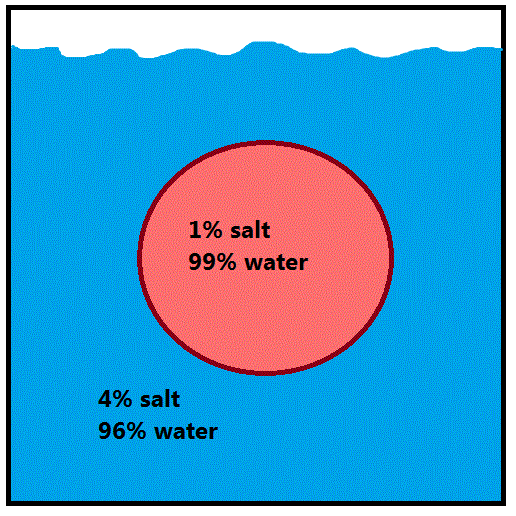
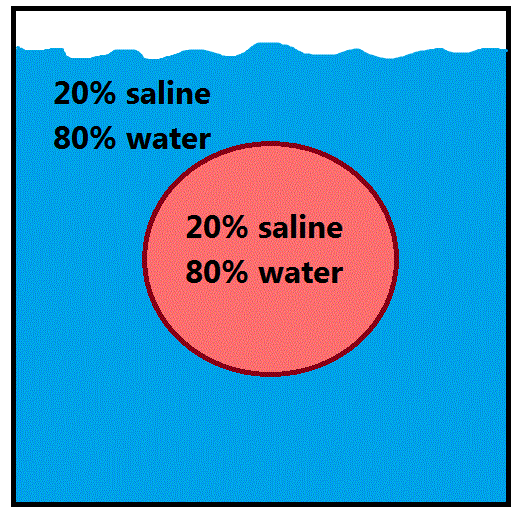
Osmosis is a process that
involves movement of particles from saturated solutions
moves water molecules from an area of higher concentration to an area of lower concentration
involves the active transport of dissolved solids
continues until the medium on each side of the membrane has become hypertonic


What will happen to the size and shape of the cell in this example?
Note: The gray diamonds represent molecules of solute.
the cell will swell & get bigger
the cell will shrink & get wrinkly
the cell will stay the same size

After examining this diagram showing the concentration of water inside and outside of the cell, identify the tonicity of the solution.
hypertonic
hypotonic
isotonic

True or False:
Oxygen will diffuse into the cell.
True; more inside than outside
False; more inside than outside
True; more outside than inside
False; more outside than inside
Which type of solution has the same solute concentration inside of and outside of the cell?
Hypertonic
Hypotonic
Isotonic

The cell shrunk in size, which means it was placed in a ____ solution.
Isotonic
Hypertonic
Hypotonic

The cell expanded in size to the point of lysing (bursting), which means it was placed in a ____ solution.
Isotonic
Hypertonic
Hypotonic
What is the term to describe maintaining internal balance in the cell?
Diffusion
Homeostasis
Osmosis
Active transport
What is the term to describe maintaining internal balance in the cell?
Diffusion
Homeostasis
Osmosis
Active transport
Which of these is not a form of passive transport?
Endocytosis
Diffusion
Osmosis
Facilitated Diffusion
What type of active transport does waste move out of the cell?
Endocytosis
Exocytosis
Sodium Potassium Pump
Diffusion
Active transport requires
A concentration gradient
Osmosis
Energy
Hypertonic solution

Some cells move large particles out of the cell through the process of:
Protein Synthesis
Endocytosis
Exocytosis
Cytoplasmic Streaming

A protein that detects a signal molecule and performs an action in response
Receptor
Phospholipid
Vesicle
Ribosome
When a solution has the same concentration of dissolved particles as the cell.
Isotonic
Hypertonic
Hypotonic
Osmosis
When a solution has a higher concentration of dissolved particles than a cell
(Water concentration is higher inside the cell than outside the cell)
Isotonic
Hypertonic
Hypotonic
Diffusion
When a solution has a lower concentration of dissolved particles than a cell
(Water molecules are more concentrated outside the cell than inside the cell)
Hypotonic
Hypertonic
Isotonic
Hypnotic
The process of taking liquids or fairly large molecules into a cell by engulfing them in a membrane
Endocytosis
Exocytosis
Active Transport
Facilitated Diffusion
A type of endocytosis in which the cell membrane engulfs large particles
Endocytosis
Pinocytosis
Phagocytosis
Cytoplasm
Diffusion that requires membrane channels; larger, polar molecules
Concentration Gradient
Forced Diffusion
Facilitated Diffusion
Passive Diffusion
A membrane protein that is responsible for moving hydrophilic substances from one side to the other.
Transport Protein
Facilitated Protein
Protein Synthesis
Lipid Synthesis
A solution in which the concentration of dissolved substances is lower than the concentration inside a cell causing water to exit the cell.
Hypertonic
Hypotonic
Isotonic
The inside of a cell contains 70% solute. If the outside solution has 60% solute what will happen?
water will leave the cell causing it to shrink
water will enter the cell causing it to swell
there will be no net movement of water

What is the function of the smooth ER?
To make proteins
To make lipids
To digest unwanted organelles
To store water
Which of the following are functions of lipids? Select TWO correct answer choices.
long-term energy storage (fat)
speed up rate of reactions (protein)
storage of genetic material (DNA)
component in biological membranes (phospholipid)
break down old or worn out cells (enzyme)

Side A contains a 3% sucrose solution, and side B contains a 10% sucrose solution. The membrane separating the sides is permeable to water but impermeable to sucrose.
Which of the following best describes the movement of water in this system?
The net (total) movement of water is from side A to side B.
Water only moves from side A to side B.
The net (total) movement of water is from side B to side A.
Water only moves from side B to side A.
Using energy to transport molecules across the membrane, against the concentration gradient, is an example of:
simple diffusion
facilitated diffusion
osmosis
active transport

Molecules which cross a cell membrane by facilitated diffusion:
require an expenditure of energy
require the aid of transport proteins
move from an area of low concentration to an area of high concentration
do so much more slowly than those crossing by simple diffusion.

A cell placed in a hypotonic solution
a
b
c
A cell placed in a hypertonic solution
a
b
c
A cell placed in a solution with an equal concentration of water (Isotonic)
a
b
c

After combining with a food vacuole, lysosomes release contents through the process of:
endocytosis
pinocytosis
exocytosis
phagocytosis
Diffusion, facilitated diffusion, and osmosis are all forms of passive transport. In reference to this, "passive" really means:
without a membrane
very slowly
no gradient
no energy required
How does particle size affect a molecule's transport across a cell membrane?
It is easier for small molecules to diffuse across the cell membrane.
It is easier for large molecules to diffuse across the cell membrane
Small molecules cannot cross the membrane without a transport protein.
Particle size does not affect a molecule's transport speed across the cell membrane.
Osmosis, the diffusion of water across a membrane, is caused by:
the active transport of water by protein pumps.
random movement of solute molecules until equilibrium is reached
differences in water concentrations across a membrane
the presence of dissolved carbon dioxide in the cell

Bacteria living in a pond maintain a much higher concentration of sodium inside their cells than in the surrounding pond water. What process must the bacteria be performing to move the sodium from an area low concentration to an area of high concentration?
active transport
endocytosis
osmosis
diffusion

According to the pH scale, black coffee is
acidic
basic
neutral

According to the pH scale, soapy water is
acidic
basic
neutral

According to the pH scale, distilled water is
acidic
basic
neutral
Select all that are true of a buffer
It can be a weak acid or a weak base
It can be a strong acid or a strong base
It helps resist changes in pH
It has a pH of 7

Acids form ___ in solution.
hydrogen ions (H+)
sodium ions (Na+)
hydroxide ions (OH-)
chloride ions (Cl-)
Bases form ___ in solution.
hydrogen ions (H+)
sodium ions (Na+)
hydroxide ions (OH-)
chloride ions (Cl-)

As shown above, blood pH levels must be maintained in a small range to avoid sickness or death. Exercise, bacteria, and cell metabolism can all create excess acids or bases in the body. How does our body counteract this constant change in acids and bases?
There is a buffer system in the blood which absorbs excess acids or bases.
Our blood cells can secrete H+ ions, causing the pH to increase
Our blood carries the extra acid and bases to our kidneys where we excrete them through urination.
When we sweat we are releasing the extra acids and bases.
An alkaline solution is the same thing as a _________ solution.
acidic
basic
chemical
buffer

If you mix hydrochloric acid (HCl) and sodium hydroxide (NaOH) together the pH of the resulting solution will:
be the same as the hydrochloric acid
be between the pH of the hydrochloric acid (HCl) and sodium hydroxide (NaOH)
be closer to the pH of NaOH
always be exactly 7
What is homeostasis?
The home of the cells
The process of maintaining a stable internal environment necessary for survival
The process of returning home after school.
Where the mitochondrion is housed
What are organelles?
Organs inside of the body
Tiny homes for organs
Groups of organs working together to maintain health
Specialized structures that perform various jobs inside of the cell
What are enzymes?
Cells
Bacteria
Proteins
Viruses
Describe how sweat is a form of homeostasis.
Keeps skin at a constant temperature
Causes body temperature to rise
Hydrates the skin
Causes body temperature to fall
What are some forms of homeostasis?
Bacteria infecting the body
Water levels growing rapidly
Maintaining healthy blood pressure
Below normal calcium levels
What are some ways the body maintains homeostasis?
Glucose
pH
Blood Pressure
All of the Above
What factors affect homeostasis in a positive way?
Diabetes
Heart Failure
Destroyed Bacteria
None of the Above
What is the function of cell membranes?
To control incoming and outgoing substances.
Maintaining homeostasis.
Protecting the cells.
All of the above
What is the function of enzymes?
To make energy for the body
To speed up chemical reactions in our body, such as digestion and liver functions
To help organelles rejuvenate
To better your eyesight
Enzymes are used up during a chemical reaction.
True
False
One enzyme can be used for many different types of reactions.
True
False
Enzymes interact with specific substrates.
True
False
Which of the following is true when the body is under homeostasis?
The body is under dynamic equilibrium
The body cannot generate its own heat in very cold conditions
The body is able to self-sustain without anything from the environment
The body is at an appropriate core temperature and no longer needs to regulate body temperature
Which is not an example of homeostasis?
Oxygen content in the bloodstream is low, so the heart pumps faster and speed/depth of breathing increases
Insulin is released by the pancreas to encourage cells to retain their glucose instead of releasing it into the bloodstream
Mitochondria create ATP through proton pumps in order to power the cellular processes
Water being retained in the body when it is cold outside.
Which of the following cell organelles is correctly paired with its function?
Chloroplast - stores water
Cell wall - moves substances in and out of cell
Nucleus - breaks down macromolecules
Ribosomes - makes proteins
Lysosomes are usually responsible for intracellular (within the cell) digestion of macromolecules. Which of the following could be the result of an incorrectly functioning lysosome?
The inability to breakdown macromolecules would cause macromolecules to accumulate.
The inability to breakdown macromolecules would not have an effect in the cell.
The cell would find another organelle to do the job of the lysosome.

Which anatomical plane divides the body into equal right and left sides?
Transverse
Horizontal
Sagittal

Which anatomical plane divides the body into front and back
frontal/coronal
transverse/horizontal
sagittal plane
none of the above


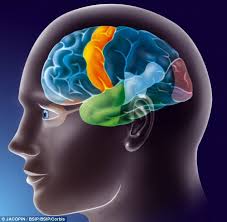
[The eyes are _______ to the brain].

This plane divides the body into superior and inferior parts.
coronal plane
frontal plane
transverse plane
sagittal plane
_______ means towards the side of the body.
distal
proximal
medial
lateral
The eyes are _________ to the ears
medial
lateral
anterior
posterior
Which of these is distal to the wrist? Choose all that apply.
hand
fingers
elbow
palm
shoulder
Your skin is ___________ to your bones
deep
lateral
superficial
dorsal
Which of these is found in one of the dorsal cavities?
brain
stomach
eye
bladder
Which of these separates the thoracic from the abdominal cavity?
stomach
rubcage
spleen
diaphragm
The shoulder blades are _______ to the ribs.
posterior
lateral
anterior
inferior
Which of these terms are opposite in meaning?
superficial and proximal
distal and proximal
medial and distal
posterior and inferior
The navel is ________ to the hips/
medial
lateral
dorsal
posterior
below another part of the body
superior
inferior
distal
proximal
above another part of the body
superior
inferior
distal
proximal
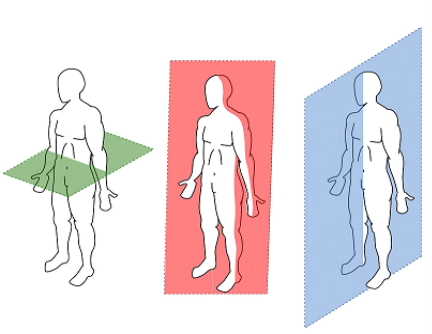
Divides the body into top and bottom portions.
Sagittal
Frontal
Transverse
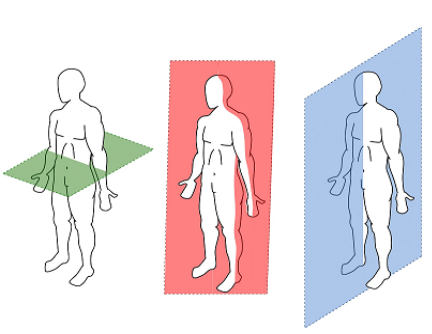
Divides the body into front and back portions.
Sagittal
Frontal
Transverse
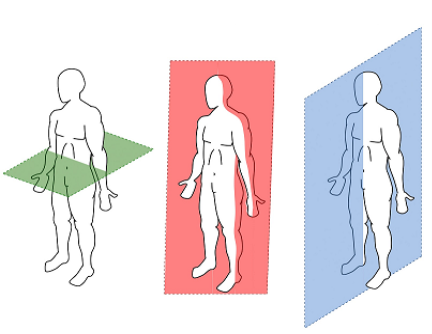
Divides the body into left and right portions.
Frontal
Transverse
Sagittal.
Away from the surface of the body.
Medial
Inferior
Proximal
Deep
Toward the surface of the body.
Deep
Superficial
Inferior
Distal
Away from the trunk.
Superior
Distal
Lateral
Anterior
Away from the midline of the body
Inferior
Distal
Lateral
Posterior
Another term for posterior.
Medial
Deep
Dorsal
Anterior
Another term for anterior.
Dorsal
Distal
Lateral
Ventral
Toward the back of the body.
Superficial
Distal
Superior
Posterior
Closer to the head.
Anterior
Proximal
Superior
Medial
The frontal plane separates the body into _____ and_____ parts.
anterior, posterior
inferior, superior
left, right
superficial, deep
anterior, inferior
The sagittal plane separates the body into _____ and_____ parts.
anterior, posterior
inferior, superior
left, right
superficial, deep
anterior, inferior
The sagittal plane separates the body into _____ and_____ parts.
anterior, posterior
inferior, superior
left, right
superficial, deep
anterior, inferior
The transverse plane separates the body into _____ and_____ parts.
anterior, posterior
inferior, superior
left, right
superficial, deep
anterior, inferior
Abduction moves bones in a _____ direction, _____ from the midline (longitudinal axis).
lateral, away
lateral, toward
medial, away
medial, toward
Flexion _____ the angle between the joint in the _____ direction.
decreases, anterior
increases, anterior
decreases, posterior
increases, posterior
decreases, lateral
Extension _____ the angle between the joint in the _____ direction.
decreases, anterior
increases, anterior
decreases, posterior
increases, posterior
decreases, lateral
Adduction moves bones in a _____ direction, _____ from the midline (longitudinal axis).
lateral, away
lateral, toward
medial, away
medial, toward

