
 Worksheets
THE ENTERPRISE AMBASSADORS CRM COURSE QUIZ (PT 2)
Total questions: 30
Worksheet time: 17mins
Those who are not currently using the product but have the capability of becoming customers in future are called __________
Potential Customers
Hidden Customers
Suppliers
Processors
CRM stands for what?
Customer Relationship Management
Custom Relation Managers
Customer Relationship Managers
Custom Relation Management
It is a strategy that companies use to manage interactions with customers and potential customers.
Customer Relation
Customer Relationship Management
Custom Relationship
Customer Relationship Managers
ROI stands for what?
Rule of Investment
Return of Investment
Reliable Investment
Relive of Investment
Customer Relationship Managers help you manage customer relationships across the entire customer lifecycle, at every marketing, sales, e-commerce, and customer service interaction.
Sometimes
False
True
Never
What are the functions of CRM?
Sales monitoring
Build prospects and customer database
Log Follow-up & Support Communications Properly
Deal updating
all of the above
Live Chat Support is one way of ensuring that your customers are properly taken care of.
True
False
Why do you have to log follow-up and support communications properly?
To include outreach such as releasing relevant articles, training, educational content, etc.
For tracking and transparency
To improve communication with new ones
CRM allows an organization to accomplish all of the following, except:
A) Provide better customer service
B) Make call centers more efficient
C) Complicate marketing and sales processes
D) Help sales staff close deals faster
What did you like most about the class?
(Start answer with "What I liked the most (a) ")
Which of the following is the best way to handle argumentative customers:
Ask simple, polite questions with options.
Never press for sales or decisions.
Explain and demonstrate good service as many times as you need to.
Mirror their behavior.
Which of the following is the best way to handle dishonest customers:
Explain and demonstrate good service as many times as you need to.
Never press for sales or decisions.
Don’t jump to quick conclusions.
Mirror their behavior.
Which of the following is the best way to handle impatient customers:
Explain and demonstrate good service as many times as you need to.
Agree first on common points.
Never press for sales or decisions.
Serve them non-emotionally.
Which of the following is the best way to handle slow/methodical customers:
Don’t jump to quick conclusions.
Let them have their say.
Serve them non-emotionally.
Help them along by not overwhelming them.
Which of the following is the best way to handle leave-me-alone customers:
Agree first on common points.
Ask simple, polite questions with options.
Don’t jump to quick conclusions.
Never press for sales or decisions.
Which of the following is the best way to handle suspicious customers:
Ask simple, polite questions with options.
Serve them non-emotionally.
Help them along by not overwhelming them.
Explain and demonstrate good service as many times as you need to.
Which of the following is the best way to handle irritable/moody customers:
Let them have their say.
Be consistent in your positive behavior.
Explain and demonstrate good service as many times as you need to.
Ask simple, polite questions with options.
Which of the following is the best way to handle domineering/superior customers:
Never press for sales or decisions.
Don’t jump to quick conclusions.
Let them have their say.
Explain and demonstrate good service as many times as you need to.
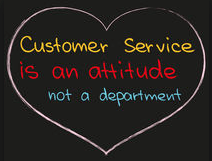
A good _______________ is essential to a business when providing customer service.
speaking voice
attitude
first impression
hair style

How do you handle a difficult customer who comes into the store for help?
Pass off the customer onto other TSI student
Hear customer out, calm customer and resolve situation
Be disrespectful back to the customer
Avoid interacting with the customer

A key benefit from offering good customer service is ............
Lower costs
Repeat business
Reduced tax
less customers
Which of the following is a method of gaining customer satisfaction?
Not dealing with problems
Long queues
Slow service
Helpful and friendly staff
Which of the following is not a type of loyalty scheme?
Reward card
Discount card
Fly rewards card
Buy one get one free
What causes upset/annoyed customers?
Breaking promises
Finding customers products that they need
Fast checkout queues
Polite employees
What is a satisfaction survey?
An instrument which gives a business no guidance of how well they are doing
It is used instead of training employees
Used to inform customers of new product ranges
An instrument that helps businesses measure their customers' level of satisfaction with their product/service
If you received your order but it turned to be damaged, you may ask to exchange the … product.
harmful
guilty
refund
faulty

