
 Worksheets
RVC Quiz Review - Global 9 - 2023/2024
Total questions: 21
Worksheet time: 2hrs 45mins

Early civilizations settled by rivers because they provided fresh water to help their farms. Which section of the PERSIAN chart does this represent?
Religious
Near Geographic
Political
Arts/Architecture

Based on the map below, we know that the earliest civilizations...
built pyramids.
lived as equals.
lived near the best soil deposits.
did not interact with each other.

Which sentence does not belong in the following paragraph about River Valley Civilizations?
Early civilizations often settled by rivers for a variety of reasons.
Many civilizations were polytheistic, meaning they believed in many gods.
Once early civilizations were able to harness the water through irrigation projects, they were able to domesticate plants to regularly grow crops.
In conclusion, rivers offered early civilizations the stability and resources to help them grow into more complex societies.

Hammurabi's Code belongs in which PERSIAN Chart section?
Political
Economic
Religious
Arts/Architecture

Ziggurats were massive temples that were built in Mesopotamia. Ziggurats were made to honor the gods of Mesopotamia, and many city-states had their own ziggurat as a sign of respect. Which pair of PERSIAN Chart sections best represent ziggurats?
Political / Near Geographic
Religious / Economic
Arts & Architecture / Religious
Arts & Architecture / Political

The Caste System in the Indus Valley was a ranking system that people were born into and could not change. It determined a person's job, where they lived, who they could marry, and how they were treated by other people. It belongs in which section of the PERSIAN Chart?
Near Geographic
Social
Arts / Architecture
Intellectual

The idea that emperors of China were chosen by god to rule the dynasty was called what?
Code of Hammurabi
Ten Commandments
Mandate of Heaven
Dynastic Square

The people of the Yellow River believed strongly in the contact between the living and non-living worlds, and because of this they had great respect for their ancestors.
Which section of the PERSIAN Chart does this belong in?
Religious
Social
Political
Intellectual

The Silk Road was a complex network of trade routes that stretched from East Asia to Western Europe.
Which section of the PERSIAN Chart does that belong in?
Arts & Architecture
Economic
Social
Near Geographic

Mesopotamia used the Tigris and Euphrates to help improve their trade across the Fertile Crescent.
Which two sections of the PERSIAN Chart could that belong in?
Near Geographic & Religious
Economic & Social
Economic & Near Geographic
Political & Religious

All of the River Valley Civilizations are correctly matched with their rivers EXCEPT
Ancient Kemet - Nile River
Indus River Valley - Indus River
Huang He River Valley - Yellow River
Mesopotamia - Tigris and Indus Rivers

Different people in society received different punishments under Hammurabi's Code based off of their job and wealth.
Which section of the PERSIAN Chart reflects the differences in punishment depending on the person?
Social
Religious
Intellectual
Political

The river valleys of the Tigris-Euphrates, the Nile, and the Indus were centers of civilizations because why?
Had rich deposits of iron ore and coal
Were isolated from other cultural influences
Had fertile soil, fresh water, and warm climates
Were easy to fend from invasion

Which Enduring Issue is best supported by the creation of the sewage system in the Indus River Valley Civilization?
The Indus Valley sewage system is an example of environmental impact because the glaciers in India carved out tunnels to help remove waste water.
The Indus Valley sewage system is an example of the desire for power because the engineers and plumbers used their inventions to control society.
The Indus Valley sewage system is an example of the impact of innovation because the city was able to invent a way to remove waste water from people's homes.
The Indus Valley sewage system is an example of population change because more people moved away from India as a result of not being able to control human waste and flood waters.

Oracle bones were used in the Yellow River Valley civilization as a way of looking into the future and communicating with ancestors who've passed away. This communication was an important process and a way of understanding the world around you. Which enduring issue best reflects the use of oracle bones?
Oracle bones are an example of the desire for power because ancestors would tell peasants when to revolt against their emperor in order to take control of the government.
Oracle bones are an example of the impact of ideas and beliefs because people used them to make sense of the world and they thought it connected them to people in the afterlife.
Oracle bones are an example of population change because they spread diseases that created pandemics within society, which killed thousands of peopel.
Oracle bones are an example of conflict because ancestors would often torment those on earth and create problems between family members.

Hammurabi's Code was a set of laws in Mesopotamia that was passed by King Hammurabi. This was one of the first sets of laws that were written down for society to understand their role in society. There were different punishments between rich and poor people, as well as between men and women.
Which enduring issue best fits this information about Hammurabi's Code?
Hammurabi's Code is an example of scarcity because there were a lack of laws in Mesopotamia, which created chaos within society.
Hammurabi's Code is an example of inequity because there were different punishments for levels and people within society.
Hammurabi's Code is an example of the desire for power because common people were able to challenge the king by using the laws of society to gain power.
Hammurabi's Code is an example of the impact of ideas and beliefs because people were able to influence laws by working with the government based on their personal beliefs.

Ancient Kemet invented and perfected the process of mummification. Mummification was a process of preserving a pharaoh's body once they had died. This was done because they wanted the pharaoh's spiritual body, or Ka, to be able to find its physical body in the afterlife. Pharaohs in Ancient Kemet were believed to continue their role as leader in the afterlife, so they would need their own pyramid to live in, and be surrounded by their wealth.
Which enduring issue is best supported by this concept of the pharaoh and the process of mummification?
Mummification is an example of scarcity because most peasants and slaves were mummified after they died, which created a shortage of medical materials needed for mummification.
Mummification is an example of environmental impact because the desert climate helped destroy the mummified bodies.
Mummification is an example of conflict because the pharaoh and his people fought wars against one another and the loser was mummified.
Mummification is an example of the impact of ideas and beliefs because the Kemetic people thought that the pharaoh would need to be mummified in order for their spiritual body to reconnect with the physical.

All RVCs used irrigation to reroute water sources to destinations that had less, or no water. Sometimes they built canals or dams to help redirect rivers to help their crops grow as their cities expanded, or provide better access to their citizens as the populations grew.
Which P.E.R.S.I.A.N. Chart section best represents building canals to redirect water?
Social
Political
Economic
Arts/Architecture

Name the civilization:
- Nile River
- Hieroglyphics = writing system
- Pyramids = tombs for pharaohs
- Mummification = medical process
Kemet
(Egypt)
Mesopotamia
Indus River Valley
Yellow River Valley

Name the civilization:
- Tigris and Euphrates Rivers
- Cuneiform = writing form
- City-States = @ war w/ each other
- Hammurabi's Code = first set of laws
Ancient Kemet (Egypt)
Mesopotamia
Indus River Valley
Huang-He / Yellow River (China)
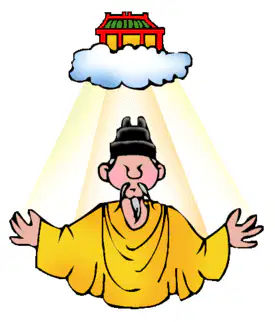
Name the civilization:
- Huang-He River
- Calligraphy writing = pictograms
- Paper & Silk = inventions
- Mandate of Heaven --> God chose leader
Ancient Kemet (Egypt)
Mesopotamia
Indus River Valley
Yellow River Valley

