
Font size
 Worksheets
Midyear Review
Total questions: 48
Worksheet time: 26mins

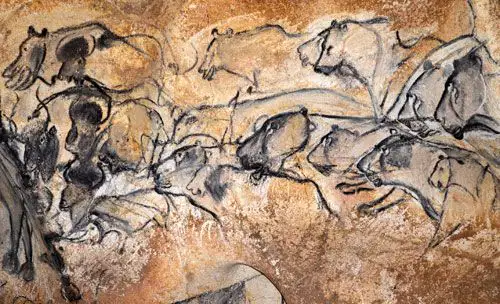

Many prehistoric works were layered by successive generations of artists over the course of centuries. (superimposed) This is true of all of the following works EXCEPT
Stonehenge
Lascaux- Hall of Bulls
Running Horned Woman
camelid sacrum in the shape of a canine

Prehistoric images of people wearing masks, such as the "Running Horned Woman" indicate an ancient interest in
coronation of royalty and a sophisticated power structure
a formal hierarchy of religious leaders, including women
ceremonial centers and designated performers
ritual presentaions in which the participants paint their body and dance

In Egypt and Mesopotamia, relief figures were often carved in
terra-cotta
the black-figure style
registers
caldaria
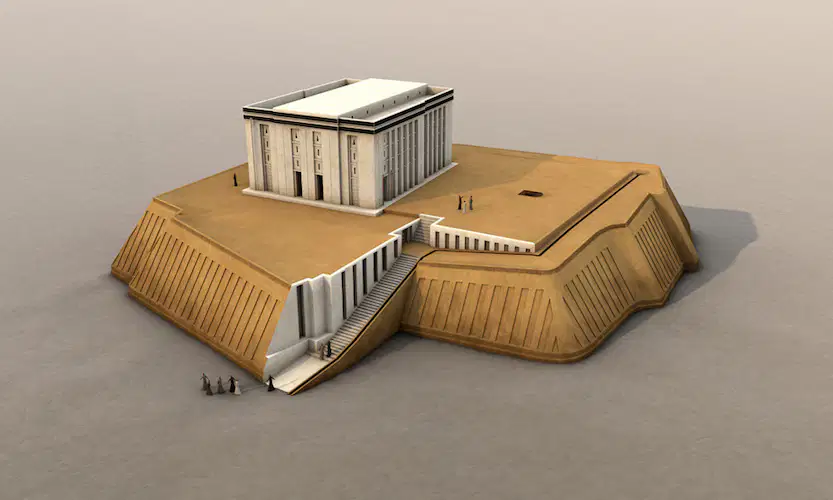
What helped Ziggurat in Ur drain
Tapered sides
The surrounding desert
The temple at the top
the gods

Sumerian sculptural stylistic conventions of a votive figures include:
Hair
Dance moves
Eyes
Use of Jade

Huge sculptures of winged bulls or lions, with human faces, stood at the entrances were called...
Lamassu
centaur
unicorns
gods
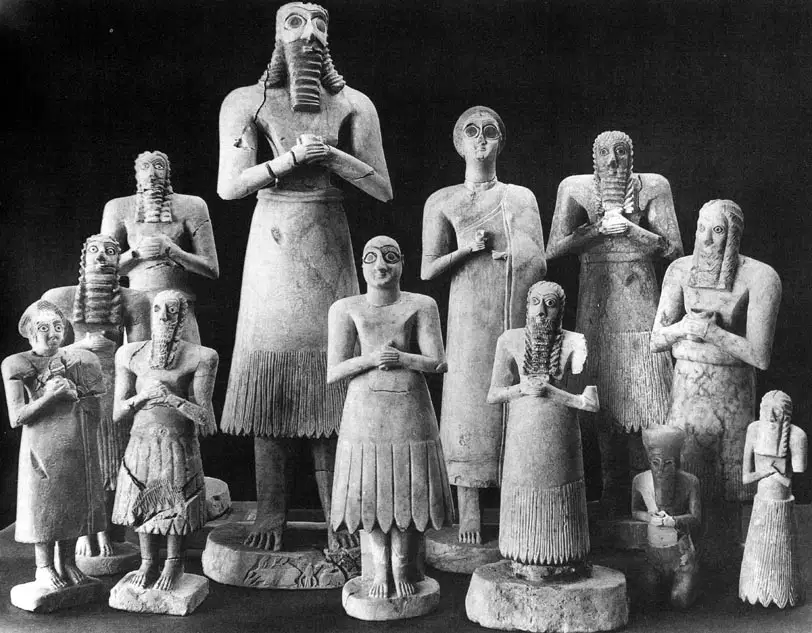
Mesopotamia prayer objects made of gypsum with large black limestone inlaid eyes are called:
nsiki nkondi
Kouros
Votive Figures
Columns

What is the purpose of the audience hall (apadana) in Persepolis?
To provide a place for religious worship
To house the treasury of the empire
To hold grand ceremonies and receptions of ambassador
To serve as a royal residence for Alexander the Great
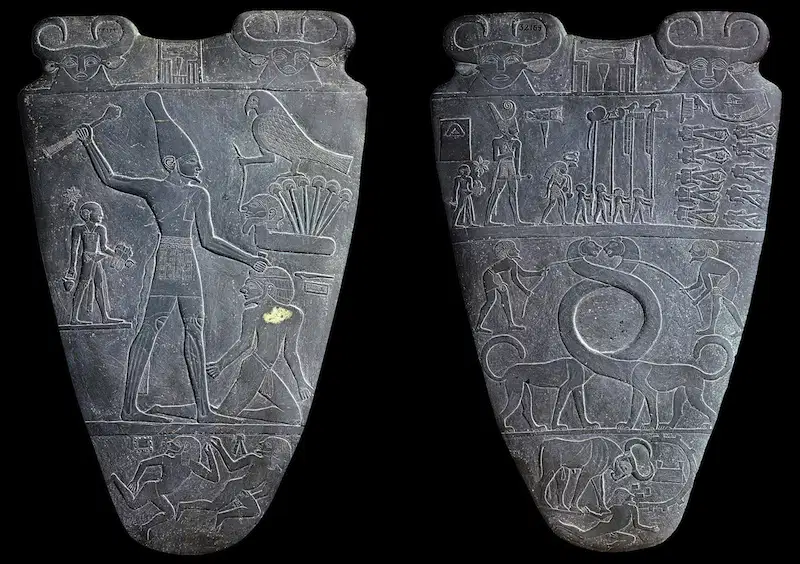
The historical event of the unification of upper and lower Egypt is depicted in the...
Temple of Ramses II
Great Sphinx
Senusret III
Narmer Palette
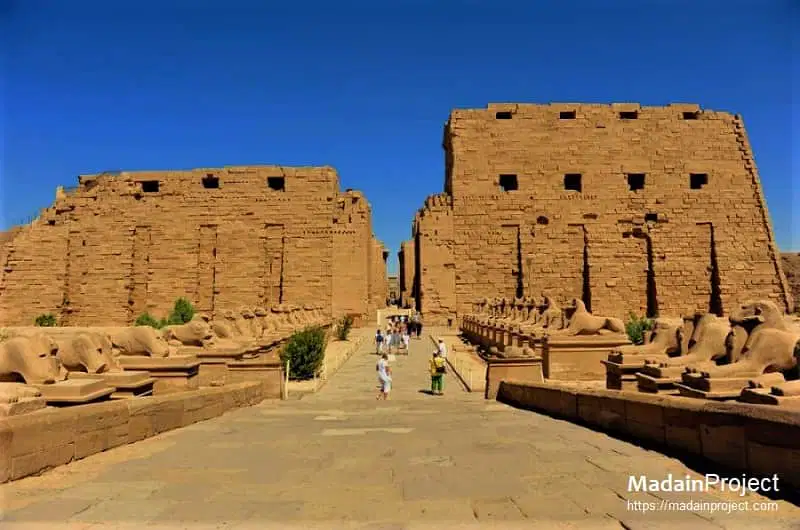
What do pylon gates of the Temple of Amun-ra represent in Egyptian temples?

The relief shown can be attributed to the Amarna period in Egypt based on which of the following typical characteristics?
The depiction of Hatshepsut with the attributes of a male pharaoh
The use of hierarchical scale to distinguish the ruler from conquered peoples
The use of wet drapery to emphasize the sculptor's natural rendering of the body
The depiction of the deified Aten as a sun disk with diagonal rays and alien-like bodies

The Niobides Krater is the earliest known piece of Greek Pottery
to show the Niobides myth
to be done in red-figure style
o not have figures arranged in isocephalism
to be influenced by a wall painting
The Anavysos Kouros has in common with Egyptian sculpture its
nudity
facial expression
contrapposto
stance

What type of temple is this?
Doric
Ionic
Corinthian
"Helios, Horses, and Dionysos" is a sculptural group placed on the pediment of the Parthenon because these figures
helped Athena defeat Neptune
were witnesses to Athena's birth
are associated with the Athenian king, Erechtheus
were part of the Panathenaic procession

Name and Period:
Doryphoros
Bearer of Spear
Modelaises
Early Classical
Classical
Victory Adjusting Her Sandal, Temple of Athena Nike, Acropolis
Marble with paint
Clay
Marble
Bronze
The statue of Aplu (Apollo) from Veii was originally located _____.
On the roof of the temple.
Behind the temple.
On the porch of the temple.
In the cella of the temple.
Which of the following is a Terra Cotta (sign that this is Etruscan) sculpture ? It was used to hold the ashes and not the body of the deceased, "dining in banquet for eternity"?
Audience Hall
Sarcophagus of the Spouses
Tomb of the Triclinium
The Pantheon exemplifies Roman innovations in the use of concrete in the creation of its
expansive upper clerestory
continuous vaulted ambulatory
massive coffered dome
free-standing colonnade
The sculptor of the work shown chose to show the figure’s arm extended to
emphasize the importance of casting a vote
dramatize a confrontation with another ruler
demonstrate his piety through a gesture of prayer
highlight his speaking skills as a gifted orator

Trajan's Column was created to serve this purpose
a lighthouse for ships coming in to port
a rock climbing wall for young soldiers to test their strength
a space telescope
a monument to honor Emperor Trajan and his military achievments
a picture painted directly on to a wall
mosaic
fresco
parable
missionary

The Good Shepard fresco is an image in Early Christian catacombs that has its origins in the Bible, but pictorially the images are inspired by
Roman belief in agrarian virtues
Muslim cultivation of extensively planned gardens
Prehistoric cave paintings and their animals
Greek images of shepherding
Early Christian basilicas had
wooden roofs
golden roofs
marble roofs
concrete roofs
The Byzantine mosaics of Emperor Justinian and Empress Theodora from the Church of San Vitale in Ravenna differ from classical Roman mosaics in that they
focus on realism, illustrating the concern of Byzantine art for making religious subject matter more relatable
employ diagonal lines and stacked bodies, showing the focus of early Christian art on drama and emotional impact
portray secular leaders, demonstrating the preference of Byzantine art for historic over religious subject matter
favor stylized figures against a gold-leaf background, reflecting the emphasis of early Christian art on spirituality


Wax painting that was practiced by Ancient Greeks and Romans which was painted on panels and walls (ours is from byzantine unit)
Encaustic
Hydria
Pediment
Contrapposto

A black stone building in Mecca that is shaped like a cube and that is the most sacred Muslim pilgrim shrine
Dome of the Rock
Kaaba
Hailey's Comet
Blarney Stone

This type of honey-comb design that is carved into vaulting in Islamic architecture is called:
muqarnas
coffers
squinches
doming
An important structural innovation for supporting domes is a
Pendentive
Groin vault
Corbelled galleries
Concrete construction
Rather than using animals and humans in their artwork Islamic Artists used (a)
the greatest of all Ottoman architects
Akbar
Mehmed II
Riza-i-Abbasi
Sinan
Made to assert islam's dominance
Purpose
Form
Context
Content
What is the purpose of the Merovingian Looped Fibulae?
Pin used to fasten a garment and status symbol
Earrings and status symbol
Silverware only used once or twice a year for very special occasions
Tools for welding

The Cruciform (Cross) Shape represents:
the eternal nature of the Church through an endless line
represents the crucified Body of Christ.
represents Noah’s ark that saved people from the flood.
represents our life when we get baptized.

Some characteristics of Romanesques architecture are?
Small windows and pointed arch windows
Stained Glass windows and flying Buttresses
Gargoyles and small windows
Small windows and thick walls

The main differences in Gothic and Romanesque churches are what?
Flying Buttresses, gargoyles, pointed arches
thinner walls, soaring in height
Rose window. stained glass
All three answers
In Romanesque times, the faithful would make pilgrimages to churches that displayed holy _____________.
relics
mosaicss
illuminated manuscripts
codexes
Enamel work in which colored areas are separated by thin bands of metal, usually gold or bronze
What is a reliquary
a item that belong to a saint
object that contains belongings/parts of saints
pilgrimage routes
where you pray in groups
In the Gothic time period who was the biggest patron of the arts
merchants
emperors
the church
(B)abe Lincoln
What was used to outline the architecture in the pazzi chapel
Pietra Serena
Cement
Lapiz Lazuli
Beads

