
 Worksheets
Weathering, Erosion, and Deposition
Total questions: 32
Worksheet time: 36mins
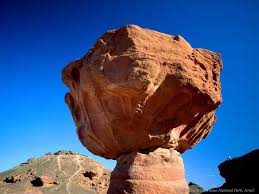
The process that breaks down rocks and other materials on Earth's surface is called
Weathering
Erosion
Deposition
Decomposition

Over long periods of time, deposition may change the Earth’s surface by _____.
forming new land features.
breaking down large rocks into smaller ones.
washing away beaches.
moving topsoil.
Some agents of weathering are water, wind, ice, temperature and plant roots.
true
false

_____ is the process by which soil and sediment (weathered rock) are transported (moved) from one place to another by water, wind, glaciers, and gravity
Erosion
Deposition
Weathering
Running Water

A farmer's topsoil is blown away during a hurricane is an example of ___________.
weathering
erosion
deposition
_____________________ is the movement of soil and rock by wind, water, ice, and gravity.
Weathering
Erosion
Deposition
______________________ occurs when eroded materials stop moving and begin to build up.
Weathering
Erosion
Deposition

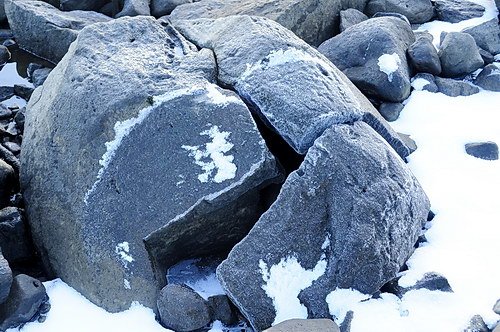


(a) is the process that picks up and moves weathered rocks.
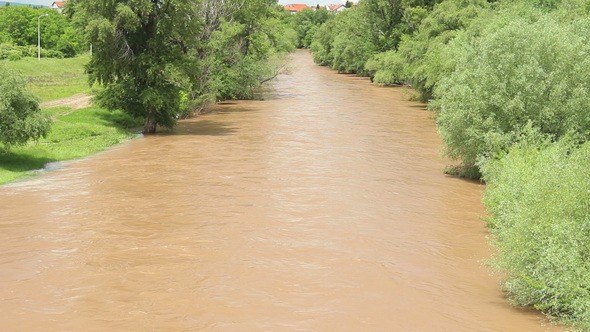



A U-shaped Valley is formed by a-
River
Wind
Glacier
Rainfall
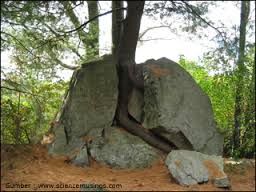
What can cause weathering? (Check all that apply)


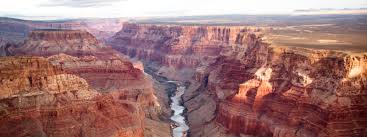
Which of these is largely responsible for the formation of the Grand Canyon?
wind
water
earthquakes
ice

What is a slow land change?
a change that takes a long time
a change that happens very quickly
A surface feature of the earth's land
landform
glacier
sediment
delta
Acid rain dissolving underground limestone.
weathering
erosion
deposition
Deltas forming at the mouths of rivers
weathering
erosion
deposition
Glaciers scraping rocks across the Earth's surface
weathering
erosion
deposition
Ponds filling up with sediment and becoming marshes
weathering
erosion
deposition
Rocks being made smooth by tumbling across a streambed
weathering
erosion
deposition
________________ is when particles carried by water, ice, or wind are deposited or dropped in another location.
weathering
erosion
deposition
_________________ is the breaking down of rocks and minerals by physical, chemical, or biological processes.
weathering
erosion
deposition
_______________ is the movement of sediment or soil from one location to another by water, ice, or wind.
weathering
erosion
deposition
Earth's surface is constantly changing.
True
False

