
 Worksheets
Final exam revision
Total questions: 51
Worksheet time: 1hrs 1mins
Match the following terms with its definition.
putting food into your mouth.
ingestion
the physical and chemical breakdown of food into small molecules.
digestion
undigested materials pass out the body.
elimination
Food molecules are absorbed into the circulatory system by cells in the small intestine.
absorption
Match the following terms with its definition.
physical breakdown of large pieces of food into smaller pieces.
Mechanical digestion
enzymes break down food into small molecules that the body can use.
Chemical digestion
too much water is absorbed from the feces.
Constipation
too little water is absorbed from feces.
Diarrhea
Match the following terms with its definition
the study of food and its effects on the body
nutrition
The measure of energy in food
Calorie
a small, finger-shaped structure lining the small intestine that absorbs nutrients.
Villus
the contractions of smooth muscle that move food through the digestive system.
peristalsis
Match the nutrient with its corresponding function.
Provide the body with building materials for growth and repair.
Needed to build cell membrane, produce certain hormones and store energy.
Essential for the formation of red blood cells and transporting oxygen.
Makes up the bulk of most body fluids.
Water
Important for the formation of strong bones and teeth.
Match the following nutrients with its corresponding function
Polymers of amino acids.
protein
Maybe monosaccharides, disaccharides, and polysaccharides.
carbohydrate
May be fat-soluble or water-soluble.
vitamins
Iron or calcium belong to which class of nutrients
Mineral
may be saturated and unsaturated
fat
Match the following nutrient with its function.
good for vision and eye health.
Vitamin A
collagen formation and good for immune system.
Vitamin C
build and maintain healthy bones.
Vitamin D
good for blood clotting.
Vitamin K
Label different types of teeth.
Cuspid
Bicuspid
Molars
Incisors
Label the digestive system part I.
stomach
gallbladder
pancreas
liver
rectum
anus
mouth
esophagus
large intestine
small intestine
Label the different structures of the digestive system.
rectum
anus
esophagus
stomach
gallbladder
liver
duodenum
pancreas
small intestine
large intestine
Label the cuspid tooth.
Identify the molars.
Identify the bicuspids.
Identify the incisors.
Match the following digestive juice (消化液)with the active site (作用场所)
pancreatic enzyme
bile
HCL
salivary enzyme
Match the following enzymes with their effect on food.
breaks protein into peptides.
Pepsin
breaks down starch into disaccharides.
Salivary amylase
breaks lipid into fatty acids and glycerols.
lipase
Match the following digestive enzymes with their function on food.
Continues the breakdown of starch.
pancreatic amylase
Continues the breakdown of protein
trypsin
Kill the bacteria.
lysozyme
Match the following components of the digestive juices with their function.
to neutralize the acid in the chyme and protect the lining of the small intestine.
Sodium bicarbonates
regulate the blood sugar.
Hormones by the pancreas
helps fat digestion
bile
Where is the bile produced/secreted (产生分泌)?
Where is the bile stored (储存)?
The secretion of stomach glands is consisted of
Hydrochloric acid
pepsin
Mucus
Trypsin
The production of the pancreas is consisted of
sodium bicarbonates
pancreatic amylase, trypsin and lipase
hormones that regulate blood sugars
pepsin, salivary amylase
What kind(s) of digestion happen in the mouth?
Mechanical digestion by teeth
Mechanical digestion by enzyme
Chemical digestion by enzymes
Chemical digestion by teeth
Differentiate types of digestion.
churning to form chyme
grinding and tearing by teeth
peristalsis by intestines
gastric juice: HCL, pepsin, mucus
digestion by salivary amylase
digestion by enzymes in the small intestine
What are the functions of the mouth?
Chemical digestion of amylase.
Mechanical digestion by teeth.
Peristalsis pushed food down to the stomach.
Mechanical digestion: churning to form chyme
What are the digestive functions of stomach?
Chemical digestion by gastric juice: pepsin, HCL and mucus.
Mechanical digestion: churning to form chyme
Mechanical digestion by teeth.
Duodenum absorbs most nutrients.
What are the functions of large intestine?
Absorbs water and vitamins.
Feces pass out the body via the large intestine.
Most absorption happens here.
Most digestion by enzymes happens here.
What are the functions of the duodenum?
Most digestion happens here
Most absorption happens here
Mostly absorbs water and vitamins.
Peristalsis pushed food down to the stomach.
Order the process of digestion
Ingestion
Digestion
Absorption
Elimination
What are the four phases of digestion?
Match the following macromolecules with their basic units
Carbonhydrates
monosaccharides
Proteins
amino acids
Fats
fatty acids and glycerol
Main source of energy.
Fats
Carbohydrates
Protein
minerals
Vitamins
Choose which fat is associated with heart problems.
Saturated fatty acids
Unsaturated fatty acids
Trans fat
Which of the following nutrient is a major component (主要成分)of cell membrane?
Fat
Protein
Vitamin
Carbohydrate
Sex hormones is derived from (源自于) which nutrient?
fat/lipid
Carbohydrates
Protein
Vitamin
The function of fat does NOT include
Protecting (保护) and insulating organs.
Storing energy.
Producing sex hormones.
the main resource (主要来源)of energy.
Which food is rich in (富含) protein?
Eggs
Vegetables
fruits
bread
Lily has recently experienced bad eyesight (视力不佳) and she is diagnosed with Vitamin A deficiency, how would you design her diet?
Adds liver and carrot(胡萝卜)into her diet.
Adds vegetables into her diet.
Adds spinach (菠菜) and red meat into her diet.
Adds dairy food into her diet.
Bob is not satisfied with his height and he is 13 years old, Vitamin D facilitates the absorption of Calcium. Which food would you advise him to increase in the diet?
Salmon and dairy food
leafy vegetables
liver and carrots
citrus fruit (柑橘类水果)
Which food is rich in vitamin K?
leafy vegetable
citrus fruits (柑橘类水果)
eggs
liver and carrots
A patient with Iron deficiency need to eat more of
Red meat and sea food
dairy food
citrus fruits (柑橘类食物)
whole grains
Which food is rich in the B vitamins?
the whole grains(粗粮)
dairy food
salmon
Avocado (牛油果)
An example of foods high in carbohydrate is
pasta
butter
eggs
fish
Write out the six types of nutrients.
Amino acids that can be made by the human body are called
essential amino acids
non-essential amino acids
Amino acids that cannot be made by the human body.
Essential amino acids
Non-essential amino acids
pancreatic amylase
lipase
trypsin
lysozyme
salivary amylase
HCL
mucus
pepsin
bile
reorder the alimentary canal organs
mouth
esophagus
stomach
small intestine
large intestine
Order the organs in the alimentary canal.
rectum
large intestine
small intestine
esophagus
stomach
duodenum
Mechanical digestion happen in which two organs?
stomach
mouth
large intestine
small intestine
Where does the process of chemical digestion begin?
mouth
stomach
small intestine
large intestine
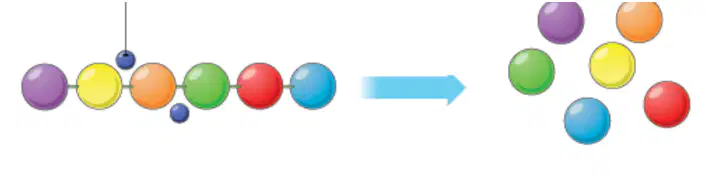
What is this process called?
digestion
elimination
absorption
ingestion

