
NEW
Font size
 Worksheets
Plants and Animals Revision
Total questions: 55
Worksheet time: 46mins
How does a plant start?
a fruit
a seed
a stem
a leaf
What does a plant need to grow?
water, sun, and warm
dirt and sun
love, friendship, and sun
warm, water, and snow
When a plant gets big, what is it called?
a mature plant
a seed
a pollination
a young plant
What do plants produce?
pollen
flowers
seeds
bees
What part of the plant absorbs water?
the root
the leaves
the stem
the flower
What part of the plant holds it up?
the root
the leaves
the stem
the flower
What part of the plant attracts bees and makes pollen?
the root
the leaves
the stem
the flower
Why is sun important for plants?
It helps them make their own food.
It helps protect them from insects.
It helps hold them up.
It helps keep them cool in the summer.

leaf
Which does a seed need to germinate?
freezing temperatures at night
to be eaten by an animal
water, nutrients, and the right temperature
only water
A plant is classified as a producer because...
it makes us happy
it produces a flower
it makes its own food
What is a food chain?
The flow of energy from one thing to another
The way animals eat each other
The way the sun makes everything
How the plants grow


*Remember Humans are on the top of all food chains because we do not get hunted.
An example of a predator:
shark
mouse
rabbit
An example of prey:
lion
mouse
shark

What is a decomposer?


What is a food chain?
The flow of energy from one thing to another
The way animals eat each other
The way the sun makes everything
How the plants grow
What is a Producer?
An animal that eat plants
An animal that eats meat
is a plant that produces their own food
An animal that grows really tall
What is a Herbivores?
A animal that eats plant
A animal that eats meat
A plant that makes its own food
a plant that eats meat
What is a Carnivore?
A animal that eats plants
A animal that eats meat
A animal that makes it own food
A animal that doesn't eat animals or plants
What is a Decomposer?
it an animal that eats everything
its an plant that eats dead animals and plants
it a human
it the sun
which one is a Producer?


_____ is when animals have colors or patterns to help blend into their surroundings.
Camoflag
Camouflage
Camoflage
Cammoflage
_____ is when animals have colors or patterns to help blend into their surroundings.
Camoflag
Camouflage
Camoflage
Cammoflage

Animals that hunt and eat other animals are _____.
camouflage
prey
predators
instinct
Why would a rabbit's fur be brown in the summer and white in the winter?
The rabbit likes to change fur color.
The rabbit learned it from its parents.
The changing of fur color help the bunny blend in with its surroundings.

A chameleon lies next to a large blue flower so predators can NOT find it. This is an example of
camouflage
mimicry
migration

A green snake blends in so predators can NOT find it. This is an example of?
Hibernation
Mimicry
Migration
Camouflauge

Some butterflies have spots on their wings that look like snake eyes. This is called
A pretty butterfly
Instinct
camouflage
mimicry

Using this picture, what defense is this Hawk Moth displaying?
camouflage
emitting smells
mimicry
breathing
Using this picture, what defense is this Hawk Moth displaying?
camouflage
emitting smells
mimicry
breathing
Which picture is an example of mimicry?


Mimicry means:
A tree that has pink flowers in the spring
When one living thing looks like a different kind of living thing
A way an animal blends in with its environment
Camouflage means:
A special dessert
When an animal looks like another animal
A way an animal can look like its surroundings
What is transpiration?
Excess water being released from the aerial parts of plants in the form of water vapor
Excess sugar being released from the leave
The way a plant makes its food
When the plant uses sugar for energy
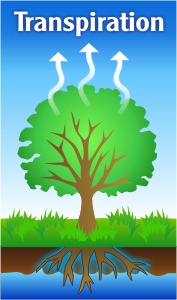

If plants don't store up water, how does water leave the plant?
The roots get rid of excess water.
Most plants DO store water.
It is released from the leaves by TRANSPIRATION.

