
 Worksheets
Evidence of Evolution
Total questions: 28
Worksheet time: 27mins
Which description is natural selection
Organisms select the mate that has the desired characteristics
Humans select and breed organisms with the desired characteristics
Organisms best adapted to the environment survive and reproduce more
Organisms that developed advantageous features (like stretched necks) pass these features onto their offspring
Which is the best evidence listed for the theory of evolution
fossil record
climate change
numerical data
religious information

Which statement is correct about the evidence in this picture?
similar bones indicate a similar diet
similar bones indicate a similar habitat
similar bones indicate a common ancestor
similar bones indicate evolution happened quick

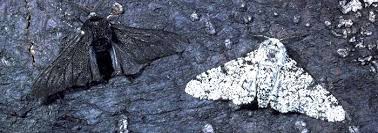
What is the most likely cause for the change in the mice population over time?
hawks eat more dark mice because they taste better
hawks eat more white mice because they are easier to see
hawks eat more dark mice because they are easier to see
hawks eat more white mice because they reproduce better
The same species lives in the same area and have different appearances. What term can be used to describe this?
overpopulation
population
extinction
variation
Polar bears live in the Arctic. Ice in the Arctic in melting rapidly, reducing the range in which the polar bear can live. If polar bears do not have adaptation that allow them to survive these changes, what might happen to them?
become another speices
overpopulation
change the enviornment
become extinct
Which statement best explains adaptations in context of the Theory of Evolution.
adaptations are critical to the survival of a species by providing ways to adjust
adaptations allow a single surviving organism to choose its traits and then reproduce
adaptations are when an organism changes is environment to make it easier to live
adaptations allow organisms to learn how to survive in any environment
Which of the following is a correct statement about the relationship between natural selection and evolution?
Natural selection results from evolution.
Natural selection includes evolution as a part of it.
Natural selection is the mechanism of evolution.
Natural selection and evolution are the same thing.

The picture shows the fossil of Archaeopteryx. Does this fossil support the theory of evolution?
yes, because it is a complete fossil and only complete fossils can be used to prove the theory of evolution
yes, because it shows evidence of feathers, indicating that it might be a distant relative of birds
no, because it is so different that it cannot be compared to any modern day organism
no, because it dates back more than one hundred million years ago beyond the scope of dating techniques

The fossil record help scientists
better understand the kinds of organisms that lived in the past
better understand how the environment has changed over time
better understand how organisms have evolved over time
all of the above
Anaerobic conditions
Hard bodied organisms
Dry conditions
Rapidly buried
Moist conditions
Soft-bodied organisms
Aerobic conditions
Exposed carcass
Why are their gaps in the fossil record of evolution?
Not all organisms will fossilise
Fossils are expensive to dig up
Scientists are only interested in some fossils
Not all fossils have been discovered
Fossils may become destroyed by geological activity
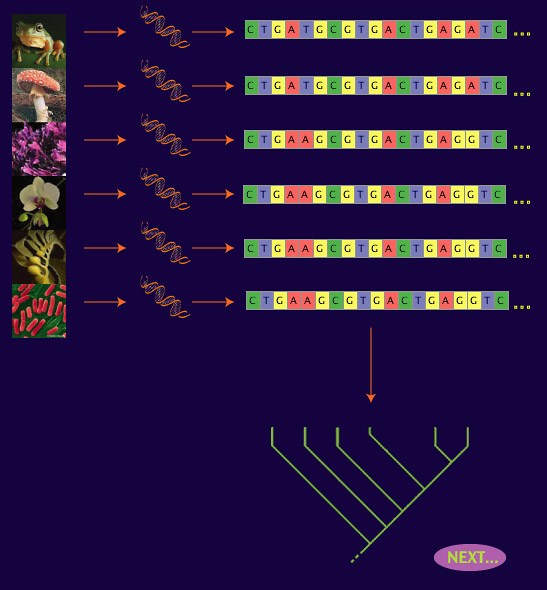
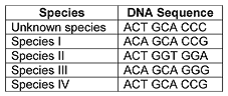
New evidence of evolution comes from studying (a) and comparing how similar it is between species

Which is the closest living relative of Bonobos?
Humans
Chimpanzees
Gorillas
Orangutans

How do fossils form
an insect becomes trapped in amber
an entire organism becomes frozen in ice.
a dead organism becomes buried in sediment
All of the above

Which of the following is most likely to become preserved as a fossil?
a leaf
a worm
jelly fish
clam shell

Explain why there are no fossils of many early forms of life
Early forms of life where too soft to form fossils
Early forms of life were very, very small so finding fossilised remains is very difficult.
Most dead organisms do not form fossils they decay
All of the above



In the Picture - Where are the oldest fossils of the organisms that lived longest ago found?
At the bottom
At the top
In the middle

