
 Worksheets
2nd quarter revision sheet grade 4 2024
Total questions: 168
Worksheet time: 4hrs 22mins


The batteries in a flashlight contain _____energy that is converted into_______energy and _______energy when its on.
Electrical
Solar
Chemical
Mechanical
Light
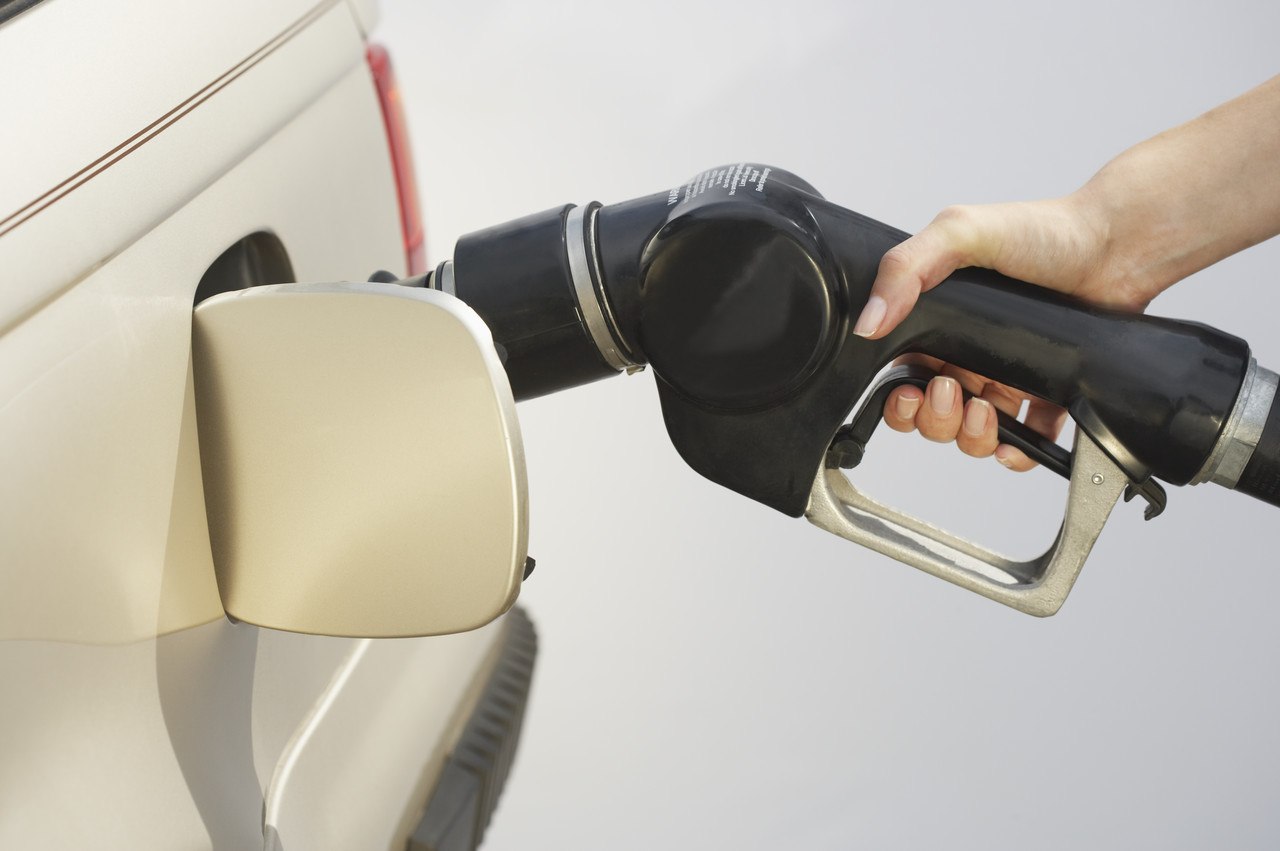
A car converts the ______energy in gasoline into _______when it moves.
thermal
Electrical
chemical
Mechanical
Solar

The logs contain_______energy and is converted into________energy
Solar
Electrical
Chemical
Electrical
Thermal
What has to happen before chemical energy can be seen?
Electrical shock
chemical spill
chemical reaction
heat energy
Which is an example of a chemical reaction?
burning wood
stretching a rubberband
holding a ball up high
rolling a car down a ramp
Examples of stored chemical energy are ______________________.
coal
oil
natural gas
all of these
smallest unit of any object
atom
molecule
bond
cell
When we burn coal, the chemical energy is converted into...
light & heat.
energy.
solar energy.
calories.
When we eat food, the chemical energy is converted into...
light & heat.
other forms of energy that are useful for our cells.
solar energy.
calories.
Chemical energy is important for us...is it true or false?
TRUE
FALSE
I don't know...
True/False: energy is required to break chemical bonds.
True
False
True/False: In a chemical reaction, old bonds break and new bonds form.
True
False
what is chemical energy?
energy stored in the bonds between particles
a type of energy kinetic energy
The energy that holds the particles together and it can be found in food:
Nuclear energy
Chemical energy
Sound energy
Reaction in the nucleus of an atom
Electron
Nuclear Reaction
Potential Energy
Kinetic Energy
Nuclear energy comes from splitting a nucleus of an atom
True
False
Nuclear energy doesn’t depend on fossil fuels
True
False
The total kinetic energy of all the particles in a matter is called —————
Total Energy
Thermal Energy
Particle Energy
Thermal energy is transferred from————-
A cooler object to a hotter one
A hotter object to a cooler one
paricles with more kinetic energy move ———- than particles with less kinetic energy
Lower
Faster
Higher
Slower
What are the two main forms of energy?
Kinetic and potential energy
kinetic and electricity
Potential energy and wind energy
Potential energy and electricity
Generators transform kinetic energy into:
Running water
Potential energy
Electricity
Wind energy
When particles in matter move, they create __________.
a thermometer
frozen energy
thermal energy
water
The energy of moving particles is called _____.
sound energy
heat or thermal energy
light energy
mechanical energy
When particles are heated they begin to ____.
move faster
mover slower
move up
jump out of the pot
A large amount of matter needs ______ thermal energy to warm up than a small amount of matter.
less
the same amount of
more
no
Thermal energy comes from ________________.
how hot something is
the movement of particles
the flow of electrons
If the molecules in an object move faster, the object becomes _______.
bigger
colder
hotter
Which one of the following is not a source of thermal energy?
sound energy
chemical energy
electrical energy
The energy given off by the sun
solar energy
heat
fuel
conduction
Air temperature rises when the particles in the air move
Faster
Slower
The particles in water move faster when the water is
frozen
boiling
room temperature
The particles in water move slowest when the water is
boiling
room temperature
frozen
________________ is a form of kinetic energy.
Light
Electricity
chemical
The movement of which particle is necessary for electricity?
Electrons
Protons
Neutrons
Nucleus
Electrons have what type of charge?
Postive
Negative
Neutral
What kind of energy makes a hair dryer, television, computer, and refrigerator works?
thermal
electrical
chemical
mechanical
Which of the following is NOT an example of electricity turning into another form of energy?
radio
toaster
windmill
light bulb

Which kind of kinetic energy is represented by the picture?
magnetic
sound
thermal
The center of an atom is called the ______________.
electron
nucleus
liquid
neutron
Nuclear energy is released through a _____________________.
chemical reaction
physical change
nuclear reaction
chemical change
Objects that are very ________ have a lot of thermal energy.
hot
cold
big
small
Energy of electric charges.
mechanical energy
electrical energy
thermal energy
electromagnetic radiation
Which types of energy are only potential energy?
thermal
electrical
chemical

What is not true about electric energy:
electrons move
moving electrons make an electric current
your brain and nerves use electric energy
it is a kind of potential energy
When you play music on your phone, electricity turns into ___________.
work
heat
sound
Also known as heat energy
thermal
thermos
electrical
electricity
We receive ________ and heat energy from the Sun.
sound
mechanical
light
kinetic
Vibrations produce _______ energy.
chemical
sound
potential
light
Energy released when atoms split or join together is called
Gravitational
Nuclear
Elastic
Chemical
Energy that is produced when something moves back and forth (vibrates) is called:
thermal energy
light energy
sound energy
Energy you can see is called:
light energy
thermal energy
sound energy
Energy that comes from electric currents is called:
light energy
electrical energy
sound energy
The amount of heat in an object is called
chemical energy
thermal energy
sound energy
T or F: Wind and water turbines cannot turn kinetic energy into electrical energy.
True
False
The different forms of radiations all together are known as
electrons
electromagnetic spectrum
A kind of energy that travels in waves that you hear
Sound
Crest
Light
Pitch
Each low point of a sound wave
crest
frequency
dip
Each high point of a sound wave
wavelength
peak
frequency
Sound waves travel fastest through a ______
solid
liquid
gas
Sound waves move faster when the medium is
warm
cold
Sound waves move slower when the medium is
warm
cold
they travel at the same speed
Which of these is NOT a medium?
light
air
wood
metal
How can I produce a sound?
heating an object
hitting an object
moving the mouth
looking an object
When people speak their ________ vibrate.
ear drums
vocal chords
ears
tongue
Sound needs a medium in order to travel.
True
False
A sound wave looks most like:
a long rope
a coiled spring
a short rope
Sound waves
don't travel
travel in all directions
travel in only one direction
travel only north
A place where no sound exists is
in the air
space
under water
all of the above
Energy that can travel through space and medium
energy
light energy
shadow
reflect
Can a glass produce light energy?
yes
no
Can a fire give off light energy?
yes
no
Can a flashlight give off light energy?
yes
no
Can a newspaper give off light energy?
yes
no
Can the sun give off light energy?
yes
no
Another word for solar cells is-
cells
plant cell
Photovoltaic cells
In the word "photovoltaic" the word "photo" means-
light
sun
current
energy
In the word photovoltaic, the word "voltaic" means-
electricty
energy
thermal heat
sun rays
It converts light into electricity.
solar cell
water cell
light cell
electric cell
What particles from the sun help to generate power from solar cells?
Electrons
Photons
Neutrons
Waves transfer _____ , not matter.
time
water
energy
space
Do waves transfer ENERGY or MATTER?
Energy
Matter
What type of wave is sound?
transverse
longitudinal


Property of longitudinal wave where particles are close together is called ___________?
Wavelength
Rarefaction
Compression

The place in a longitudinal wave where particles are far from each other is called_______________?
Compression
Rarefaction
Amplitude
What is 'current electricity'?
A current passing through material.
A current.
The flow of electrical charge through a material.
its save to touch an electric machine with wet hand , while its connected to electric current
true
false
Material that allows electric current to flow through easily.
electromagnetic field
conductor
open circuit
electric current


Which of the following is an insulator?
aluminum foil
copper penny
teddy bear
coin

The flow of electric charge in a circuit is called _______.
Heat
Sound
Electric Current
Magnetic

If the light is on, the circuit is _________________.
closed
open
Electric wires are covered with plastic because
It is a poor insulator of electricity
It is a good insulator of electricity
It is a metal
it is a good conductor of electricity

This circuit called
An open circuit
A closed circuit
A lemon circuit
A potato circuit
The inner part of the connecting wire is
Plastic
Copper
Wood
Water
We can connect all the circuit components by using
Bulb
Switch
Cell
Wires
............ is a tool that closes and opens the circuit
electric wire
electric circuit
battery
switch
All the following work by the current electricity except…………………….
mixer
television
fan
comb
The source of electric current in the electric circuit is...........
lamp
electric wire
battery
switch
......................... is the electric charges that flow through connecting wires.
Static electricity
current electricity
The washing machine and the electric heater work by …………………………
Static electricity
current electricity
true
What are the parts of a series circuit?
the energy source and wires
the switch and resistors.
energy source, switch, resistor and wire
energy source, light bulb, conductor and transistor
What is an example of a resistor?
a switch
a battery
the wires in a circuit
A light bulb
In a parallel circuit, there are multiple............
resistors
switches
energy sources
transistors
Which of the following is a parallel circuit?


Which of the following is a series circuit?
Which has a higher resistance?
Conductors
Insulators


Look at the diagram. What is the term for "B"?
Wire
Switch
Resistor
Voltage source/Battery

Look at the diagram. What is the term for "C"?
Wire
Switch
Resistor/lightbulb
Battery

Why is electrical wiring usually made from copper?
Because copper is shiny
Because copper conducts electricity
Because copper is not magnetic
Because copper insulate electricity

