
 Worksheets
Experimental Design Quiz
Total questions: 20
Worksheet time: 10mins
Why is it important to have a control group in an experiment?
To ensure the treatment has no effect
To make the experiment more expensive
To confuse the results
To provide a baseline for comparison and ensure observed effects are due to the treatment being tested.
What is an independent variable in an experiment?
The variable that is changed or manipulated
The variable that is measured in the experiment
The variable that is not relevant to the experiment
The variable that remains constant throughout the experiment
What is a dependent variable in an experiment?
The dependent variable is the variable that is manipulated by the experimenter.
The dependent variable is the variable that is not affected by the independent variable.
The dependent variable is the variable being measured or tested in an experiment.
The dependent variable is the variable that remains constant in an experiment.
What is an experimental group in an experiment?
The group that designs the experiment
The group that analyzes the data
The group that receives no treatment
The group that receives the treatment or intervention being studied
How does the experimental group differ from the control group?
The experimental group is not studied, while the control group is the focus of the research.
The experimental group receives a placebo, while the control group receives the actual treatment.
The experimental group receives the treatment or intervention being studied, while the control group does not receive the treatment.
The experimental group is not given any instructions, while the control group follows a strict protocol.
What is a hypothesis in an experiment?
A proposed explanation for a phenomenon or a scientific prediction that can be tested through experimentation.
A statement that cannot be tested or proven
A random guess with no basis in scientific evidence
A conclusion drawn from the results of an experiment
If the hypothesis is tested and confirmed often enough, the scientific community calls the hypothesis a
Fact
Theory
Law
Principle
What is the role of the control group in an experiment?
The control group is not studied, while the experimental group is the focus of the research.
The control group receives the treatment or intervention being studied, while the experimental group does not receive the treatment.
The control group provides a baseline for comparison and ensures observed effects are due to the treatment being tested.
The control group is not given any instructions, while the experimental group follows a strict protocol.

When writing you hypothesis, what information follows IF?
dependent variable
how you know it will happen
independent variable
anything

When writing a hypothesis, what information do you fill in after THEN?
dependent variable
independent variable
how you know it will happen
anything good
Which of the following hypotheses is written correctly?
If I freeze a tennis ball, then it will not bounce as high.
If a tennis ball is frozen, it won't bounce as high as one that is not frozen.
Frozen tennis balls will not bounce as high.
If I heat up a tennis ball it will bounce high

Students were walking through the woods and discovered a tree log rotting on the ground from a branch that fell from the tree. This is an example of a(n)
biotic factor
abiotic factor
stimulus
biosphere


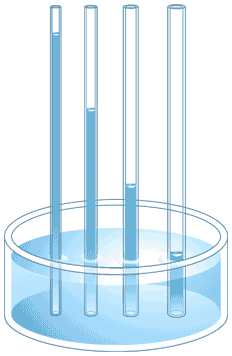
What is the term for water's ability to defy gravity and climb up a tube?
Capillary Action
Specific Heat
Universal Solvent
Magic
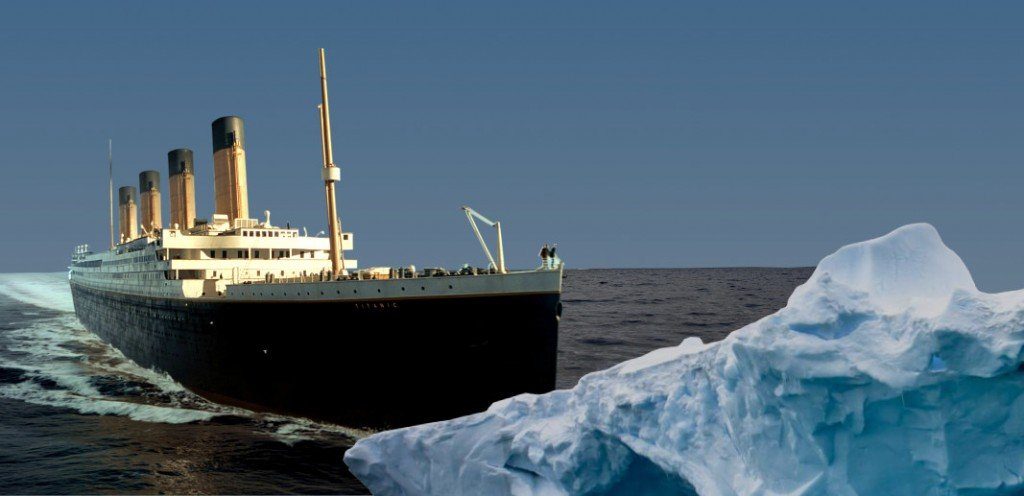
Why does ice float?
water expands when it freezes, making ice less dense than water
water compacts when it freezes, making ice more dense than water
hydrogen bonds in water push the ice to the surface
ice is afraid of water, and avoids it
Water is a (a) molecule due to it having a positive AND negative end.

What is the purpose of an experiment?
to communicate data
to test a hypothesis
to create a hypothesis

