
 Worksheets
CHEM CHO QUIZ 3 ACIDS, BASES & SALTS ( 12/01)
Total questions: 20
Worksheet time: 9mins
When ammonia gas is passed into hydrochloric acid, the resulting product is:
Ammonium hydroxide
Ammonium chloride
Ammonium sulfate
Ammonium nitrate
When hydrochloric acid reacts with a metal X, the product is the corresponding chloride. If X is magnesium, what is the balanced chemical equation for the reaction?
HCl + Mg → MgCl2 + H2
2HCl + Mg → MgCl2 + H2
HCl + Mg → MgCl + H2
HCl + Mg → Mg2Cl + H2
In the reaction between sulfuric acid and potassium hydroxide, the balanced equation is:
H2SO4 + KOH → K2SO4 + H2O
H2SO4 + 2KOH → K2SO4 + 2H2O
H2SO4 + KOH → K2SO4 + 2H2O
H2SO4 + 2KOH → K2SO4 + H2O
In the reaction between sulfuric acid and a base Y, if Y is calcium hydroxide, what is the salt formed in the reaction?
Calcium sulfate
Calcium nitrate
Calcium chloride
Calcium carbonate
The reaction between hydrochloric acid and potassium hydroxide results in the formation of:
Water
Salt and water
Salt, water, and gas
Salt and gas
If acetic acid reacts with a certain alcohol U, the product is a sweet-smelling compound commonly used in perfumes. If U is ethanol, what is the compound formed?
What is the pH of a solution if its hydrogen ion concentration is 1 x 10^(-3) M?
Identify the parent acids & bases of NH4NO3 (ammonium nitrate).
HCl & NH4OH
HNO3 & NH4OH
HNO3 & NaOH
CH3COOH & KOH
Which of the following is a property of salts?
The process of adding a base to an acidic solution to reach neutralization is called:
Neutralization
The reaction between an acid and a carbonate produces:
When ammonia reacts with hydrochloric acid, what is the nature of the resulting solution?
Acidic
Basic
Neutral
Amphoteric
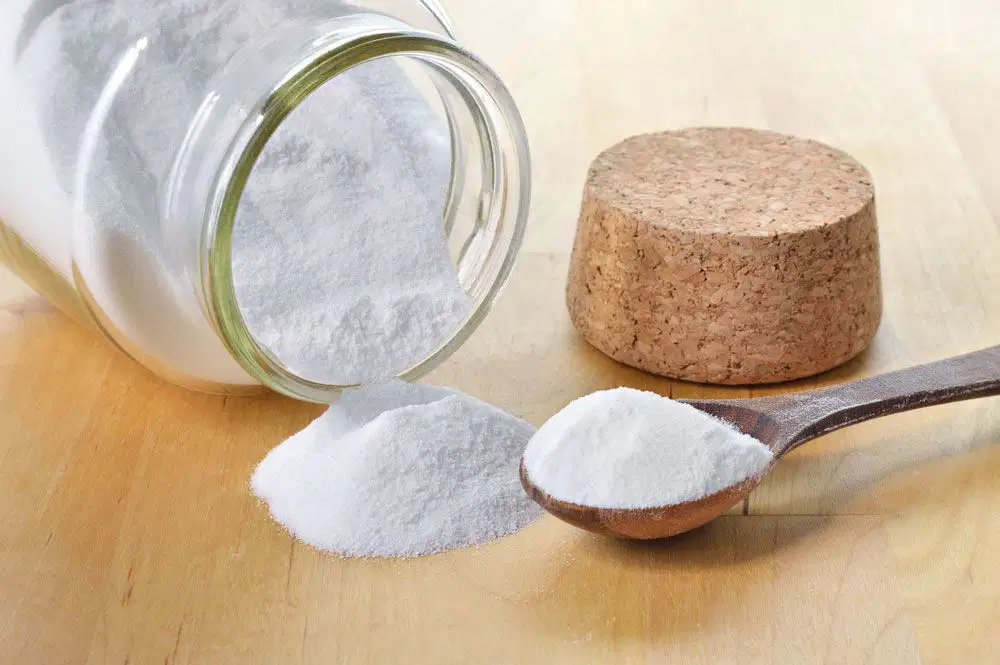
What is the common name for sodium bicarbonate?
bleaching powder
washing soda
The pH of a solution with a hydrogen ion concentration of 1 x 10^(-8) M is:
Which of the following is/are a general property/ies of bases?
bitter in taste
turns blue litmus red
slippery to touch
releases H+ ions in aqueous state
When acetic acid reacts with calcium carbonate, what is the gas evolved?
In the reaction between sulfuric acid and potassium hydroxide, if the concentration of sulfuric acid is doubled, what happens to the pH of the resulting solution?
Increases
Decreases
Remains the same
ecomes neutral
What is the pH of a solution obtained by mixing 50 mL of a solution with pH 2 and 50 mL of a solution with pH 10?
6
2
7
5
Which gas is evolved when hydrochloric acid reacts with manganese dioxide (MnO2)?
Oxygen
Oxygen
Hydrogen
Carbon dioxide
When nitric acid reacts with a metal Z, the gas evolved turns limewater milky. If Z is zinc, what is the gas formed?
H2
O2
NO2
CO2

