
 Worksheets
Design of Steel Beam Quiz 7
Total questions: 12
Worksheet time: 9mins
What are the different types of steel beams commonly used in construction?
A-beams, B-beams, and C-beams
I-beams, H-beams, and S-beams
1-beams, 2-beams, and 3-beams
X-beams, Y-beams, and Z-beams
Explain the advantages and disadvantages of using I-beams, H-beams, and S-beams in construction.
I-beams are only suitable for light loads and have a smaller profile
I-beams are efficient in carrying bending and shear loads, H-beams have higher load-bearing capacity and are more stable, S-beams are used for lighter loads and have a smaller profile.
H-beams are less stable and have lower load-bearing capacity
S-beams are more efficient in carrying bending and shear loads
How does the choice of steel beam type affect the overall structural design of a building?
It only affects the color of the building
It makes the building more prone to earthquakes
It affects the load-bearing capacity, span length, and overall stability of the structure.
It has no impact on the structural design
What is the concept of load and resistance factor design (LRFD) in the context of steel beam design?
A method that only considers the load factors for steel beam design
A design method that accounts for both the load and resistance factors to ensure the safety and reliability of steel beam design.
A method that ignores both load and resistance factors in steel beam design
A method that only considers the resistance factors for steel beam design
Explain the factors that are considered in load and resistance factor design for steel beams.
Material strength, load type, and safety factors
Speed, distance, and time
Color, temperature, and shape
Volume, weight, and density
What is beam deflection and how is it calculated in the design of steel beams?
Beam deflection is calculated by ignoring the material properties and only considering the applied load
Beam deflection is calculated by using the same formula for all types of beams, regardless of their dimensions
Beam deflection is not important in the design of steel beams
Beam deflection is calculated using the beam deflection formula, which considers the beam's material properties, dimensions, and the applied load.
Discuss the factors that can affect the deflection of steel beams under load.
Length, support conditions, and applied load
Material properties, cross-sectional shape,
Material properties, cross-sectional shape, length, support conditions, and applied service load
Material properties, cross-sectional shape, length, support conditions, and applied Ultimate load
What are the key design codes and standards that govern the design of steel beams in construction?
ACI and NDS
AISC and LRFD
ISO and ASCE
ANSI and ASTM
Explain the importance of adhering to design codes and standards in the construction industry.
Ensures safety, reliability, and quality of construction projects.
Increases the risk of accidents and structural failures
Saves time and money for the construction company
Allows for more creative and unique designs
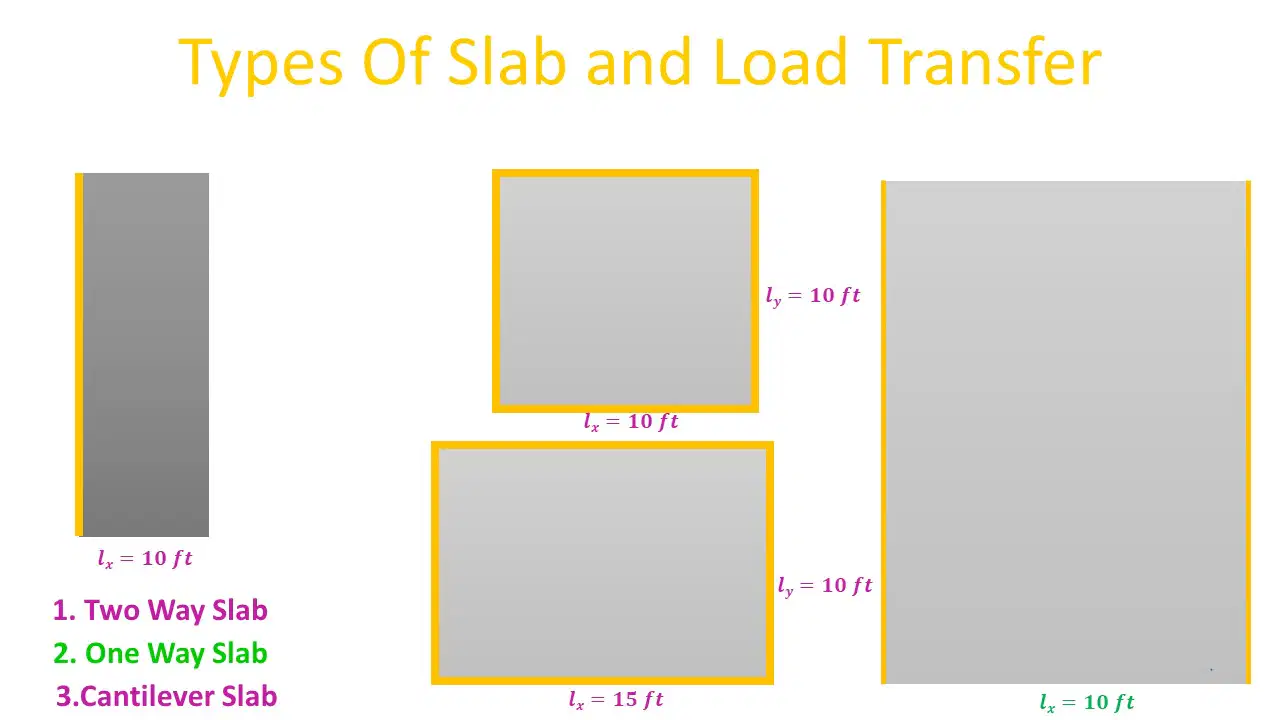
Identify type of slabs and Mark slab number at suitable place
Also Draw load patterns (UDL,VDL, and point load) in the diagram
How does temperature affect the performance of steel beams in structural applications?
Lower temperatures always improve the performance of steel beams
Higher temperatures can reduce the strength and stiffness of steel beams
Temperature only affects the appearance of steel beams
Temperature has no effect on steel beam performance
What role does the moment of inertia play in the design of steel beams?
It determines the beam's resistance to bending
It is only relevant for concrete beams
It has no significance in beam design
It only affects the weight of the beam

