
 Worksheets
Dr. Skaggs Unit 5 New South Review
Total questions: 33
Worksheet time: 20mins
Trial where a Northern Jewish pencil factory manager was accused of murdering 13 year old Mary Phagan.
Leo Frank Case
Disenfranchisement
Jim Crow Laws
Plessy v. Ferguson (1892)
Tom Watson was chosen as a 1904 vice-presidential candidate. Based on your knowledge of Watson and Populists, which of the causes would Watson have MOST LIKELY supported?
Civil rights leader and college professor who fought for immediate social and political rights for African-Americans or Blacks
Leo Frank
Booker T. Washington
W.E.B. DuBois
Alonzo Herndon
The US Supreme Court decision in Plessy v. Ferguson
allowed states to adopt grandfather clauses for voting
banned segregated schools
allowed the racial segregation of public facilities
banned Jim Crow laws
Founder of the Atlanta Mutual Life Insurance Company.
W.E.B. DuBois
Booker T. Washington
Leo Frank
Alonzo Herndon
Educator, author, political activist, and orator; promoted the idea that African-Americans or Blacks should pursue economic and educational endeavors before seeking social and political equality.
Booker T. Washington
Alonzo Herndon
Leo Frank
W.E.B. DuBois
What role did Alonzo Herndon play in the advancement of African Americans in the New South Era?
helping to grow Black business leaders in Atlanta.
Educating African Americans in the south.
What did Booker T. Washington believe was the best way to achieve equality?
education and economic self-reliance
To deprive a person the right to vote or rights of citizenship
Jim Crow Laws
Separate but Equal
Anti-Semitism
Disenfranchisement
Which prejudice held by southerners was represented in the conviction of Leo Frank for the murder of Mary Phagan?
48 hour riot in Atlanta caused by economic competition and false newspaper accounts of African-American or Black men attacking white women; several African-Americans or Blacks were killed during the riot.
Anti-Semitism
Atlanta Race Massacre (1906)
Plessy v. Ferguson (1892)
Separate but Equal
Laws created by state legislatures to deny African-Americans citizenship rights
Disenfranchisement
Separate but Equal
Jim Crow Laws
Anti-Semitism
What was the Bourbon Triumvirate's positive impact on Georgia?
Causing economic growth and industrial stagnation
infrastructure and public education
They helped improve railroad and coal industries
Supreme Court case that established the separate but equal doctrine thus promoting segregation
Jim Crow Laws
Plessy v. Ferguson (1892)
Atlanta Race Riot (1906)
Disenfranchisement
How did W. E. B. DuBois and Booker T. Washington differ?
Booker T. Washington started the NAACP to fight racism - W.E.B. DuBois did not.
W.E.B. DuBois started the Tuskegee Institute to end racism - Booker T. Washington did not.
W.E.B. DuBois wanted social and political rights immediately - Booker T. Washington did not.
W.E.B. DuBois proposed a cooperative approach to civil rights - Booker T. Washington did not.
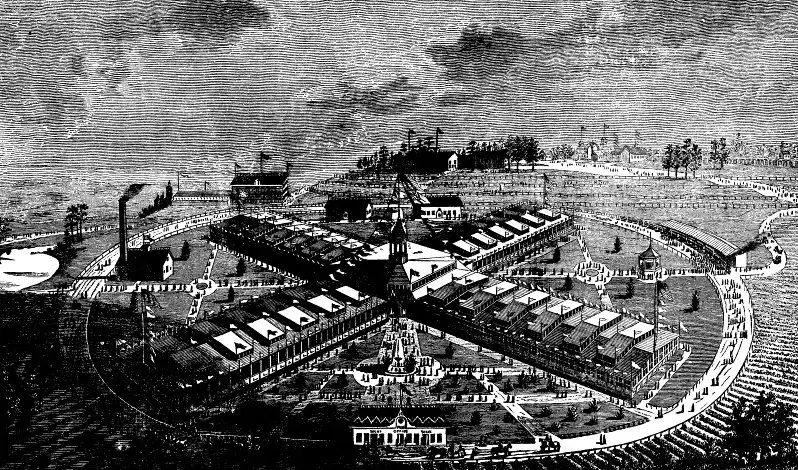
How did the International Cotton Exposition help shape the south?
Prejudice against Jews
Jim Crow Laws
Literacy Test
Anti-Semitism
Jim Crow Laws
Principle upheld in Plessy v. Ferguson (1896) in which the Supreme Court ruled that segregation of public facilities was legal.
Separate but Equal
Literacy Test
Plessy v. Ferguson (1892)
A test given to persons to prove they can read and write before being allowed to register to vote
Grandfather Clause
Poll Tax
Literacy Test
White Primary
A requirement that citizens pay a tax in order to register to vote
Grandfather Clause
Literacy Test
White Primary
Poll Tax
disenfranchisement law that said if a person's father could vote before the Civil War they would be able to vote as well.
Separate but Equal
Poll Tax
Grandfather Clause
Literacy Test
The Bourbon Triumvirate
1. Developed railroad and mining industries
2. Consisted of powerful political leaders in the post-Reconstruction era
3. _________________________________________
opposed New South industrial growth
supported the goals of the Populists
supported the interests of former plantation owners
opposed the segregation of public schools
How did Henry Grady impact life in Georgia in the nineteenth century?
He fought for the right of women to vote in state and national elections.
He helped Georgia become more industrialized by promoting the idea of a "New South."
He helped modernize the prison system in Georgia by speaking out against the convict lease system.
He cofounded an organization during the Great Depression that advocated for the spread of farmer's rights.
A leading figure in the People's Party, also known as the Populist Party, Tom Watson was chosen as the party's 1904 presidential candidate.
Based on your knowledge of Watson and Populists, which of the causes would Watson have MOST LIKELY supported?
Reducing government regulation
Lowering taxes to help poor farmers
Eliminating restrictions on immigration
Raising taxes to finance industrial expansion
What were the effects of Jim Crow laws?
Greater business opportunities for African Americans
Integration in public life
Segregation in public spaces and fewer rights for African Americans
Increased voting rights for African Americans
Which action was an effect of the U.S. Supreme Court ruling in Plessy v. Ferguson?
Many African Americans/Blacks became small-business owners.
Many African American/Black youths were required to work in the fields.
African Americans/Blacks were restricted from entering many public places.
African American/Black students had access to a college education for the first time.
Which of the following is an example of disenfranchisement?
Southern States used Jim Crow laws to increase the rights of African-Americans.
The Southern States used poll taxes and literacy tests to limit the voting rights of African Americans
The Southern States used racial violence to ensure that African-Americans remained sharecroppers
Southern States used the court decision in Plessy V. Ferguson to make separate but equal facilities.
Read the information and answer the question below.
White citizens of Atlanta were angered by newspaper reports of violence against white women
Mobs attacked African-American owned businesses.
At least 25 African-Americans were killed.
Led to more segregation in Atlanta.
What does this information describe?
1907 Disenfranchisement Act
1896 Case of Plessy V. Ferguson
1913 Leo Frank Case
1906 Atlanta Race Massacre
Which idea about African Americans/Blacks was MOST advocated by Booker T. Washington?
They should lead the efforts to promote the "New South."
They should promote their goals by joining the Populist Party.
They should work to acquire immediate social and political rights.
They should work to make economic contributions before demanding equal rights.
How did W. E. B. DuBois and Booker T. Washington differ?
W.E.B. DuBois wanted social and political rights immediately - Booker T. Washington did not.
W.E.B. DuBois proposed a cooperative approach to civil rights - Booker T. Washington did not.
W.E.B. DuBois started the Tuskegee Institute to end racism - Booker T. Washington did not.
Booker T. Washington started the NAACP to fight racism - W.E.B. DuBois did not.
What role did Alonzo Herndon play in the advancement of African Americans in the New South Era?
celebrating the contribution of Black soldiers to US efforts in World War I
fighting against the removal of Black legislators during Reconstruction
working as a leader of the Albany Movement to end racial segregation
helping to grow Black business leaders in Atlanta
Which statement best explains how Alonzo Herndon demonstrated the characteristics of entrepreneurship?
He avoided taking financial risks and relied on others to build his business.
He used his wealth to purchase land but chose not to expand into new businesses because it was risky.
He took financial risks by starting businesses that created jobs and opportunities for African Americans.
He inherited his business from his family and focused on maintaining it without change.
Many people believed that Leo Frank had been unfairly treated throughout the legal process. On what basis did people think that Leo Frank was treated unfairly?
He was Jewish.
He was from another state.
He was a factory superintendent.
He was African American

