
 Worksheets
Unit-3 Coasts
Total questions: 33
Worksheet time: 26mins
Why does the water move all the time?
tides
storm
waves
air
currents
How often does the level of the ocean rise?
once each day
twice each day
three times each day
twice each month
When the tide is in, it is called _________.
high tide
low tide
spring tide
ordinary tide
When the tide has gone out, it is called __________.
high tide
low tide
spring tide
ordinary tide
___________ occur twice each month when the Sun and the Moon are both on the same side of the Earth.
high tides
low tides
spring tides
ordinary tides
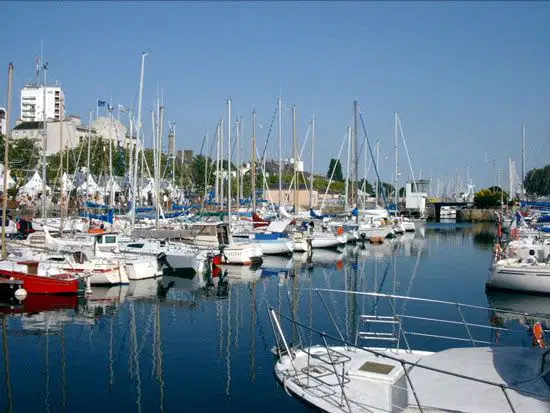
High tide brings deep water to (a) and ports so that large ships can sail in and out.
Tides are caused mainly by the pull of the ______.
The sun's gravity
The earth's gravity
The moon's gravity
_______ are big ripples of water caused by the wind.
Hurricanes
Tsunami
Waves
Currents
The highest part of a wave is known as ______.
crest
trough
wave
estuary
The lowest part of a wave is known as ______.
crest
trough
mouth
estuary
_________ are giant rivers of water moving slowly through the oceans.
waves
currents
wind
oceans
As the earth (a) on its axis, the part of the ocean facing the Moon bulges.
______ water sink to the bottom of the ocean.
Hot
Cold
Warm
When large waves reach the seashore, they can ____ pebbles and rocks.
deposit
hurl
surf
Cliffs along rocky coasts often have ______ shapes.
similar
usual
strange
terrible
What is the world’s biggest bay?
Oregon bay
Hudson Bay
Amazon Bay
Bay of Bengal
Which river has the world's longest estuary?
River Nile
River Amazon
River Ob
Yellow river
Soft rock such as c (a) and chalk may erode quickly.
Harder rocks such as g (a) wear away much more slowly.
A flat area that is left where the cliff once stood is called a w (a) .
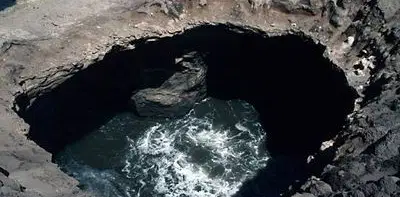
Waves may erode a hole in the roof of the cave called (a) .
(a) are the gently sloping areas of sand, pebbles at the edge of an ocean or sea.
The very large rocks called (a) have fallen from the cliff.
A place where the land meets the oceans and sea
(a)
the land along the coast
(a)
Coastlines change by the action of waves and (a) .
How many types of tide are there?
(a)

What is this coastal feature?
(a)
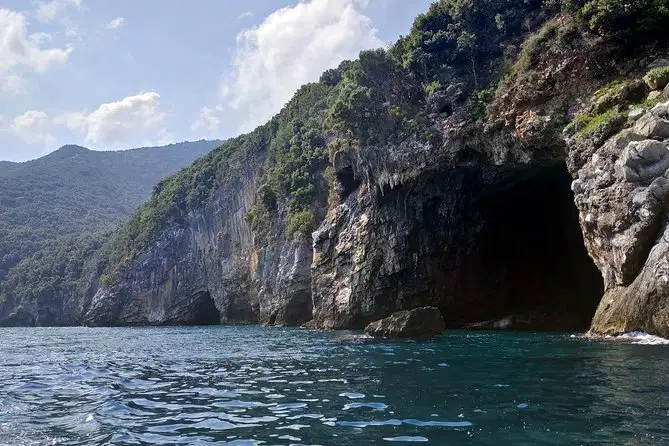
What is this coastal feature?
(a)
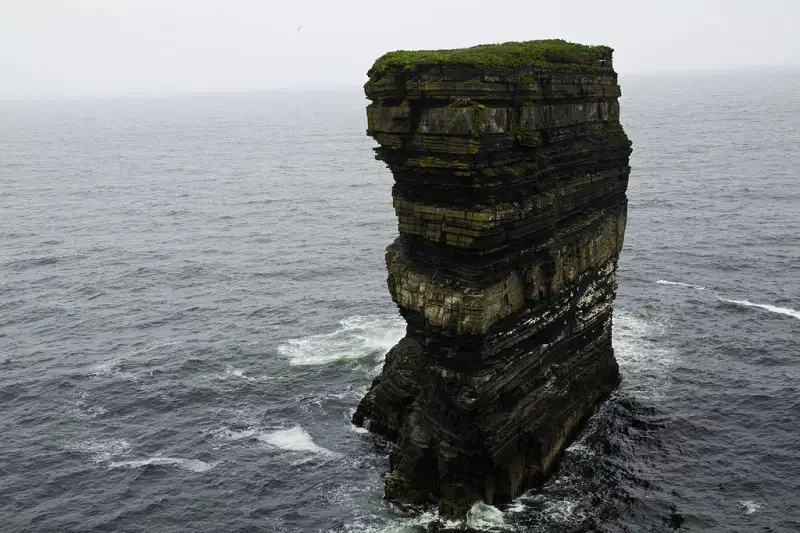
What is this coastal feature?
(a)
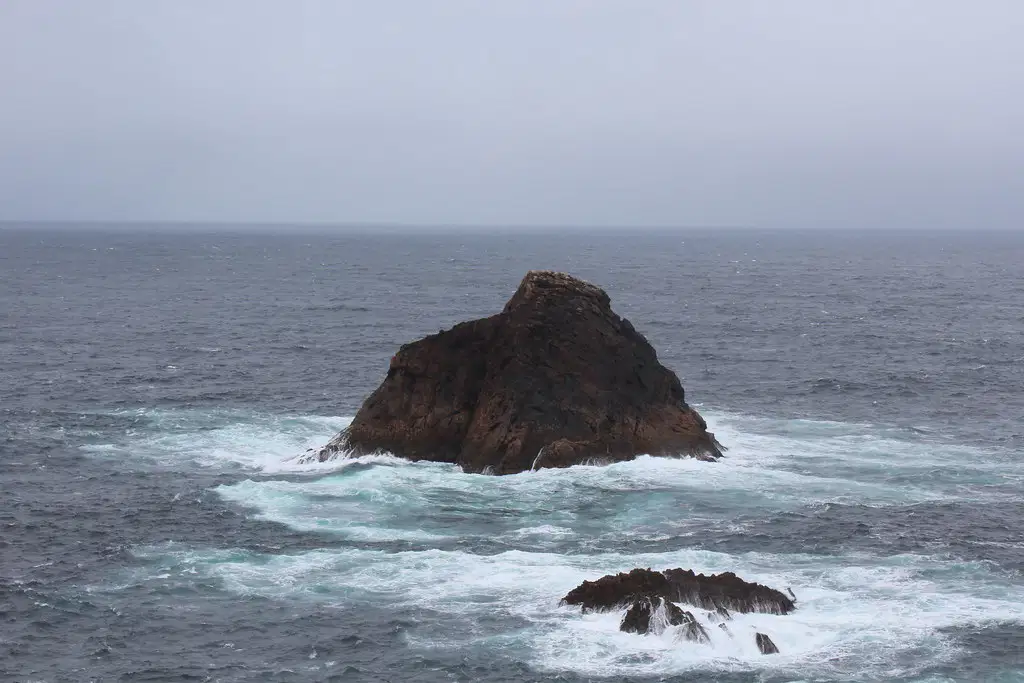
What is this coastal feature?
(a)
How are the sea structures formed? By (a)
Where is River Ob located?
(a)

