
NEW
Font size
 Worksheets
CHEM A U8 REVIEW: ELECTROSTATIC FORCES
Total questions: 14
Worksheet time: 12mins
Which refers to the temperature at which a substance will turn from liquid to gas?
Melting point
Vapor pressure
Boiling point
Surface tension
Which of the following is NOT a bulk property of matter?
Melting point
Boiling point
Kinetic energy
Surface tension
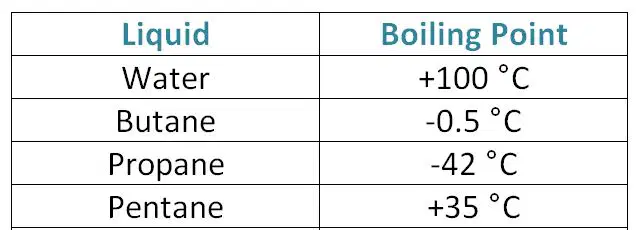
_____ has the weakest electrostatic forces between molecules.
Water
Butane
Propane
Pentane
_____ has the strongest electrostatic forces between molecules.
Water
Butane
Propane
Pentane
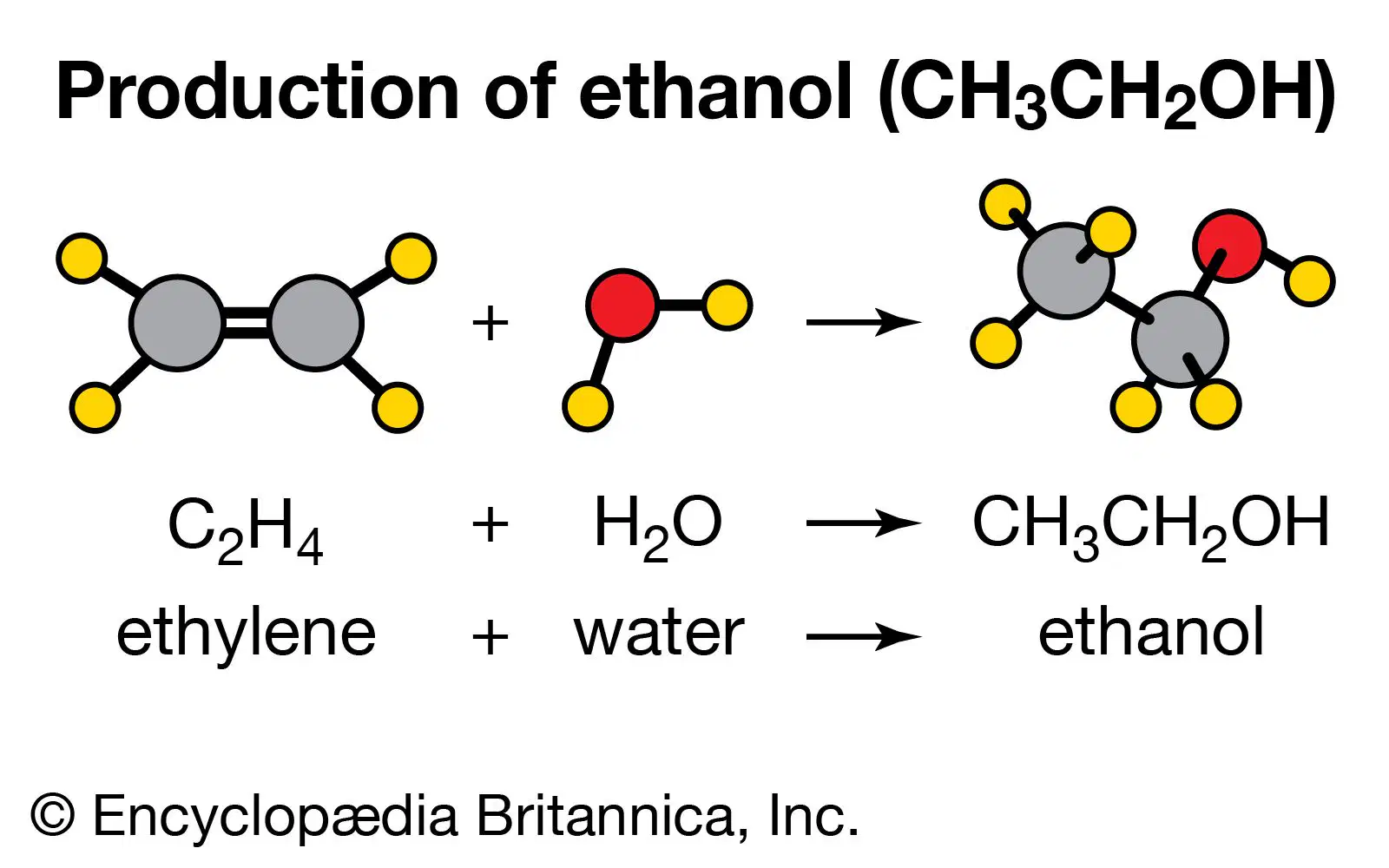
True or false: Substances have different boiling points due to differences in molecular structure.
True
False
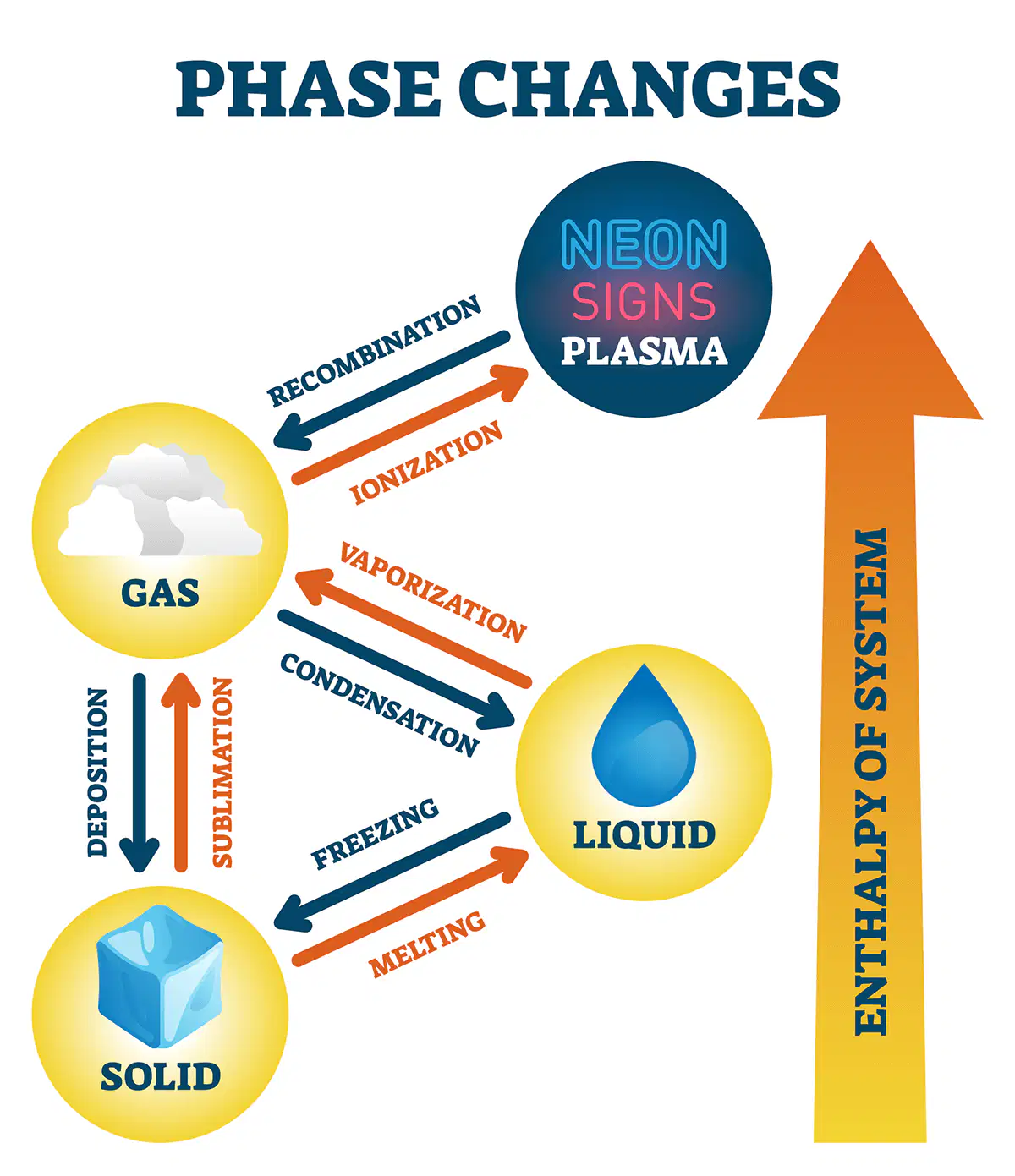
True or false: Gases have stronger electrostatic forces between molecules than solids.
True
False
True or false: Solids have stronger electrostatic forces between molecules than liquids.
True
False
7) The boiling point of ethanol is lower than the boiling point of water. Based on this information, which conclusion can be drawn about the two substances?
The intermolecular forces in ethanol are stronger than the intermolecular forces in water.
The intermolecular forces in water are stronger than the intermolecular forces in ethanol.
The intramolecular bonds in ethanol are stronger than the intramolecular bonds in water.
The intramolecular bonds in water are stronger than the intramolecular bonds in ethanol.

True or false: Molecules need low kinetic energy to vaporize.
true
false
Temperature is a measure of the average _____ of a substance's particles.
vapor pressure
surface tension
potential energy
kinetic energy
Sucrose melts at 185°C. Sodium chloride melts at 801°C. Based on this information, which conclusion can be drawn about the two substances?
The intramolecular forces in sucrose are stronger than the intramolecular forces in sodium chloride.
The intramolecular forces in sodium chloride are stronger than the intramolecular forces in sucrose.
The intermolecular forces in sucrose are stronger than the intermolecular forces in sodium chloride.
The intermolecular forces in sodium chloride are stronger than the intermolecular forces in sucrose.

What are isomers?
Molecules with different chemical formulas but the same structural arrangements
Molecules with the same chemical formula but different structural arrangements
Molecules with the same chemical formula and the same structural arrangements
Molecules with different chemical formulas and different structural arrangements
At high altitudes, why do liquids boil at a lower temperature?
Lower air pressure
Higher air pressure
Lower surface tension
Higher surface tension

When will a molecule have a dipole?
When charge is equally distributed amongst atoms
When charge is not equally distributed amongst atoms
When kinetic energy is equally distributed amongst atoms
When kinetic energy is not equally distributed amongst atoms

