
 Worksheets
Circulatory, Respiratory, and Digestive Systems
Total questions: 36
Worksheet time: 30mins


When the gasses are exchanged between the alveoli in the lungs and the capillaries, oxygen enters the blood stream. What happens with this oxygen?
Oxygen in the blood is delivered to the lungs to be exhaled.
Oxygen in the blood is delivered to the nose to be exhaled.
Oxygen in the blood is delivered to the tissues and cells of the body to help make energy.
Oxygen in the blood is a waste that needs to be removed from the boyd.
Which of these is the correct path of air?
Nose/mouth, bronchi, alveoli, trachea, bronchioles
nose/mouth, alveoli, bronchi, bronchioles, trachea
nose/mouth, bronchi, trachea, bronchi, alveoli
nose/mouth, trachea, bronchi, bronchioles, alveoli
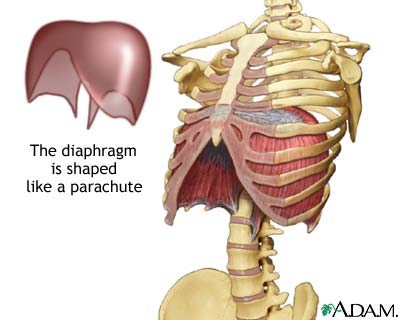
What is function of the dome-shaped diaphragm muscle?
This is where gas exchange happens.
Air passes through the diaphragm on the way to the lungs.
It attaches to the lungs and contracts and relaxes to help in breathing.
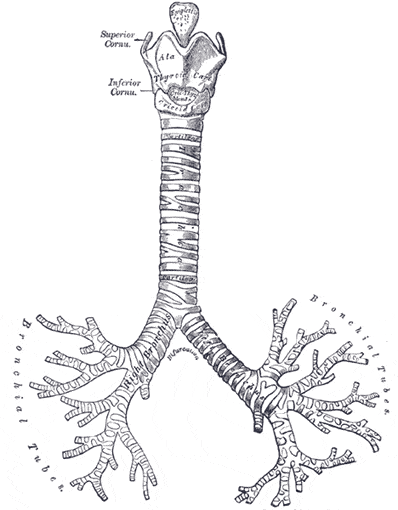
These are the two two main branches from the trachea (one to each lung)
bronchi
alveoli
capillaries
bronchioles

What part of the respiratory system is number 3?
Bronchi
Mouth
Nose
Trachea
Compared to inhaled air, exhaled air has LESS (a)
The circulatory system revolves around which organ?
heart
lungs
veins
instestines
Which type of blood vessel carries blood away from the heart?
arteries
ventricles
aorta
veins
Which of the following does the circulatory not consist of?
Heart
Lungs
Blood
Blood vessles
Running is an activity that causes the cells in the muscular system to use oxygen at a faster rate. Which system responds by delivering more oxygen to these cells?
digestive
nervous
circulatory
endocrine
What is the main function of the circulatory system?
secrete enzymes
digest proteins
produce hormones
transport materials

State the general relationship between exercise and heart rate in humans.
If a person exercises, then their heart rate will not change
If a person exercises, then their heart rate will increase
If a person exercises, then their heart rate will decrease
Person exercising and heart rate are not related
Delivers oxygen to your body cells. Made in bone marrow.
white blood cell
red blood cell
respiratory system
lungs
Small blood vessels that diffuse oxygen, carbon dioxide, and nutrients.
heart
arteries
veins
capillaries
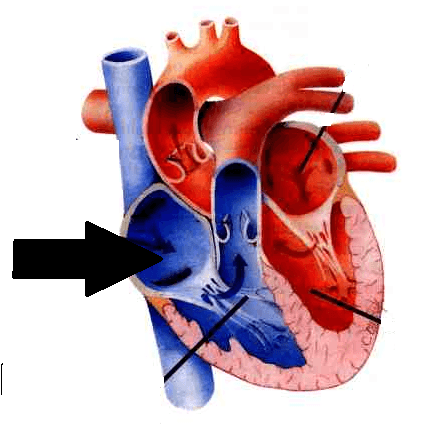
This chamber of the heart pumps the blood from the heart to the lungs through the pulmonary artery
Right Atrium
Left Atrium
Right Ventricle
Left Ventricle

The first stop of the blood in the heart is the...
Left Ventricle
Left Atrium
Right Atrium
Right Ventricle
__________are small, colourless cell fragments in our blood that form clots and stop or prevent bleeding.
Plasma
Red blood cells
platelets
capillaries
What carry blood from the body cells back to the heart. This blood contains waste materials.
Veins
Arteries
Capillaries
Vines

What is blood made of?
oxygen and plasma
red blood cells and white blood cells
plasma, red blood cells, white blood cells, and platelets.
plasma and platelets

Where does the process of digestion begin?
mouth
esophagus
stomach
small intestine
Where does the absorption of nutrients from food take place?
stomach
liver
small intestine
large intestine
What chemically breaks down food into smaller molecules?
teeth
muscles of the stomach
enzymes
Select the correct order of passage through the GI Tract
Mouth --> stomach --> esophagus --> large intestine --> small intestine
Mouth --> esophagus--> stomach --> large intestine --> small intestine
Mouth --> esophagus --> stomach --> small intestine --> large intestine
Stomach --> Small Intestine --> Large Intestine -->

Calories are
found in the earth's crust
one of the essentail nutrients our bodies need
a measure of heat energy in food
This system provides your body with nutrients.
excretory system
immune system
circulatory system
digestive system

