
 Worksheets
SOL 4.5 Solar System
Total questions: 50
Worksheet time: 57mins

Which phase of the moon is in the box?
New Moon
First Quarter
Full Moon
Last Quarter

What is the name of the moon phase pictured in the box?
First Quarter
Full Moon
New Moon
Last Quarter

Which phase of the moon is in the box?
First Quarter
Full Moon
New Moon
Last Quarter
What is the correct order of the planets in the Solar System, starting closest to the Sun?
Mars, Mercury, Earth, Venus, Jupiter, Saturn, Uranus, Neptune,
Mercury, Venus, Earth, Mars, Jupiter, Saturn, Uranus, Neptune
Mercury, Mars, Venus, Earth, Jupiter, Saturn, Uranus, Neptune,
Mercury, Venus, Earth, Mars, Jupiter, Neptune, Uranus, Saturn
Which planet is the largest?
Jupiter
Saturn
Neptune
Pluto
Which planet is farthest from the sun?
Pluto
Saturn
Uranus
Neptune
Choose the correct order of the first 4 planets
Mercury, Earth, Venus, Mars
Mars, Earth, Venus, Mercury
Mercury, Venus, Earth, Mars
Mercury, Mars, Venus, Pluto
Choose the correct order of the outer gas giants
Jupiter, Saturn, Uranus, Neptune
Jupiter, Saturn, Neptune, Uranus
Uranus, Neptune, Saturn, Jupiter
Jupiter, Saturn, Neptunr, Pluto

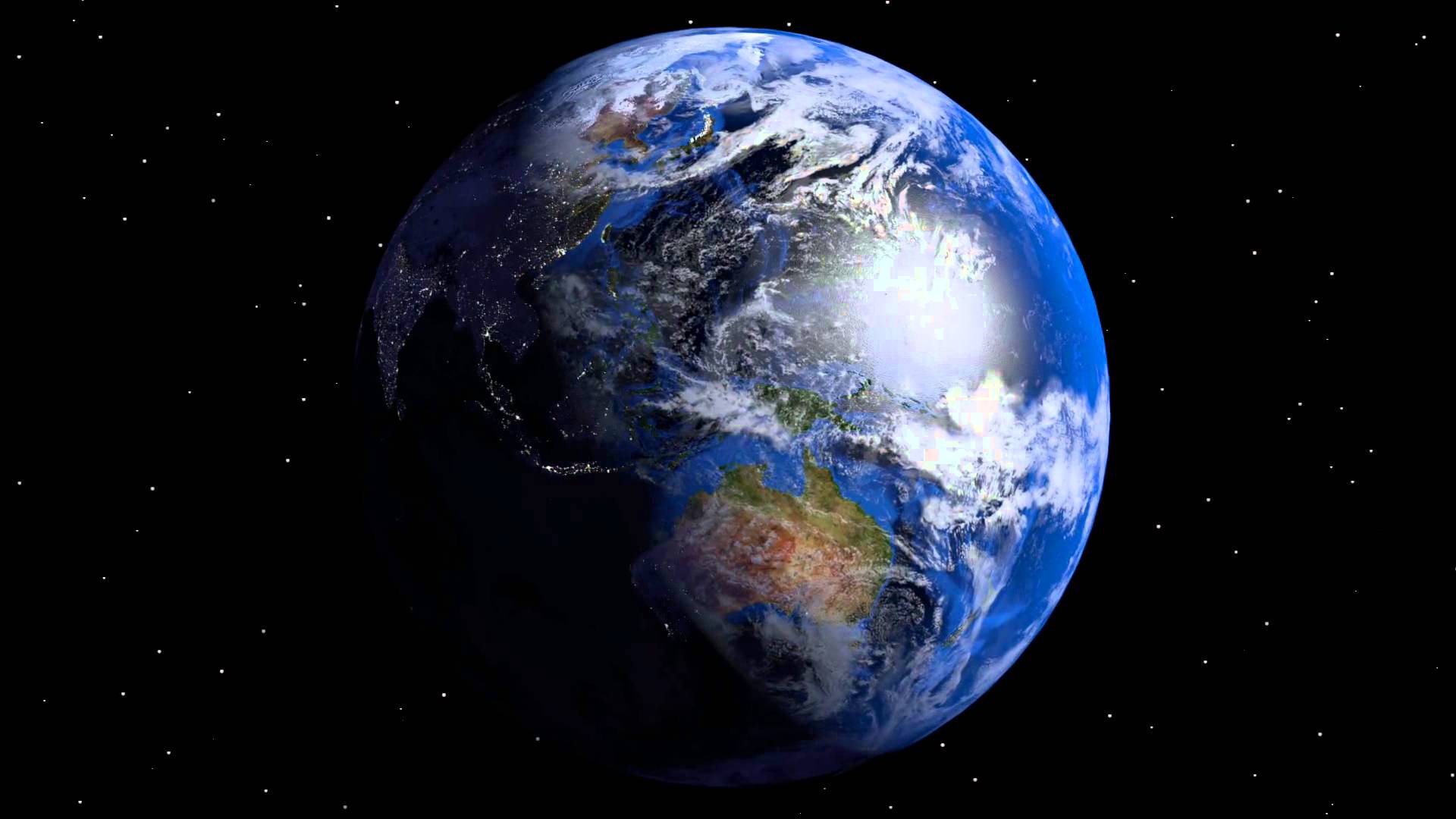
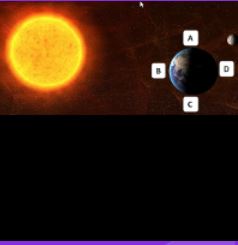
Which part of Earth is experiencing night?
A
B
C
D
What causes Earth’s seasons?
Earth’s distance from the Sun
The ocean
Earth’s tilted axis as it revolves around the sun
Fluctuating heat from the Sun
If its ____ in the Northern hemisphere, then its fall in the Southern hemisphere.
spring
summer
fall
winter


A
B
C
D

A
B
C
D
Seventh planet from the sun.
Pluto
Uranus
Saturn
Jupiter
Known as the red planet
Saturn
Mercury
Venus
Mars
What attracts a body toward any other object in space
the sun
satellites
gravity
astroid belt
Which of the following demonstrates how a rotating object spins.
spinning top
falling pebble
bouncing basketball
air hockey puck
What causes the changes from night to day on Earth?
Earth's tilt
Earth's orbit of the sun
The moon orbiting Earth
Earth rotating on its axis
How long does it take the moon to revolve around the Earth?
One season
one rotation of the moon
one Earth rotation
one Earth revolution
Do the inner or outer planets have more moon?
inner
outer
Are the inner or outer planets made up of mostly rock?
inner
outer
Do the inner or outer planets have rings?
inner
outer
Do the inner or outer planets revolve around the sun faster?
inner
outer
Which of the following is NOT a reason why Earth is the only planet with life as we know it?
It's atmosphere
It has water
It's distance from the sun
It's moon
What can transport rovers and people to planets and the moon?
spacecraft
probes
telescopes
airplanes
What is the second planet from the sun?
Mercury
Earth
Jupiter
Venus
How are galaxies classified?
location
size
shape
numer of planets
What causes Earth's seasons?
Earth's orbit
Earth's tilt on its axis
The moon
The speed in which Earth rotates

What type of moon is this?
new moon
full moon
waxing gibbous
waning gibbous

What kind of moon is this?
waning gibous
waxing gibbous
waning crescent
full moon

What kind of moon is this?
waning gibbous
waxing gibbous
waning crescent
waxing crescent
What helps scientists move telescopes in space, controls satellites, launches rockets and works aboard the ISS?
Hubble Space Telescope
Computers
Rovers
Deep Space Probes
What is a remote controlled vehicle that explores Mars?
Computer
Hubble Space Telescope
Rover
Deep Space Probe

