
 Worksheets
digestive system 1
Total questions: 132
Worksheet time: 1hrs 11mins
What carries food from the pharynx to the stomach?
larynx
trachea
esophagus
bronchioles
What type of digestion takes place in the stomach?
mechanical
chemical
both mechanical and chemical
Where does the process of digestion begin?
mouth
esophagus
stomach
small intestine
What enzyme is found in saliva that starts digesting carbohydrates?
amylase
chyme
pepsin
bile
Where does the absorption of nutrients from food take place?
stomach
liver
small intestine
large intestine
What makes the small intestine have such a large surface area?
21 feet long
villi
microvilli
all answers contribute
What part of the digestive system mechanically and chemically breaks down food?
mouth
stomach
both the mouth and stomach
What chemically breaks down food into smaller molecules?
teeth
muscles of the stomach
enzymes
What are the rhythmic muscular contractions of your esophagus called to help food move along?
swallowing
peristalsis
inertia contractions
paralysis
What does the pancreas do?
produces digestive enzymes to break down proteins and fats
produces sodium bicarbonate to neutralize stomach acid
regulates our blood sugar levels
all answers are correct
Where does the digestion of proteins take place?
Mouth and stomach
Stomach and small intestine
Mouth and small intestine
Mouth, stomach and small intestine
Where does the digestion of carbohydrates take place?
Mouth
Mouth and Stomach
Mouth and small Intestine
Mouth and large intestine
Stomach
Where does the digestion of lipids take place?
Stomach
Stomach and small intestine
Small intestine
Mouth, stomach and small intestine
Mouth and small intestine
What is the aim of the digestion?
Obtain matter and energy
Obtain nutrients from food and break it down into small molecules, which are then absorbed
Break down food into inorganic nutrients
Obtain nutrients form food and transport it to the cells
Where does the absorption take place?
Oesophagus
Stomach
Small intestine
Large intestine
Digestive tract
What are the two components of the gastric juice?
Pepsine and hydrochloric acid
Saliva and bile
Bile and hydrochloric acid
Amyase and hydrochloric acid
Which are the three juices released in the duodenum (small intestine)?
Bile, pancreatic juice and gastric juice
Bile, pancreatic juice and intestinal juice
Bile, gastric juice and saliva
Bile, intestinal juice and pancratic juice
Which are the nutrients digested in the mouth?
Carbohydrates and proteins
Proteins
Carbohydrates
Fats
All the abov
. Which are the nutrients digested in the stomach?
Carbohydrates
Proteins
Carbohydrates and proteins
Fats
All the above
Which are the nutrients digested in the small intestine?
Carbohydrates and proteins
Proteins
Carbohydrates, proteins and lipids
Lipids and proteins
Lipids
What is the enzyme contained in the saliva?
Amylase
Pepsine
Hydrochloride acid
Lipase
Where is the bile stored?
Liver
Gall bladder
Pancreas
Small intestine
Which is the nutrient that bile facilitates its digestion?
Proteins
Lipids
Carbohydrates
Protein and lipids
Where is the pancreatic juice released?
Small intestine
Stomach
Large intestine
Mouth
Where is the gastric juice released?
Stomach
Small intestine
Mouth
Large intestine
Where is the bile produced?
Liver
Pancreas
Salivary glands
Gall bladder
Where is the bile released?
Pancreas
Liver
Stomach
Small intestine
Mouth
Where is the intestinal juice secreted?
Small intestine
Stomach
Large intestine
Pancreas
What is the function of the villi?
To increase the absorption surface
To digest the last nutrients
To form feces
To comb the small intestine
What is the function of the large intestine?
The absorption of water and some vitamins, formation and storage of faeces
The absorption of nutrients
The digestion of fats
Transport the nutrients to the blood stream


Proteins break down to:
fatty acids
nucleic acids
amino acids
hydrochloric acids
Which of the following would be considered an essential nutrient?
fat
carbohydrates
proteins
fiber
sugar
Which of the following would not provide carbohydrates to the body?
bread
fruit
candy
chicken

What is this organ (the one in red)?
Pancreas
Kidney
Liver
Stomach
What is the process of wave-like muscle contractions that moves food through the digestive tract?
Pericardium
Peristalsis
Pepsin
Pericoronitis
Where does absorption primarily take place?
Stomach
Small intestine
Large intestine
Gall bladder
What is the term given to a ball-like mixture of food and saliva that forms in the mouth?
Peristalsis
Mucus
Epiglottis
Bolus
What is the acidic fluid that passes from the stomach following churning?
Bolus
Chyme
Hydrochloric acid
Enzymes

What are these structures call that are found on the lining of the small intestine?
Gallbladder
Villi
Sphincter
Duodenum
Where does the digestion of carbohydrates take place?
Mouth
Mouth and Stomach
Mouth and small Intestine
Mouth and large intestine
Stomach
Where is the bile stored?
Liver
Gall bladder
Pancreas
Small intestine
Where is the gastric juice released?
Stomach
Small intestine
Mouth
Large intestine
Where is the bile produced?
Liver
Pancreas
Salivary glands
Gall bladder
Which of the following is NOT a nutrient?
Fats
Water
Fiber
Vitamins
Enzymes are catalysts. What is a catalyst
speeds up a chemical reaction
slows down a chemical reaction
has no effect on a chemical reaction
it slows dow and speeds up a chemical reaction
what are enzymes made up of?
sugars
proteins
fats
fiblre
What are the functions of the digestive system?
digestion, absorption, elimination
ingestion, congestion, elimination
congestion, digestion, elimination
Where does most absorption of nutrients take place?
Stomach
Small intestine
Large intestine
Gall bladder
Where is bile produced?
Kidney
Pancreas
Liver
Small intestine
What are these structures call that are found on the lining of the small intestine?
Gallbladder
Villi
Sphincter
Duodenum
Which organ churns food and uses acid and enzymes to break down food?
stomach
esophagus
mouth
epiglottis
What is the function of the teeth and tongue
chemical digestion
break down food
mechanical digestion
they only chew food
Enzymes in your saliva help break down food, this is an example of ...
Mechanical digestion
Chemical digestion
This organ absorbs water from digested food
small intestine
stomach
villi
large intestine
This organ produces several enzymes that chemically break down food, food does not pass through this organ
liver
pancreas
gall bladder
stomach

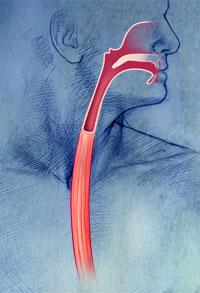
The muscular tube that moves food from the pharynx to the stomach?
esophagus
small intestine
stomach
mouth
What are the functions of the digestive system?
digestion, absorption, elimination
ingestion, congestion, elimination
congestion, digestion, elimination
Where does most absorption of nutrients take place?
Stomach
Small intestine
Large intestine
Gall bladder
Where is bile produced?
Kidney
Pancreas
Liver
Small intestine
What are these structures call that are found on the lining of the small intestine?
Cilia
Villi
Sphincter
Duodenum
Which organ churns food and uses acid and enzymes to break down food?
stomach
esophagus
mouth
epiglottis
What is the function of the teeth and tongue
chemical digestion
break down food
mechanical digestion
they only chew food
Enzymes in your saliva help break down food, this is an example of ...
Mechanical digestion
Chemical digestion
This organ absorbs water from digested food
small intestine
stomach
villi
large intestine
This organ produces several enzymes that chemically break down food and regulate blood sugar, food does not pass through this organ
liver
pancreas
gall bladder
stomach
The muscular tube that moves food from the pharynx to the stomach?
esophagus
small intestine
stomach
mouth
Which of the following answers correctly sequences the pathway food takes from the beginning to end?
mouth, esophagus, stomach, small intestine, large intestine
mouth, esophagus, stomach, large intestine, small intestine
mouth, stomach, esophagus, small intestine, large intestine
mouth, stomach, esophagus, large intestine, small intestine
The mouth carries out
mechanical digestion
chemical digestion
mechanical and chemical digestion
No digestion
Which of the following helps digest carbohydrates in the mouth...
salivary amylase
lysozymes
mucin
bolus


Which of the following correctly describes the purpose of digestion?
To break down complex food molecules into simple soluble molecules
To make complex food molecules from simple soluble molecules
To make use of simple soluble food molecules
To remove complex food molecules from the body
Large food molecules need to be broken down to be small enough to pass through cell membranes.
True
False
Which enzyme does the stomach produce?
amylase
lipase
maltase
protease
Where is the digestion of food completed?
liver
large intestine
stomach
small intestine
Why is the oesophagus muscular?
To break the food into even smaller pieces
To produce enzymes to digest food
To push food from the mouth into the stomach
To move the food back and forth in two directions
Where does carbohydrate digestion begins?
liver
mouth
oesophagus
stomach
Where does protein digestion begins?
large intestine
mouth
small intestine
stomach
Select all the enzymes present in the intestinal juice.
amylase
lipase
maltase
protease
Which of the following kills bacteria in the human alimentary canal?
gastric juice
mucus
pancreatic juice
saliva
Which of the following is not a final product of digestion?
Maltose
fatty acids and glycerol
amino acids
glucose
A part of digestive system that secretes bile for emulsifying fats
Liver
Lungs
Gall Bladder
Pancreas
Which organ stores bile?
stomach
gallbladder
pancreas
liver

At the end of the digestion process, protein will be broken down into
glucose
amino acid
polypeptide
glycerol and fatty acid
At the end of the digestion process, fat will be broken down into
fatty acid and glycerol
glucose
amino acid
fatty acid

Recall which part of the digestive system is indicated by the red arrow in the picture below.
Liver
Rectal Cavity
Small Intestine
Large Intestine
Identify what part of the digestive system is described in the following statement below.
"Stores food, and mixes it with gastric acid."
Oesophagus
Stomach
Rectal Cavity
Oral Cavity

Determine what is the labelled structure and explain its function.
Recall what mechanical digestion is.
Where you replace part of your digestive tract with complex machinery
The act of drinking special chemicals after a meal to aid your digestion
The process of physically breaking up food into smaller pieces
The process of converting large complex food molecules into simpler molecules
Cheese fondue is a popular dinner dish in some countries. In the small intestine, the fat from the cheese is converted into simpler fatty acids and glycerol.
Identify which type of digestion this is.
Mechanical
Chemical

Recall what type of molecule enzymes are.
Proteins
Carbohydrates
Nucleic Acids
Lipids
Recall what a biological catalyst is.
A substance that increases activation energy in cells
A protein that can slow a reaction
A substance that speeds up reactions in living things
A chemical that can react with a substrate
Recall why we need to break down macromolecules into monomers during digestion.
To allow the molecules to be absorbed
To release energy by respiration
To help the molecules move down the gut
To product heat to keep us warm

Recall what type of enzyme breaks down starch into sugars
Lipase
Protease
Amylase
Nuclease
Recall where in the body amylase digests carbohydrates.
Select ALL correct options
Small Intestine
Stomach
Mouth
Pancreas
Liver

Recall what kind of molecule starch is
Select ALL correct options
Lipid
Protein
Polysaccharide
Monosaccaride
Carbohydrate
Recall another name for digestion of macromolecules into smaller molecules.
Assimilation
Condensation
Hydrolysis
Absorption
Recall what lipids are.
Select ALL correct options
Fats
Carbohydrates
Sugars
Oils
Recall what molecules are formed when a lipid is hydrolysed.
Glycerol
Starch
Protein
Fatty Acids
Maltose

Explain why different digestive enzymes have different optimum pH values.

