
 Worksheets
World History: Chapter 5 Absolutism
Total questions: 77
Worksheet time: 28mins

Which of the following is NOT a trait/characteristic of absolute rulers.
They need to control the nobility
They want to build a large powerful army
They want to allow democratic ideas into society
They raise taxes to pay for expansion of their nations
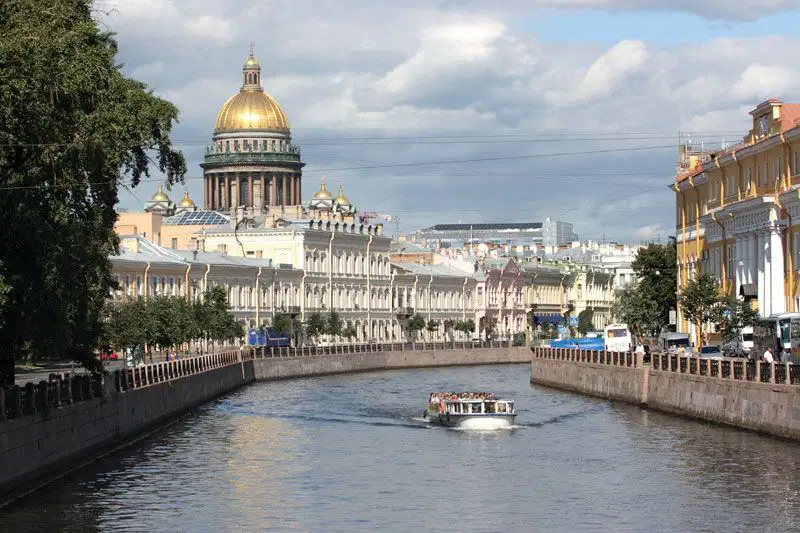
Peter the Great (of Russia) did which of the following to strengthen his country
Encouraged arts and literature
Named himself the Sun King
Built a warm water port
Took control of Portugal

Louis the XIV used Versailles to:
Impress the Catholic Church
Set up an art school
Train his military
Control the nobility
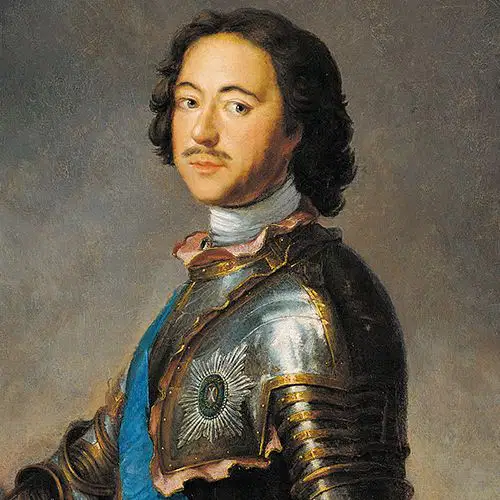
Peter I (of Russia) main goal was to
Make Russia great
Improve human rights
Train his military
Control the nobility

Maria Theresa became an absolute ruler because
She received no support or guidance from advisors or nobles
Her father demanded she be an absolute ruler
Her husband didn't want to be a ruler
None of these
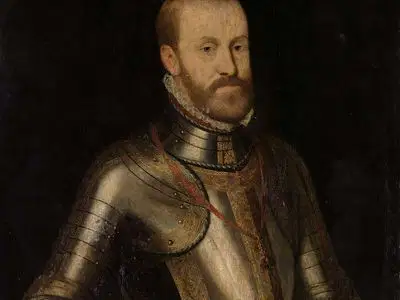
Phillip I (of Spain) was able to expand the lands controlled by Spain except in
Elections
Religious leaders decision
South America
Portugal

Most absolute rulers come to power because of
A nation's laws
Some type of crisis that they helped resolve
Elections
Religious leaders decision

Philip I (of Spain) lost control of what territory?
The Spanish Netherlands
Portugal
England
France

What made Russia different from Western and Central Europe?
Russians were Orthodox Christian; not Roman Catholic or Protestant
Serfdom and a very strong nobility (feudalism) was still in place.
Russia had not enjoyed a Renaissance period
All of these
None of these
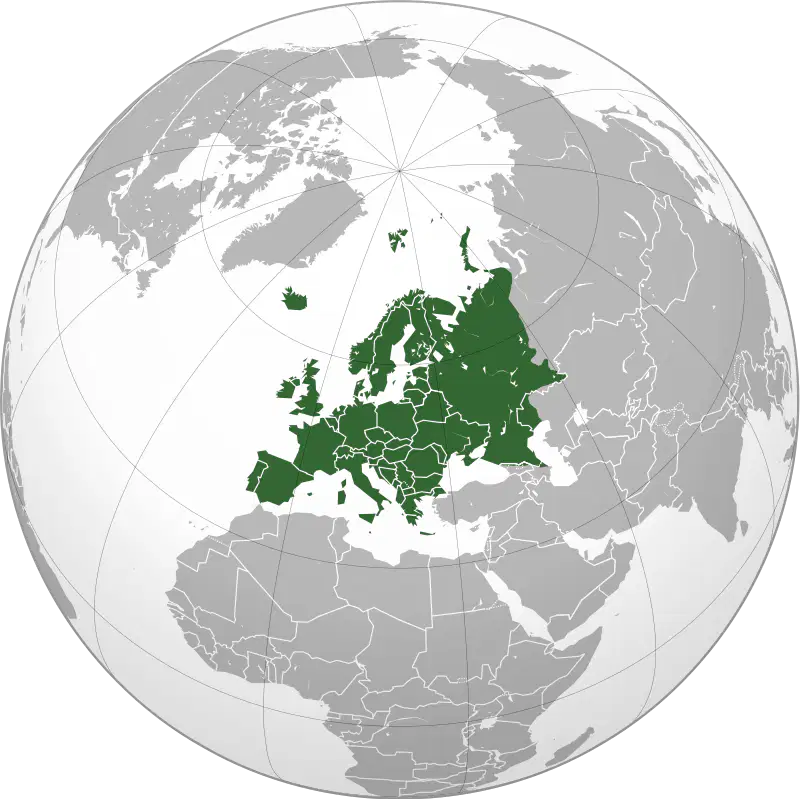
To get ideas to help make Russia stronger, where did Peter 1st travel to?
China
Persia
Europe
Egypt

Which of the following absolute rulers seemed least concerned about their country and more about themselves?
Maria Theresa (of Austria)
Louis XIV (of France)
Philip I (of Spain)
Fredrick I (of Prussia)
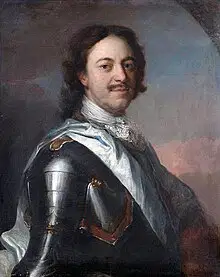
Peter the Great made which of the following changes to Russia
Reduced the power of the Orthodox Church and nobility
Seized land and built a warm water port
Forced western ideas and practices on the people
All of these

The Peace of Westphalia weakened which powerful European family
The Romanovs
The Habsburgs
The Cromwells
The Stuarts

Philip I (of Spain) and Louis XIV (of France) both ruled with the support of
The nobility
The bankers
The Church or church officials
None of These

The biggest control that Parliament wanted to have over English (kings) was
Control of courts
The ability to control taxes without their permission
Rights of common citizens
The election of new kings

Habeas Corpus gives people the right to
Freedom from unlawful search and seizure of their property
Be made aware of any charges against them and an explanation of why they are arrested
Protection from religious persecution
Revolt if they feel the government is unfair
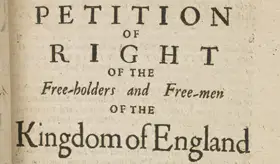
Which of the following were laws under the Petition of Right that Charles I (of England) agreed
Soldiers could not be housed in private homes
Martial law could not be imposed in times of peace
Increase in taxes required Parliament's approval
All of these
Which of the following happens to most absolute monarchs?
Their power declines because of economic and military problems
They are replaced by an elected leader
They are overthrown by the Church
They continue to rule as a family for several generations

A monarch who rules based on laws that limit their power is
Constitutional Monarchy
Absolute Monarchy
President
Dictator
Which of the following are English influences on the government of the United States?
Checks and balances
Control of Religion
Control of the Nobles
Control of the Press

A benefit of an absolute ruler could be
They raise taxes
They make all the rules
They provide calm and order to society
They take away rights and privileges

Which of the following often happens when an absolute ruler comes to power?
Arts and entertainment flourish
Individual rights increase
Crime rate increases
Schools banks are closed
The tension between Phillip of Spain and the Dutch was over
Religion
Taxes
The Court System
Both A & B
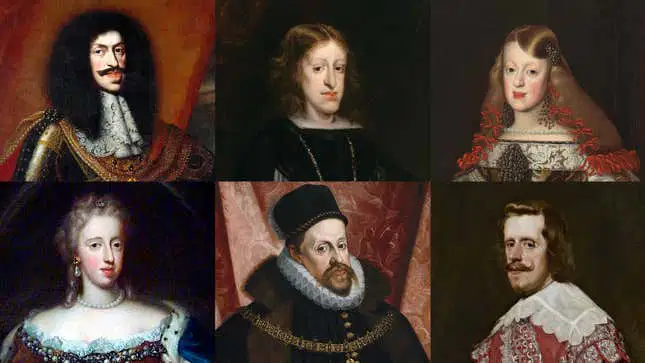
The Habsburgs played a big role in controlling
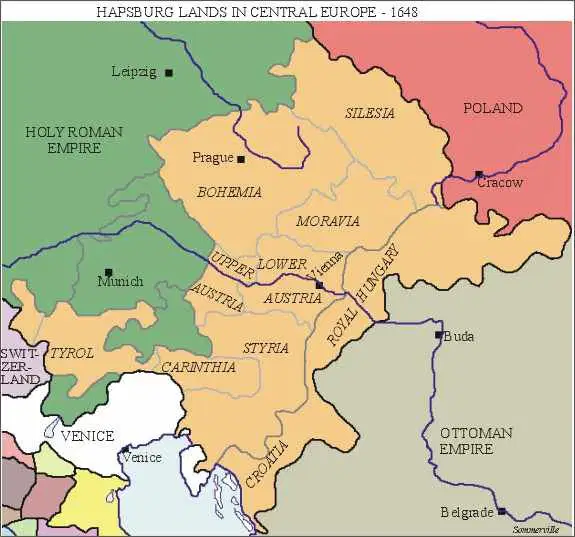
Austria and Hungary

France

England
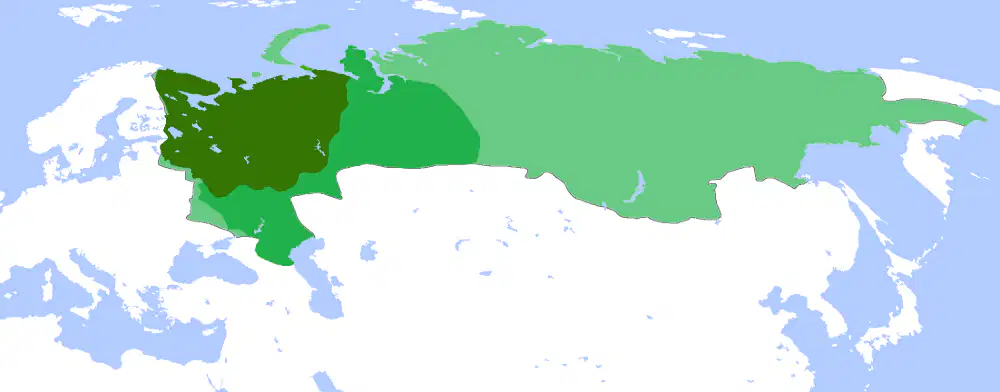
Russia

Fredrick the Great was able to defeat and take land from

Maria Theresa

Phillip I

Louis XIV

Peter the Great
What was the main reason for the decline of absolute monarchies?
Revolution by the people
Financial bankruptcy
Loss in wars
All of these
Which of the following was a common characteristic of absolute monarchs?
They often ruled with the support of the Church
They often ruled with the support of the military
They often ruled with the support of the nobility
All of these
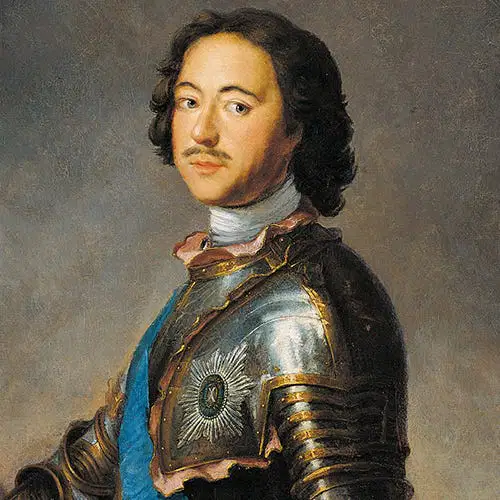
Which of the following absolute rulers is known for his efforts to modernize his country?
Peter the Great (of Russia)
Louis XIV (of France)
Philip I (of Spain)
Maria Theresa (of Austria)
What was the main reason for the rise of absolute monarchies?
Revolution by the people
Financial prosperity
Victory in wars
All of these
Which of the following absolute rulers is known for his efforts to suppress his country?
Peter the Great (of Russia)
Louis XIV (of France)
Philip I (of Spain)
Maria Theresa (of Austria)

What is Louis XIV often referred to as in history?
The Sun King
The Moon Emperor
The Star Monarch
The Cloud Sovereign
Which palace did Louis XIV expand and transform into a symbol of absolute monarchy?
Buckingham Palace
Versailles Palace
Windsor Castle
Alhambra Palace
Louis XIV is known for his famous statement, "L'État, c'est moi." What does it mean in English?
The state is separate
I am the state
The people are the state
The law is the state

During Louis XIV's reign, which powerful minister served as his chief advisor and implemented economic reforms?

What is the concept of "Divine Right of Kings" in monarchy?
The belief that kings derive their authority from the divine approval of religious leaders
The idea that kings have the right to rule based on their military prowess
The principle that kings are chosen by popular vote among the nobility
The notion that kings receive their authority directly from a higher power or deity

What event is commonly known as the Glorious Revolution, which took place in 1688 in England?
The War of Roses
The English Civil War
The Hundred Years' War
The overthrow of James II and the ascension of William and Mary

What significant event in 1588 is associated with Elizabeth I's reign and marked a decisive victory for England?
The Battle of Hastings
The War of the Roses
The Spanish Armada
The Battle of Agincourt

During Oliver Cromwell's campaign in Ireland, what city experienced a brutal siege leading to a massacre in 1649?
Dublin
Belfast
Cork
Limerick

What was the official title assumed by Oliver Cromwell during his period of rule in England?
King
Lord Protector
Prime Minister
Chancellor of the Exchequer
During Oliver Cromwell's Protectorate, what form of government was established in England?
Monarchy
Republic
Oligarchy
Theocracy

Which royalist stronghold did Oliver Cromwell famously capture, leading to the end of the English Civil War in 1646?
Oxford
Edinburgh
York
Newcastle

What did Oliver Cromwell dissolve, leading to the establishment of the Commonwealth of England, before eventually dissolving it himself in 1653?
The Royalists
The Long Parliament
The Short Parliament
The Rump Parliament
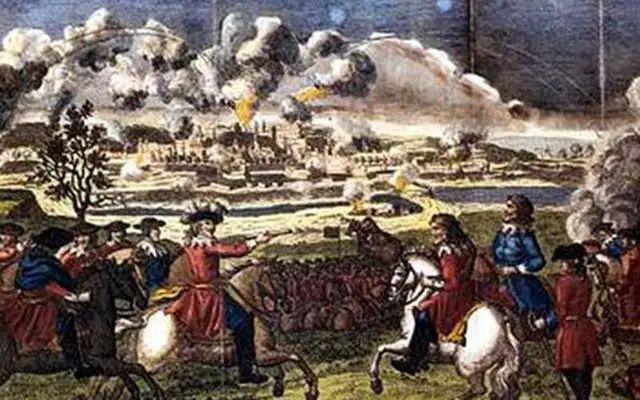
Oliver Cromwell's military campaign in Ireland resulted in significant consequences. Which event is associated with his actions in Ireland?
The Siege of Drogheda
The Battle of Naseby
The Treaty of Westminster
The Glorious Revolution

Which monarch, known for authorizing the King James Version of the Bible, ruled England in the early 17th century?
King Charles I
King James I
King Henry VIII
Queen Elizabeth I

King James I was the first monarch from which royal house to rule both England and Scotland?
Tudor
Stuart
Plantagenet
Hanover

What term is commonly used to describe the attempted bombing of the English Parliament in 1605, during King James I's reign?
The Gunpowder Plot
The Peasants' Revolt
The Black Death
The Spanish Inquisition

Which famous playwright was granted a royal patent by King James I, leading to the establishment of the King's Men acting company?
William Shakespeare
Christopher Marlowe
Ben Jonson
John Webster

King James I's reign saw the establishment of the first successful English colony in the Americas. What was the name of this colony?
Jamestown
Plymouth
Roanoke
Charleston
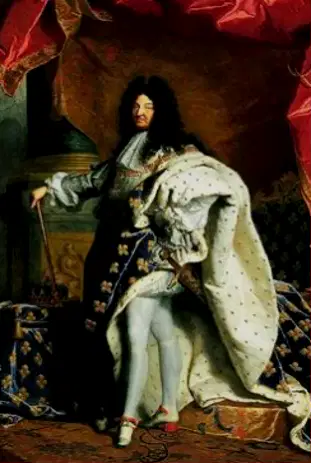

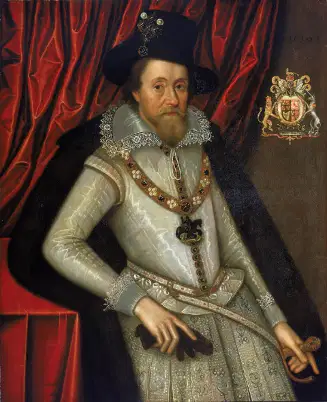
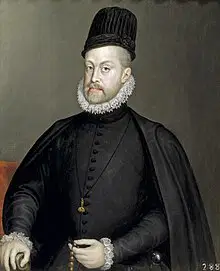
Spain’s King Phillip II claimed…?
he was the smartest and most capable to rule
divine right: his power came directly from God
moral responsibility for his people
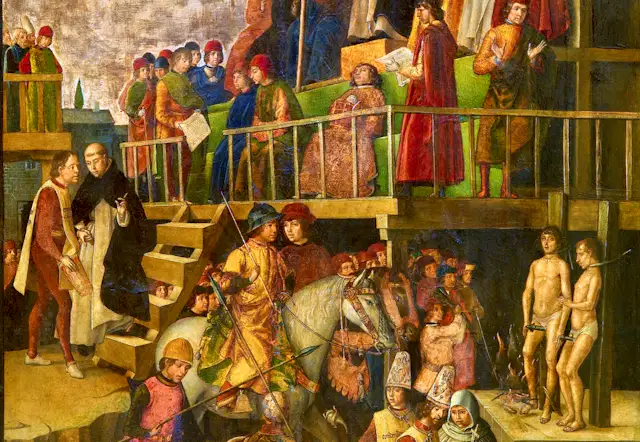
What did King Phillip II use in order to maintain power?
The Catholic inquisition

What is TRUE about England’s King Henry VIII?
He broke with the Catholic Church in order to get a divorce
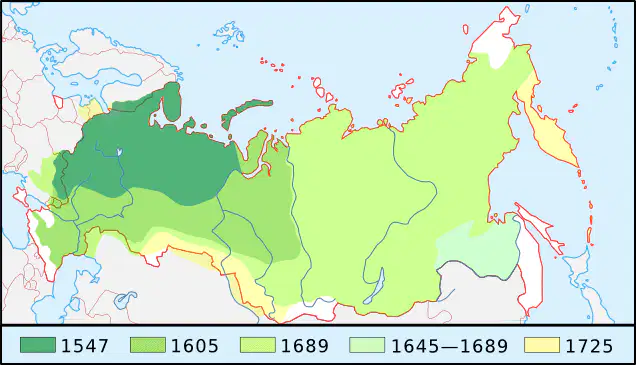
Peter the Great ruled over…?

Louis XIV could best be described as a(n)
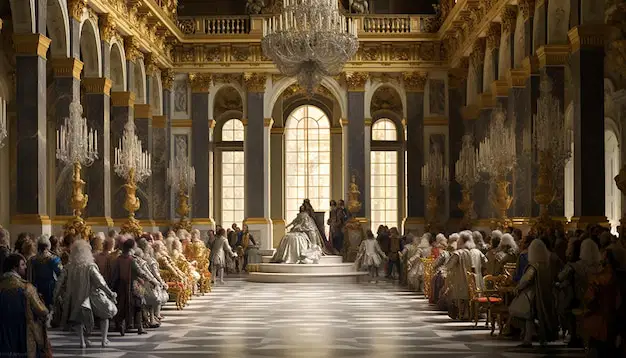
For Louis XIV, all events of the day like eating, dressing, and walking required…?
a ritual

People who wanted to speak to King Louis XIV could NOT…?
knock on his door
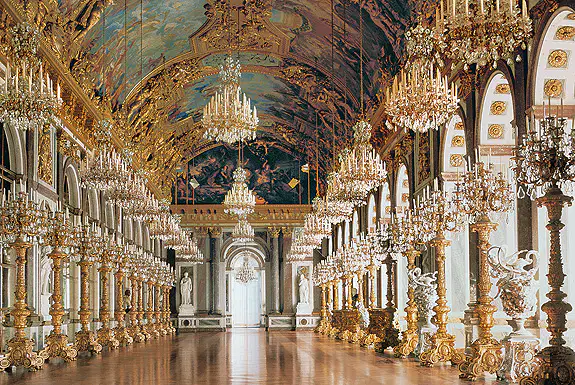
The image depicts….?
The Glass Hall
The Royal Chambers
The Hall of Mirrors
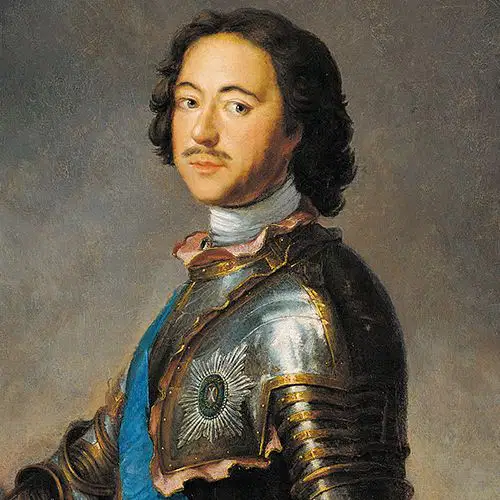
Peter the Great made it a law that all men must shave their beards.
True
False
IDK
None of These

Maria Theresa was...?
Maria Theresa was the Archduchess of Austria

Divine right means:
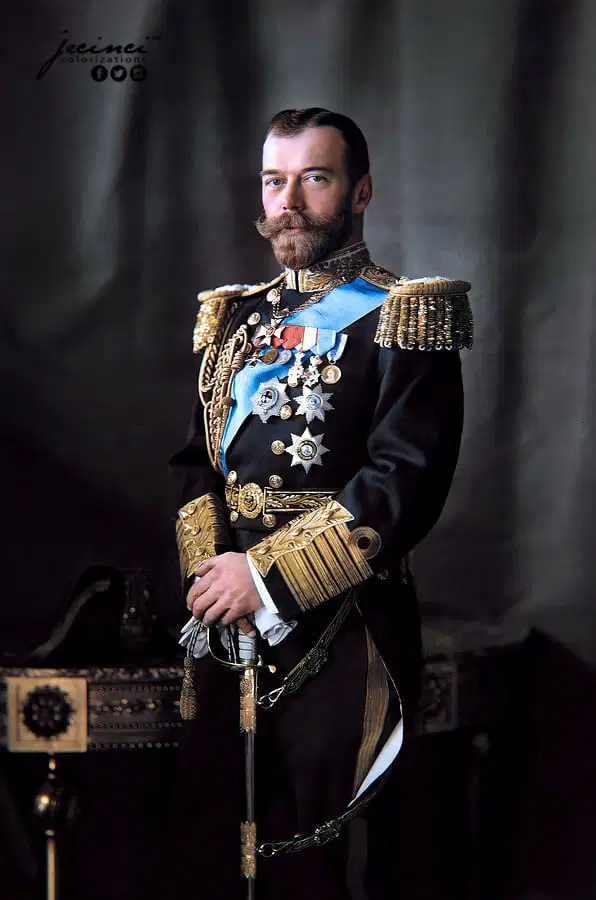
Tzar, is the Russian word for what?
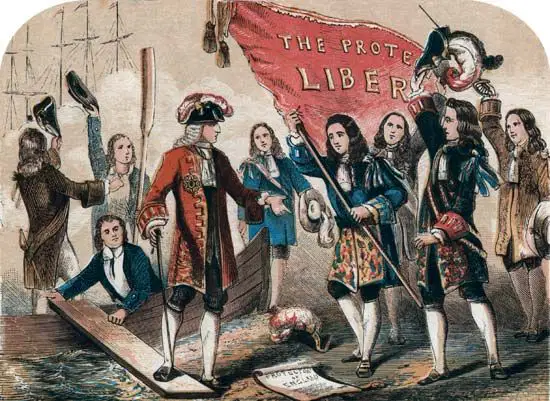
The Glorious Revolution is considered glorious because it was "peaceful"
True
False
IDK
None of these


Which monarchy started the Church of England and proclaimed himself the Supreme Head of the Church?
Phillip II
Henry VIII
Elizabeth I
Mary I
A form of government with unlimited power held by one individual
Democracy
Absolutism
Nationalism
Republicanism

