wayground logo

Free Printable Worksheets

Font size

S
M
L
XL
Worksheets

TEST 01 ENERGY SOURCES

Total questions: 84

Worksheet time: 58mins
Name
Class
Date
1.
When energy is generated from the burning of wood or other organic matter, we call it_______.
a)
Solar Energy
b)
Biomass Energy
c)
Thermal Energy
2.
Using the heat from the Earth to generate electricity would be called...
a)
Hydroelectric
b)
Biometric
c)
Geothermal
d)
Fossil Fuels
3.
These fuels are made from living things such as leaves, food wastes, and manure.
a)
geothermal fuels
b)
hydrogen fuels
c)
biomass fuels
4.
What do we call large areas of windmills?
a)
Wind farms
b)
Hurricanes
c)
Turbines
d)
Wind tunnels
5.
Trees, crops, garbage, & landfill gas are all examples of 
a)
Energy
b)
Biomass
c)
Heat
d)
Nuclear waste
6.
Energy that uses heat that comes from within the Earth is called
a)
Geophysical
b)
Geography
c)
Geothermal
d)
Geographic
7.
Solar energy is 
a)
Energy from the uneven heating of the earth.
b)
Energy from burning fossil fuels.
c)
Energy from the sun.
d)
Energy from turbines.
8.
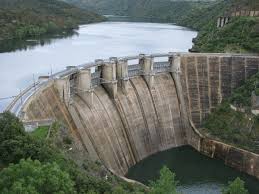
Which energy uses water held behind a dam?
a)
Geothermal
b)
Hydroelectric
c)
Nuclear
d)
Solar
9.
What is hydroelectric power?
a)
electricity produced by flowing water
b)
wind power
c)
energy from the sun
10.
What is energy from the sun called?
a)
solar energy
b)
nuclear energy
c)
hydroelectric power
11.
Which renewable resource gets its direct energy from the sun? 
a)
Geothermal
b)
Solar
c)
Wind
d)
Hydrogen
12.
What is a renewable resource?
a)
A resource you can reuse
b)
An object you cannot replace
c)
Fossil fuels
d)
polluted resources
13.
What is a non-renewable resource?
a)
Solar energy
b)
A resource that cannot be reused/ recycled
c)
Wind energy
d)
Biomass
14.
Most water pollution is the result of
a)
human pollution activities.
b)
drought.
c)
volcanic eruptions.
d)
storms.
15.
Pollution is__________
a)
People have contaminated, or dirtied an area with waste
b)
People have cleaned, or fixed up an area
c)
People have gathered, or collected the trash in the area 
16.
Coal, gas, and petroleum are all examples of...
a)
Recycled fuels
b)
Fossil Fuels
c)
Renewable fuels
d)
Fancy Fuels
17.
Solar energy is energy from the _____________.
a)
Moon
b)
Stars
c)
Wind
d)
Sun
18.
_____________ power is electricity produced by flowing water.
a)
Solar 
b)
Wind 
c)
Hydroelectric 
d)
water
19.
Thermal energy from Earth's interior is called____________ energy
a)
geothermal
b)
microthermal
c)
potential
d)
action
20.
Energy produced by burning organic matter such as wood, food scraps, and animal matter is called______________ energy.
a)
Biomass
b)
Thermal energy
c)
Solar
d)
Wind
21.
What are the two types of resources?
a)
Renewable and Non-renewable
b)
Wearable and Non-wearable
c)
Usable and Non-usable
d)
Useful and Non-useful
22.
Which energy source has the least negative environmental impact?
a)
Biomass
b)
Nuclear
c)
Natural Gas
d)
Solar
23.
All of the following are considered alternative energy sources EXCEPT –
a)
Wind
b)
Coal
c)
Biofuel
d)
Solar
24.

Which of the following energy sources is energy that comes from within the earth?

a)

Wind

b)

Solar

c)

Geothermal

d)

Biomass

25.

Which of the following energy sources is energy that comes from within the earth?

a)

Wind

b)

Solar

c)

Geothermal

d)

Biomass

26.

Which of the following are ways by which geothermal energy finds its way to the Earth's surface?

a)

volcanoes

b)

hot geysers

c)

hot springs

d)

mountains

e)

islands

27.

Which of the following renewable energy sources come from plants and animals?

a)

geothermal

b)

coal

c)

solar

d)

biomass

28.

What was the main source of energy for the world until the mid-1800's?

a)

wind

b)

solar

c)

geothermal

d)

biomass (wood)

29.

Solar energy is energy from what?

a)

The inside of the Earth

b)

The Sun

c)

Mars

d)

Any plant that has died in the past.

30.

The slow decay of radioactive particles in the Earth's core is the source for which type of renewable energy?

a)

biomass

b)

nuclear

c)

geothermal

d)

wind

31.

Which of the following is the largest renewable energy source in the United States today?

a)

Coal

b)

Natural gas

c)

Hydropower

d)

Wind

32.

Which of the following terms are part of the water cycle?

a)

Evaporation

b)

Digestion

c)

Condensation

d)

Precipitation

e)

Flammable

33.

Hydropower is produced by what?

a)

water

b)

wind

c)

moving water

d)

the Sun

34.

The uneven heating of Earth's surface by the Sun contributes to which of the following sources of renewable energy?

a)

Solar

b)

Geothermal

c)

Biomass

d)

Wind

35.

Which of the following renewable sources of energy has the least impact on the environment?

a)

Wind

b)

Biomass

c)

Water (hydropower)

d)

Solar

e)

Geothermal

36.

The amount of energy available from moving water is dependent upon which of the following?

a)

the volume of water

b)

the salinity of the water

c)

the change in elevation of the water

d)

the temperature of the water

37.
Which of the following is a fossil fuel?
a)
Wind
b)
Coal
c)
Solar
d)
Biomass
38.
Natural Gas is a __________ energy resource.
a)
Renewable
b)
Nonrenewable
39.
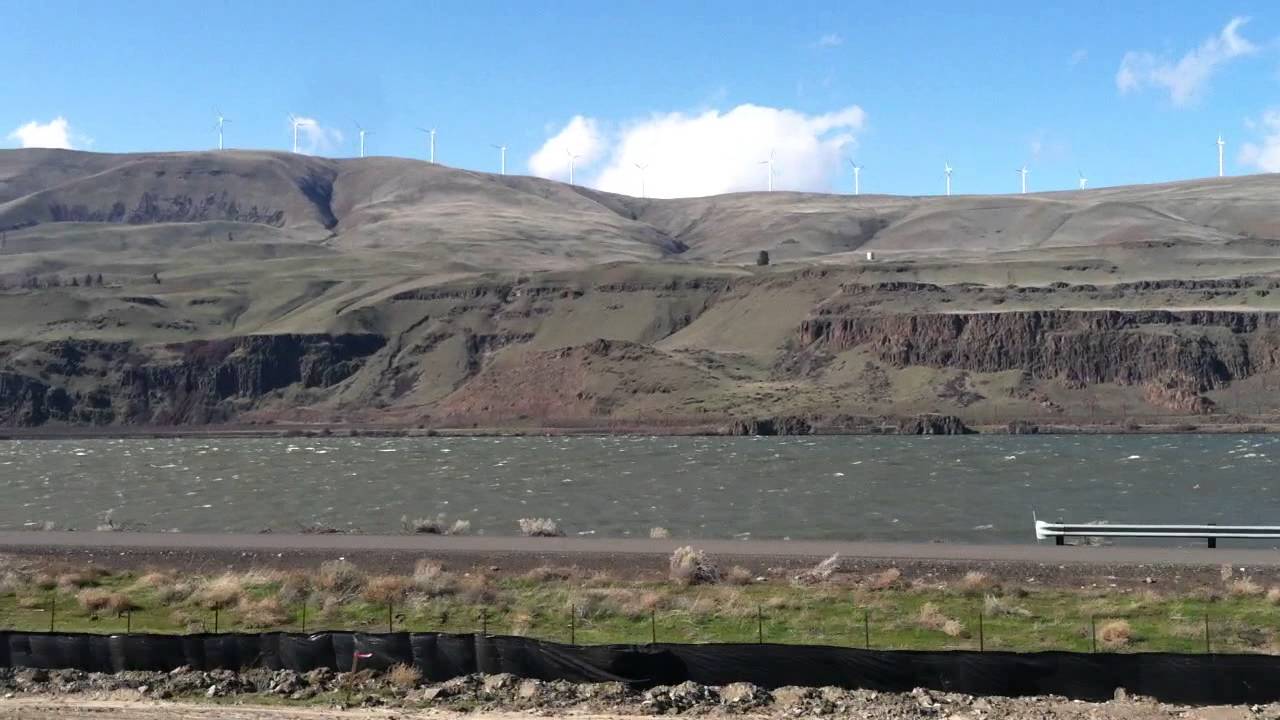
This Picture Represents Which Type of Alternative Energy?
a)
Wind
b)
Solar
c)
Hydroelectric
d)
Geothermal
40.
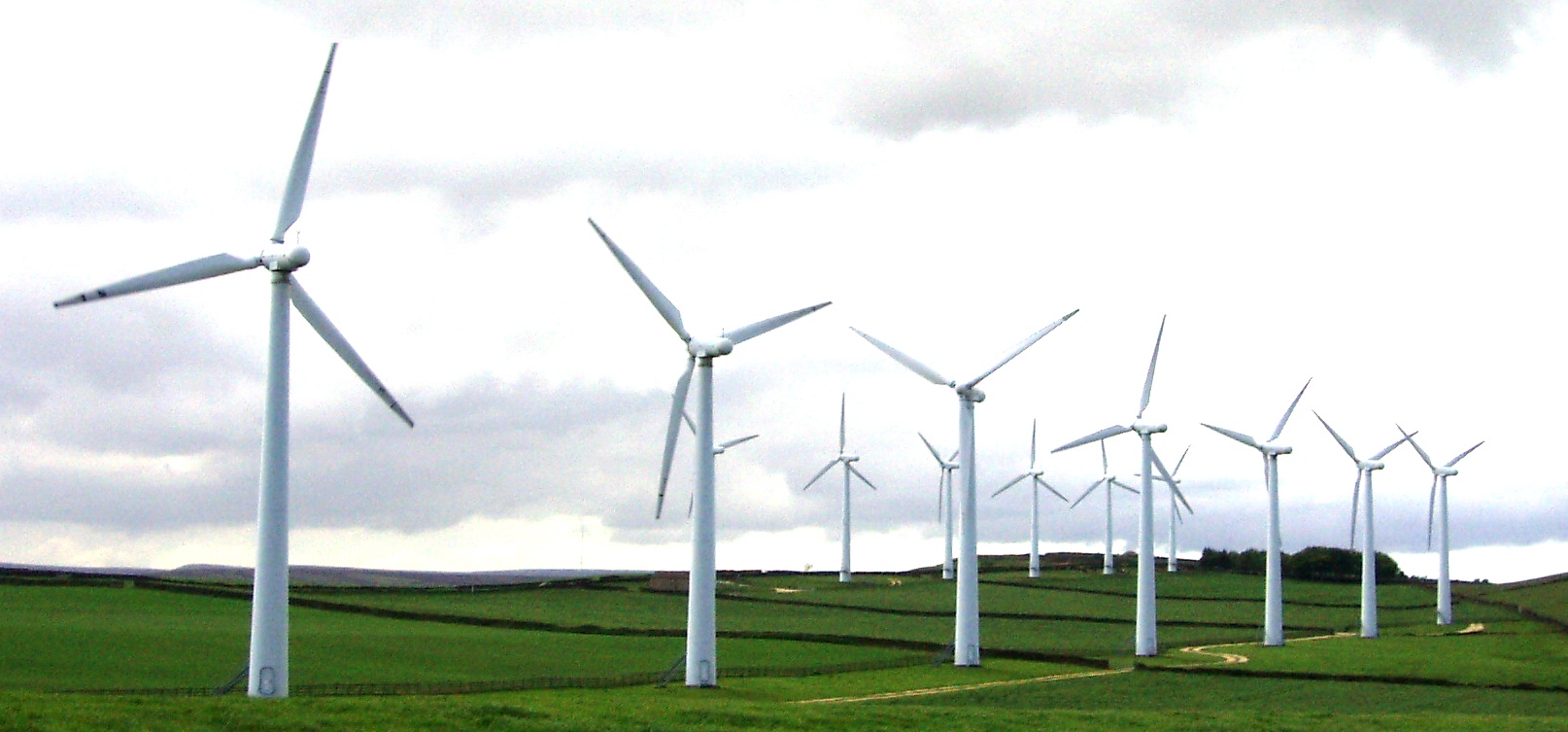
This Picture Represents Which Type of Alternative Energy?
a)
Wind
b)
Solar
c)
Biofuels
d)
Geothermal
41.
Which one of these is not renewable?
a)
Trees
b)
Wind
c)
Solar
d)
Uranium
42.
What is a disadvantage of renewable energy?
a)
Electricity is cheaper
b)
Third world countries can have more energy
c)
People are more independent
d)
Most sources are expensive to get started
43.
What is produced when light hits a solar cell/panel?
a)
electric current
b)
solar heating
c)
hydroelectric power
44.

which of the following is not a drawback of solar energy?

a)

sunlight does not have energy

b)

cost

c)

sun is not always out

d)

solar energy is diffuse and hard to collect

45.
When energy is generated from the burning of wood or other organic matter, we call it_______.
a)
Solar Energy
b)

Biofuel

c)

Geothermal Energy

46.
Using the heat from the Earth to generate electricity would be called...
a)

Water energy

b)

Biofuel

c)
Geothermal
d)
Fossil Fuels
47.
These fuels are made from living things such as leaves, food wastes, and manure.
a)
geothermal fuels
b)

fossil fuels

c)

biofuels

48.
What do we call large areas of windmills?
a)
Wind farms
b)
Hurricanes
c)
Turbines
d)
Wind tunnels
49.
Energy that uses heat that comes from within the Earth is called
a)
Geophysical
b)
Geography
c)
Geothermal
d)
Geographic
50.
Which energy uses water held behind a dam?
a)
Geothermal
b)

Water energy

c)
Nuclear
d)
Solar
51.
What is energy from the sun called?
a)
solar energy
b)
nuclear energy
c)
hydroelectric power
52.

What is used to describe a resource that can be replenished naturally over time?

a)

Energy Resources

b)

Nonrenewable Resources

c)

Fossil Fuels

d)

Renewable Resources

53.

Which of the following are characteristics of renewable energy resources? Select ALL that apply.

a)

cause pollution when burned

b)

cannot be replaced quickly

c)

do not pollute

d)

expensive to set up

e)

exists in an infinite supply

54.

Which of the following are sources of renewable energy? Select ALL that apply.

a)

wind

b)

water

c)

oil

d)

gas

e)

geothermal

55.

Which of the following are NOT sources of renewable energy. Select ALL that apply.

a)

Biofuel

b)

Natural Gas

c)

Solar

d)

Coal

e)

Nuclear

56.

What is the renewable source that produces energy from the sun?

a)

Hydroelectric

b)

Solar

c)

Biofuel

d)

Geothermal

57.

Identify a disadvantage (= nadeel) of using solar power as an energy resource.

a)

It causes pollution

b)

It is only available when there is sunlight

c)

It is nonrenewable

d)

It will not run out

58.

What energy resource produces energy from recently living organisms such as leaves or plants? These materials can be burned to release energy.

a)

Geothermal

b)

Solar

c)

Biofuel

d)

Fossil fuel

59.

Wind is able to turn turbine blades which spin an engin. The engin converts mechanical energy into electrical energy.

a)

True

b)

False

60.

Which energy resource would be most beneficial in an area that experiences hot summer days, little rain, and calm weather?

a)

Water

b)

Geothermal

c)

Solar

d)

Wind

61.

What are fossil fuels?

a)

Bones from animals that lived a long time ago.

b)

Liquids and gasses formed from dead plants and animals.

c)

A source of energy which can be quickly replenished.

62.

True or False. The burning of fossil fuels is the biggest source of carbon dioxide emissions.

a)

True

b)

False

63.

Where does coal come from?

a)

Water

b)

The sun.

c)

Fossilized plants.

d)

Plant waste

64.

The energy we use to function in our everyday lives can be classified as...

a)

Renewable or non-renewable

b)

Natural or non-renewable

c)

Renewable and Natural

d)

All of them

65.
Why is solar energy considered renewable energy?
a)
It's cheaper than fossil fuels
b)
The sun's energy would not run out for billions of years
c)
Solar energy recharges batteries
d)
All of them
66.

Renewable energy resources produce less_____________ than fossil fuels.

a)

pollution

b)

energy

c)

wind

d)

light

67.

What % of the energy in the WORLD comes from renewable energy? Guess!

a)

5.5%

b)

14%

c)

26%

d)

85%

68.
Natural Gas is a __________ energy resource.
a)
Renewable
b)
Nonrenewable
69.
Which is not an advantage of Wind energy?
a)
Land can be used for other purposes
b)
Can be quickly built; not too expensive
c)
Long operating life
d)
Danger to birds
70.

Which of the following energy sources are non-renewable?

a)

Wind power

b)

Nuclear power

c)

Solar power

d)

Tidal power

71.

Which one is not a fossil fuel?

a)

Coal

b)

Uranium

c)

Oil

d)

Gas

72.

Choose the non-renewable energy source.

a)

Geothermal power

b)

Nuclear power

c)

Tidal power

d)

Wave power

73.

Renewable energy sources are considered environmentally friendly because they:

a)

Produce greenhouse gases

b)

Use natural resources

c)

Don't pollute the atmosphere

d)

Are expensive

74.

What is the main advantage of a renewable energy source?

a)

They won't run out

b)

They run out

c)

They pollute the atmosphere

d)

They are limited in quantity

75.

What makes nuclear power a non-renewable energy source?

a)

It is expensive to build nuclear plants

b)

It produces radioactive waste

c)

It relies on the sun's energy

d)

It will run out

76.

Which of the following is a renewable energy source that captures energy from the sun?

a)

Geothermal Power

b)

Solar power

c)

Tidal power

d)

Coal

77.

What is a disadvantage of non-renewable energy sources?

a)

They won't run out

b)

They will run out

c)

They don't pollute the atmosphere

d)

They are sustainable

78.

Which energy source is both renewable and generates power from the movement of water?

a)

Biomass

b)

Geothermal power

c)

Tidal power

d)

Natural gas

79.

Wave power is a renewable energy source?

a)

True

b)

False

80.

Which is not a non-renewable energy source?

a)

Wind power

b)

Natural gas

c)

Hydroelectric power

d)

Solar power

81.

What is an advantage of renewable energy sources?

a)

They produce pollution

b)

They will run out

c)

They don't produce pollution

d)

They are more expensive

82.

Identify the renewable energy source that relies on the heat from the Earth's core.

a)

Geothermal power

b)

Nuclear power

c)

Wave power

d)

Coal

83.

Which of the following is an example of a non-renewable energy source?

a)

Biomass

b)

Tidal power

c)

Oil

d)

Solar power

84.

Renewable energy sources are?

a)

Limited

b)

Sustainable

c)

Polluting

d)

Not new