
 Worksheets
End of Unit - Computer Systems
Total questions: 70
Worksheet time: 35mins


A computer system is:
An electrical device
An input device
hardware and software working together
input and output working together
This type of computer can be worn.
Embedded
Mini
Wearable
PDA
Application software is...
help the user run specific tasks like word processors, web browser, email, clients, games, etc
run tasks like the operating systems, utilities, etc
help the user run things down
run tasks like the doing my homework, revision, etc
What runs tasks like the operating systems, utilities, etc
Embedded systems
Application software
System software
Dedicated systems
The Brain of the Computer...
Central Processing Information
Central Processing Unit
Centrel Processing Unicorn
Central Processing Chip
The five parts to the CPU are:
transistors, processing things
Control Unit, Arithmetic Logic Unit, Cache, Clock, Buses
Power supply, fan
CU, ALU, Cache, Clock, Buses, Registers
The CPU carries out instructions, one after another, billions of times a second is known as...
The Fetch-Execute Cycle
The Fetch-Decode-Execute Cycle
The Fetch-Breakdown-Execute Cycle
The Fetch-Breakdown-Sign out Cycle
RAM is
Volatile
Non-Volatile
A CD ROM is
a magnetic storage device read by magnetised read-write head
a magnetic storage device read by magnetised read-write head
a magnetic storage device read by a laser beam
an optical storage device read by a laser beam
Which of the following is an output device?
A laser printer
A scanner
A joystick
A lift button
What is the purpose of the CPU?
To create data
To store data
To process data
To delete data
What does the control unit do?
It holds the data and programs that the CPU currently needs
It controls and monitors communications between the computer and any hardware attached
It carries out calculations and logic operations
It controls and monitors communications between the computer and external services
How many instructions can a CPU process at a time?
one
two
many
it does not process instructions
What is clock speed measured in?
Cycles per minute
Cycles per second
Cycles per hour
Cycles per 2 hours
RAM stands
Random Access Memory
Random Account Memory
Random Allowance Memory
Random Access Mirrors
ROM stands
Read on-access Memory
Read Only Memory
Read on Memory
Read on and off Memory
RAM is a fast temporary type of memory in which programs, applications and data are stored.
True
False
RAM is sometimes called primary memory.
true
false
What number system do computers use?
Binary
Decimal
ASCII
Denary
The binary number 1010, converted to denary (decimal) is
2
3
10
18
The binary number 0001 0001, converted to denary (decimal) is:
3
17
101
10, 001
Can you pick the most suitable storage device for Mark, who is 35 years old, Graphic Designer Job, needs unlimited storage to store all his graphic design work and needs to be able to access it as and when required.
Cloud Storage
USB / FLASH DRIVE
Optical drive
SD Card
What is meant by hardware?
Machines
Physical Components
Control System
Monitoring System
I am the main circuit board in a computer what am I?
Hard Disk Drive
CPU
Graphics Card
Motherboard
I can read information of optical discs. What am I?
Hard Disk Drive
CPU
Optical Drive
Graphics Card


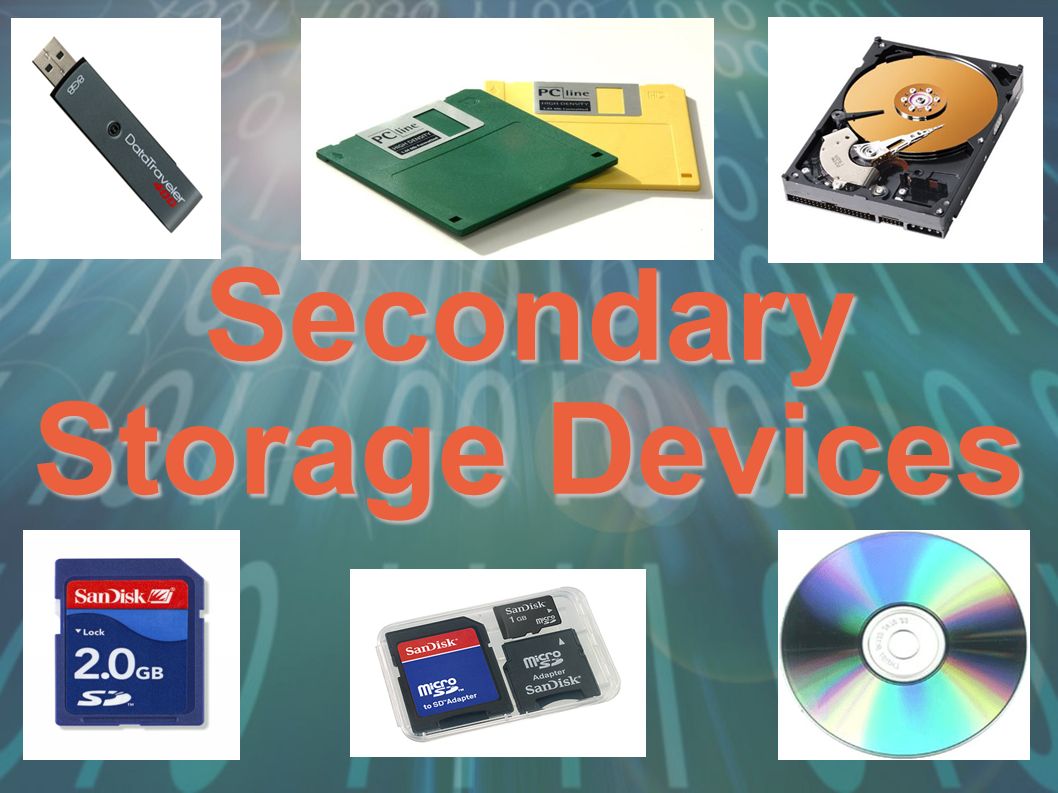
Secondary storage devices can be grouped into three categories - what are they?
Magnetic, Flash and Optical
Magnetic, Optical and Solid State
Solid State, Flash and Hard Drives
Hard Drives, CDs and USBs
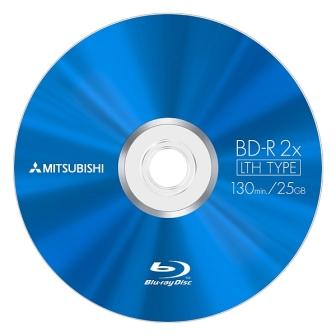
What category of storage is a Blu-Ray disk?
Magnetic
Optical
Solid State
Primary memory
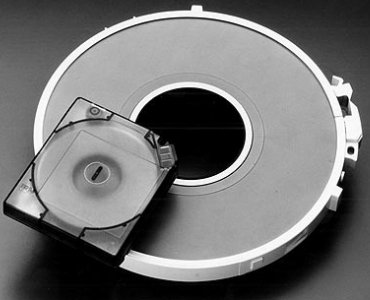
Magnetic tape storage is what kind of device...
Solid state memory
Optical storage
Magnetic storage
Primary memory
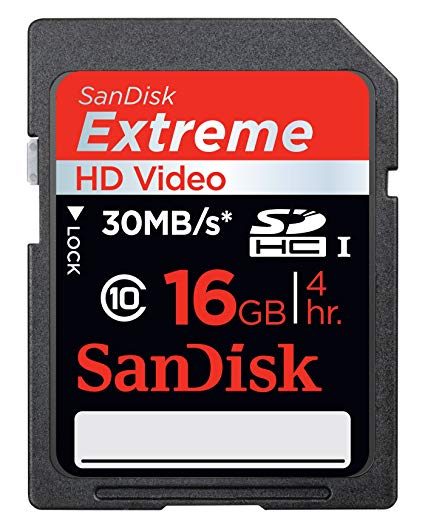
What category of storage device is a HD card?
Magnetic
Optical
Solid state
Primary memory
The types of storage are:
Primary
Hardware
Secondary
Software
The smallest number that can be represented by 4 bits is:
1
0
2
3
CPU stands for central ____ unit.
Protection
Packet
Plasma
Processing

What is this component called?
Hardware Drive
Software Drive
Hard Disk Drive
Soft Disk Drive

CPU
supplies power to the components
the heart of the computer, connects all the components
connects the hard drive to the motherboard
the brain of the computer, executes all the programs
You can touch software
True
False

hard drive
plays dvds
storage for all software and files on the computer
allows the computer to "think"
cools the CPU

power supply
cools the CPU
supplies and regulates electrical current to all of the components
stores all the data on a computer
is the brain of the computer; executes all programs

RAM
permanently stores data like software and user files on a computer
is the brain of the computer, executing all programs
temporarily stores data allowing which increases the computer's processing power
temporarily stores data if you hard drive runs out of space
Which of the following is the typically the most expensive component?
Keyboard
RAM
CPU
Mouse
Which of the following are famous computer component brands?
Ford, Porsche, Nissan
Kingston, Intel, Samsung
Pearson, AQA, WJEC
Kings, GESS, DC
Tick two of the following options that are non-volatile
ROM
Solid State Drive
RAM
CPU

