
 Worksheets
Kartojimas. 6kl. 6 Skyrius. Energija ir jėgos
Total questions: 37
Worksheet time: 34mins
What is the unit to MEASURE force?
Kilogram
Meter
Pounds
Newton
What makes friction stronger?
When objects' surfaces are smooth
When objects are being pushed together
When objects' surfaces are rough
When objects move
When objects are light
PUSHING an object really strongly
the PUSH or PULL on an object
N (newtons)
W (watts)

What do calories measure?
How much fat is in food
How much sugar is in food
How much energy is in food
What is the unit of energy
Newton (N)
kilogram (kg)
Joule (J)
Watt (W)
Energy stored in objects being stretched or squashed...
Kinetic Energy
Elastic Potential Energy
Physical Energy
Thermal Energy
Is air resistance Friction?
No
Yes
Which of the following has chemical energy?
Coal
Petrol
Battery
All of the above

Tai - elektrinis židinys, kuris imituoja ugnį ir jos traškėjimą, tačiau jos nedegina. Kas nutinka su šviesos energija šio prietaiso veikimo metu?
Šviesos energija sudega
Šviesos energija tampa šilumine energija
Šviesos energija išsisklaido
Šviesos energija čia nesklinda
Elektrinio židinio veikimo metu 50% energijos išsiskiria šiluminės energijos pavidalu. Kokių energijų pavidalu likusi energija išsisklaido?
Elektros energijos
Cheminės energijos
Šiluminės energijos
Šviesos energijos
Garso energijos

Tarp kurių planetų gravitacija turėtų būti didžiausia. ( Atsakymo pvz.: X ir Z)
(a)
Visatoje energijos kiekis nuolat kinta
Tiesa
Netiesa
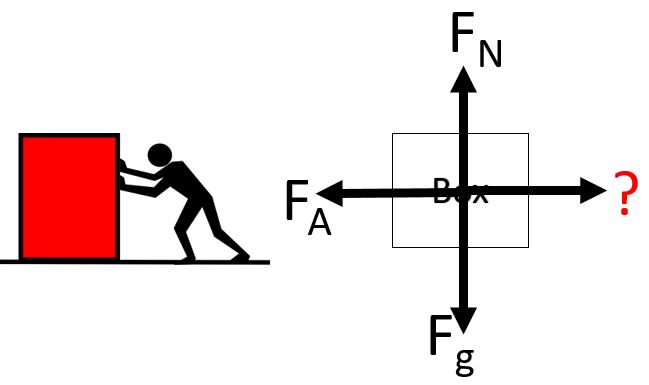
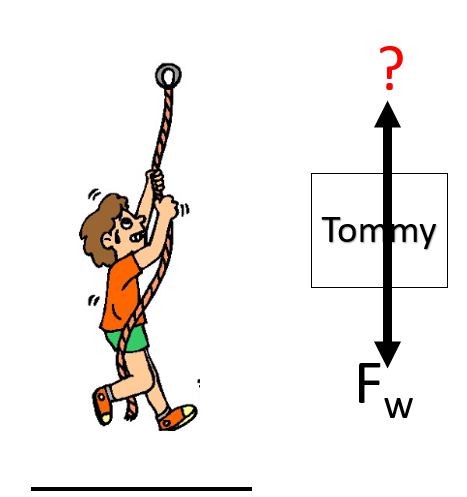

Which way is the object moving?
it's either not moving or moving at a constant speed
to the right
to the bottom
up
Items that are elastic include...
metal wires.
concrete blocks.
plastic spring toys.
all of the above
What happens when the stretching force on an elastic material is released?
The material breaks.
The material remains stretched out.
It does nothing
The material snaps back to its original shape.
An elastic material resists a change in shape.
True
False, it will always change shape
False, elastic items stay stretched out
False, but I do not know why
Force that opposes movement between touching surfaces
Gravity
Weight
Friction
Air Resistance
Objects with more surface area will have more air resistance
True
False
Sometimes true

Pilypas paspyrė kamuolį. Koks energijos pokytis įvyko?
Kinetinė en. → Tamprumo potencialo en. → Kinetinė en.
Raumenų en. → Tamprumo potencialo en. → Šiluminė en.
Tamprumo potencialo en. → Kinetinė en.→ Tamprumo potencialo en.
Šviesos en. → Gravitacinio potencialo en.→ Tamprumo potencialo en.

Pilypo paspirtas kamuolys lekia oru. Koks energijos pokytis įvyko?
Kinetinė en. → Tamprumo potencialo en. → Kinetinė en.
Kinetinė en. → Gravitacinio potencialo en.
Kinetinė en.→ Tamprumo potencialo en.
Tamprumo potencialo en. → Šviesos en.

Pilypo paspirtas kamuolys nukrito ant žemės. Koks energijos pokytis įvyko?
Tamprumo potencialo en. → Kinetinė en.
Gravitacinio potencialo en. → Kinetinė en.
Kinetinė en.→ Tamprumo potencialo en.
Gravitacinio potencialo en.→
Kinetinė en. → Gravitacinio potencialo en.

What is the name of the force marked "F1"?
(a)
What is the name of the force marked "F4"?
(a)

Which if these are not the effects of a force?
Burning an object
Slowing an object down
Heating an object
Change an object's direction

