Worksheets
Triphenyl imidazole and Chlorobutanol quize
Total questions: 12
Worksheet time: 6mins
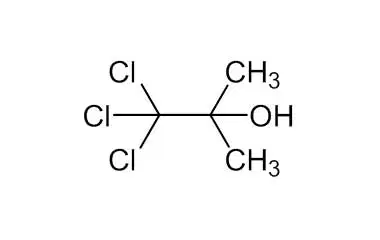
which of the following is IUPAC Name for Chlorobutanol
1,1,1-trichloro-2-methylpropane-2-ol
1,1,1-trichloro-3-methylpropane-2-ol
1,1,1-trichloro-2-methylpropane-3-ol
None of the above
what is molecular formula for Chlorobutanol
C4H6Cl3O
C4H7Cl3O
C3H7Cl3O
C4H7Cl4O
which of the following is not the use of Chlorobutanol
Bacteriostatic
Sedative and Hypnotics
Local Anesthetics
All are the uses of Chlorobutanol
formation of Chlorobutanol is which type of reaction
Nucleophilic Substitution
Nucleophilic Addition
Reduction
Non of the above
Why glacial acetic acid is called "glacial" acetic acid
Because it is derived from glaciers
Due to its icy appearance at low temperatures
Named after the geological process of glaciation
In reference to its slow reaction rate
Completion of reaction between benzil, glacial acetic acid and benzaldehyde will show which type of colour
Dark Bule colour
Dark orange colour
Dark black colour
colourless
Which starting materials are commonly used in the synthesis of triphenyl imidazole?
Aniline and acetic acid
Benzoin and iodine
Benzaldehyde and Benzil
Triphenylamine and imidazole
How the reaction progress can be monitored during the synthesis?
UV-Vis spectroscopy
TLC (Thin Layer Chromatography)
NMR (Nuclear Magnetic Resonance)
Mass spectrometry
what is melting point of Benzil
150-160°C
94-96°C
40-45°C
50-60°C
What is melting point of triphenyl imidazole ?
185-190°C
274°C to 278°C
50-55°C
300-305°C
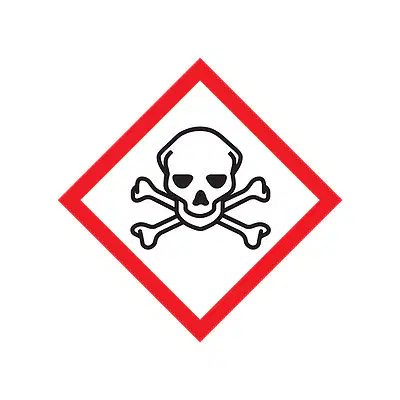
Which of the following pictogram is given on bottle of acetic acid



Which pictogram is present on Benzaldehyde bottle ?