
 Worksheets
Roman Republic Review
Total questions: 24
Worksheet time: 12mins
Who were Romulus and Remus
opposing generals in a war
explorers on a famous river
colonists from ancient Greece
the mythical founders of Rome
What mountain chain in the north of Italy helped to protect ancient Rome from invaders?
The Alps
The Caucasus
The Rockies
The Urals
What was a major contribution of the Roman Republic to Western European culture?
concept of government by laws
rejection of the concept of slavery
establishment of collective farming communities
belief that political power should be controlled by the military
What could a foreign visitor to Rome expect to see in the Forum?
a track for chariot races
a central gathering place
a wealthy country house
a site of fights with lions
During the early republic, why was it important that Roman laws were written on 12 tablets and shown to the public?
The laws could then apply equally to all Romans.
Plebeians could then work to veto, or block, the laws.
Plebeians could then appeal a judgment made by a patrician judge.
Judges could demand that the laws were known so they should be obeyed.
In the Roman Republic, the term "patricians" referred to which group of people?
slaves
every adult male citizen
anyone with Greek ancestors
wealthy land-owning families
What was a common way to become a Roman slave?
having skill at a craft
doing poorly in school
being captured in a war
losing a political election
In the Roman Republic, who were the representatives of the Plebeian class?
Consuls
Dictators
Senators
Tribunes
How are the United States and the Roman Republic alike?
Both allow all citizens to vote.
Both have three branches of government.
Both hold elections once every four years.
Both have a single, powerful chief executive.
Read the passage and answer the question below.
The Founders thought that republican government was possible in Rome only because of the civic virtue of the Roman citizens. Civic virtue meant that both citizens and their leaders lived modest lives. They worked hard and they put the common welfare above their own selfish interests. They believed that the benefits of republican government were that: • the laws made by representatives elected by the people would be fair and would serve the common welfare rather than the selfish interests of one group, and • people would have greater freedom and be able to live secure and comfortable lives The Founders thought a republican form of government was the best form of government they could create for themselves. Then they would have the same benefits they thought the ancient Romans had enjoyed.
What title would best describe this passage?
Secure and Comfortable Life
Benefits of a Republican Government
Romans Influenced the Founding Fathers
Civic Virtue for Everyone Makes Sense

In what way could tribunes check the power of the elected magistrates?
by vetoing laws
by passing laws
by controlling the magistrates’ budget
by vetoing the actions of the magistrates
What was the first written form of Roman Law?
Code of Justinian
Hammurabi's Code
Law of Nations
Twelve Tables
Which represents an example of civic virtue?
Citizens stay informed on issues, register for the draft, and vote.
The government requires that only wealthy citizens pay taxes.
Citizens who are educated can become professional jury members.
The government sets up academies for its best and brightest students.
What is another name for the legislative branch of the US government?
Cabinet
Supreme Court
Congress
Advisory Council

The chart titled "Roman Government" shows that the Romans designed their government for what purpose?
to promote
trade and commerce
to centralize power in one person
to respond quickly to military attacks
to incorporate checks on the power of the different parts of the government
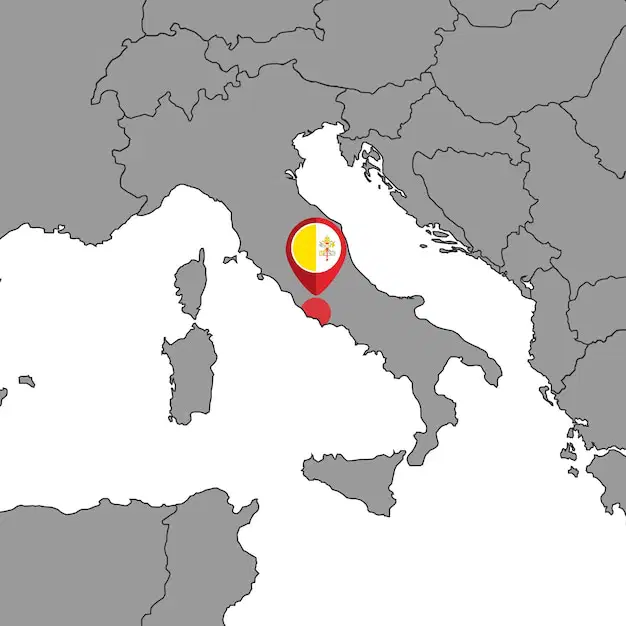
In what country is Rome located today?
Europe
Italy
Greece
Germany
How did Romans learn about Greece culture?
They moved to Greece.
They sold slaves to Greece.
Greek colonists had settled nearby.
Greek leaders met with Roman leaders.
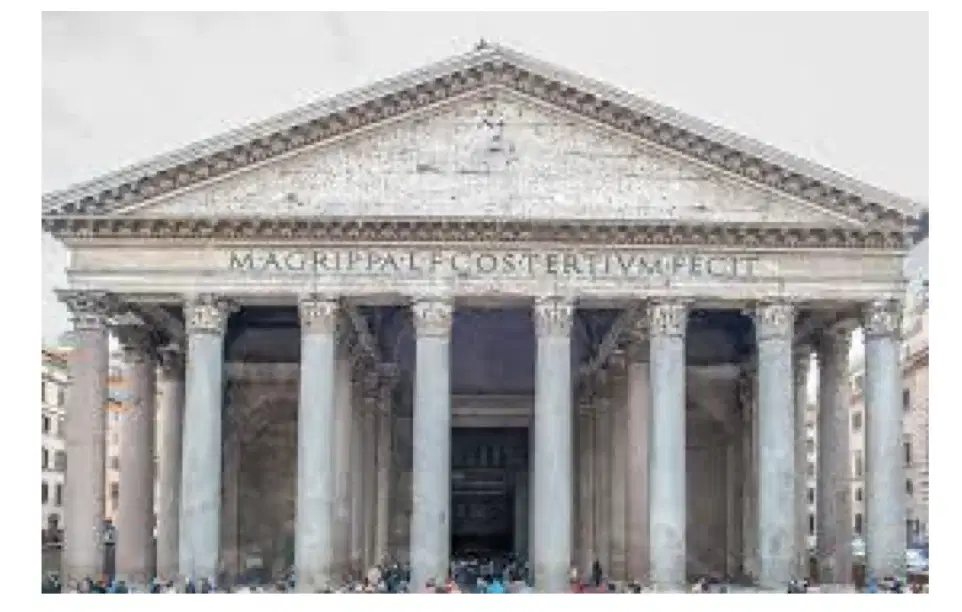
What does this building in Rome show about Roman architecture?
It was influenced by the Greeks.
Etruscan styles influenced it.
It used keystones for support.
Slaves worked to construct it.
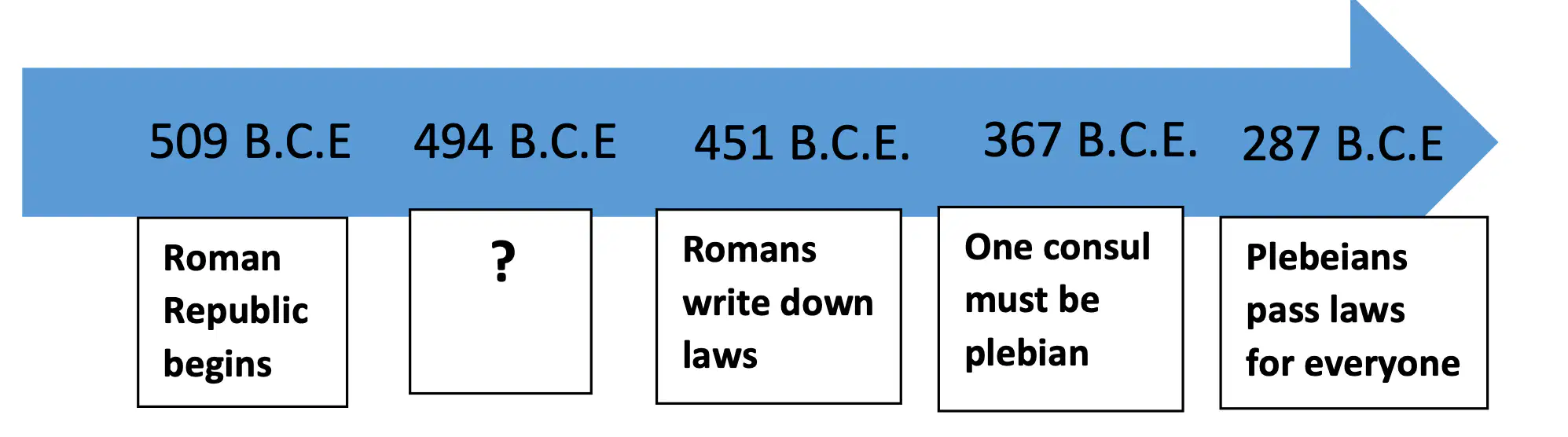
What event belongs in the blank space on the timeline?
Roman Empire falls
Plebeians elect a leader
Plebeians refuse to fight
Etruscans return to power
What was the result of the Conflict of the Orders?
Plebeians lost the right to vote
Patricians gave up some power.
Romans defeated the Greek navy.
Etruscans won control over Rome.
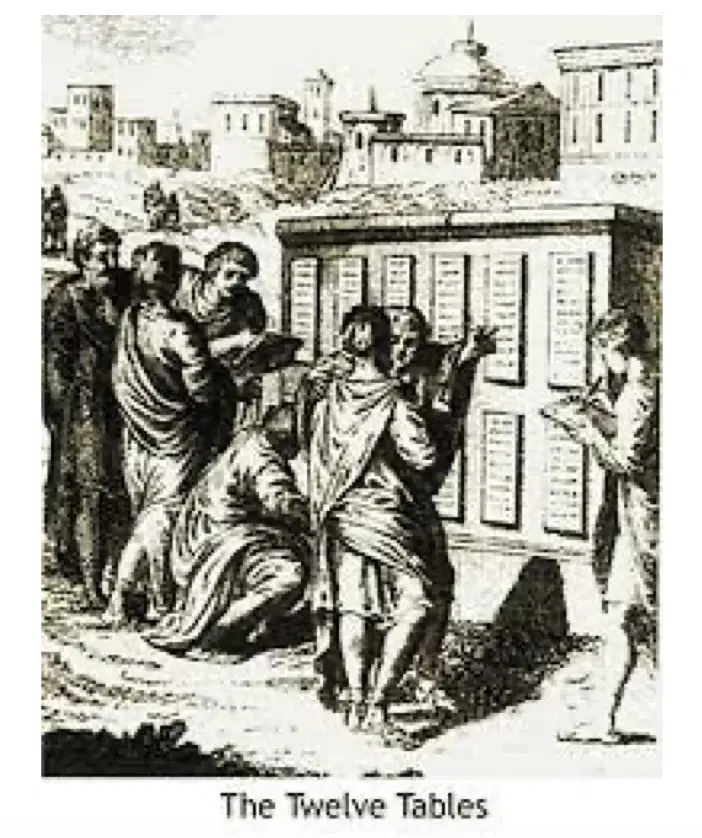
What changed as a result of the action in the image?
Patricians had less power than before.
Plebeians followed more laws than before.
Priests became the wealthiest people in Rome.
Scribes became the most powerful people in Rome.
Plebeians became nearly equal to patricians when they won the right to
put laws in writing.
choose their own king.
pass laws for all Romans.
serve as priests and soldiers.
Which branch of the US branches hold the same responsibilities as the Consuls in Ancient Rome?
Legislative
Judicial
Executive
Democracy
Which branch of the US branches hold the same responsibilities as the Magistrates in Ancient Rome?
Legislative
Judicial
Executive
Democracy

