
 Worksheets
Pre Knowledge Visual Arts
Total questions: 51
Worksheet time: 5hrs 20mins
There are two types of shape. What are they?
Regular and irregular shape
Geometric and irregular shape
Geometric and organic shape
Organic shape and regular shape
Which one is vertical line?


What are the three primary colors?
Purple, Green, Orange
Red, Blue, Yellow
Red, Blue, Green
Red, Blue, Orange

What is illustrated above?
Tertiary Colors
Primary Colors
Monochromatic Colors
Complementary Colors

What colors are displayed above?
Tertiary Colors
Secondary Colors
Primary Colors
Complimentary Colors

What are the colors named made from mixing 1 primary and 1 secondary color?
Monochromatic
Secondary
Tertiary
Gorgeous

Colors that are directly opposite/across on the color wheel. When mixed together, they makes neutral gray or brown.
Complementary
Value
Analogous
Spectrum
Name the Elements of Art.
Earth, Wind, Fire, Water, Metal
Balance, Rhythm, Movement, Contrast, Unity, Emphasis
Line, Shape, Form, Color, Space, Texture, Value

This image is a good example of which principle?
Pattern
Form
Line
Color
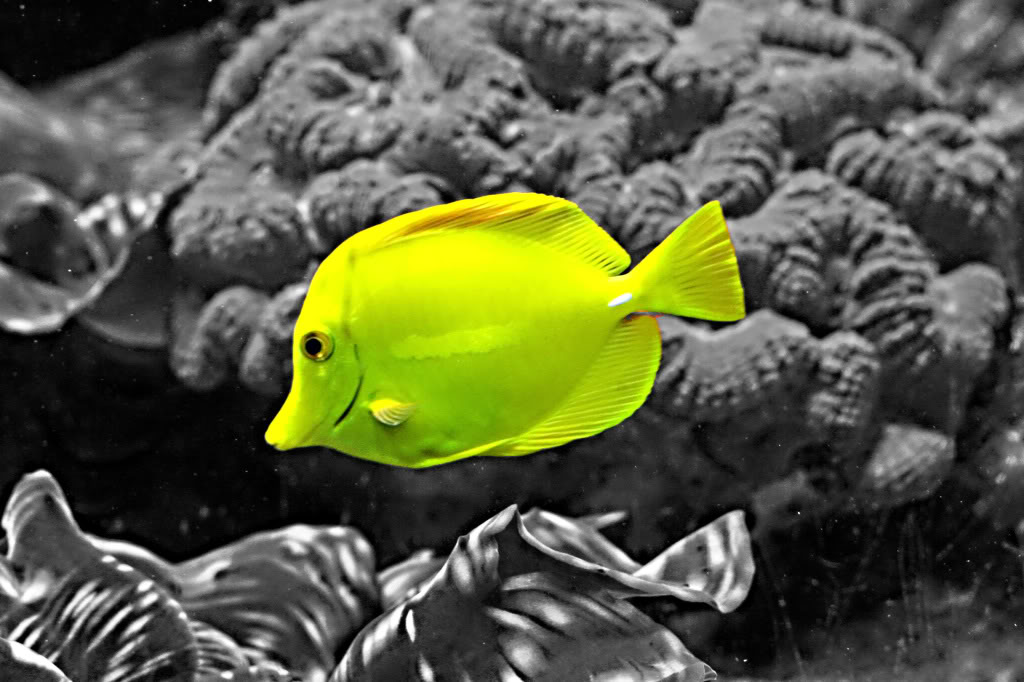
This image is a good example of what principle?
Space
Emphasis
Line
Texture

This painting by Vincent Van Gogh demonstrates which principle?
Movement/Rhythm
Symmetry

Rhythm is the __________ of visual movement--colors, shapes, or lines. Fill in the missing word.
Repetition
Stopping
Replacing

The principle of balance refers to the distribution of visual weight in a work of art. This famous image, popular in Chinese culture, is called...
Yin & Yang
The Peace Symbol
Cosmos/Astrological Symbol


Which type of visual art involves using different materials in one piece?
collage
illustration
photography
sculpture
The way in which personal concerns can be paramount to an artist in his or her artmaking
Structural
Subjective
Cultural
Postmodern
Artists mirroring the values and influences of society
Structural
Subjective
Cultural
Postmodern
The way in which personal concerns can be paramount to an artist in his or her artmaking
Structural
Subjective
Cultural
Postmodern
Artists mirroring the values and influences of society
Structural
Subjective
Cultural
Postmodern
The personal beliefs and values of the artist as conveyed through the work
Structural
Subjective
Cultural
Postmodern
The aesthetic order within the artwork- the signs and symbols used to convey meaning
Structural
Subjective
Cultural
Postmodern
The effective use of visual codes and conventions to convey ideas
Structural
Subjective
Cultural
Postmodern
Emerging technologies such as digital art and the huge impact on aesthetic conditions
Structural
Subjective
Cultural
Postmodern
The ability of artworks to provoke emotional, sensory and intellectual responses from the viewer
Structural
Subjective
Cultural
Postmodern
The formal elements of the artwork that demonstrate certain rules and conventions relating to style, genre or material practice
Structural
Subjective
Cultural
Postmodern
The use of irony, parody and recontextualisation
Structural
Subjective
Cultural
Postmodern
The audience often takes over from the artist as the most important element in constructing meaning
Structural
Subjective
Cultural
Postmodern
How many agencies are in the Conceptual Framework?
3
5
4
6
What are the four agencies of the Conceptual Framework?
Artist, School, Artwork, Audience
Artwork, Artist, Audience, Word
Museum, Artwork, World, Artist
World, Audience, Students, Artwork

Which artist created Spiral Jetty
Christo and Jeanne Claude
Ana Mendieta
Richard Long
Robert Smithson
What does the Structural Frame explore
Signs and Symbols
Emotions and Imagination
Race, Gender, and Religion
Irony, Parody and Humor
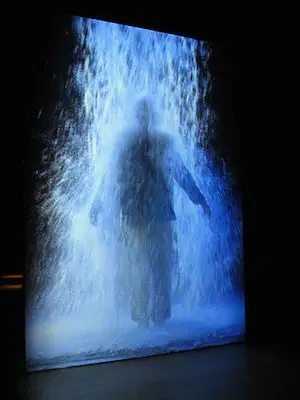
Which artist created this video work?
Stelarc
Bill Viola
Yayoi Kusama
Nam June Paik
What does the World refer to?
Our Emotions
Artworks and Artists
Time and Place
The Audience
Who are the audience?
Historians and Critics
General Public
Your Pet
Nobody

Choose the list that correctly names the three content areas in Art?
Art types, Frames, World
Frames, artmaking,
Cultural
Concept, Something, Practice
Practice, Conceptual Framework, The Frames
PRACTICE IS THE FIRST CONTENT AREA AND HAS TWO PARTS:
select the correct two.
the materials and orderly use of materials
artists and their continuing work
Conceptual ideas and the Materials/ techniques of the artist
what they see and use
THE FRAMES IS THE THIRD CONTENT AREA AND HAS FOUR PARTS:
name those four parts:
Subjective Frame, Cultural Frame, Structural Frame, Postmodern Frame
Subjective Frame , Structural Frame , Postmodern Frame
Cultural, Structural, Subjective, Structural
Postmodern, Cultural, Subjective Frames
Choose two lists of questions belonging to Practice:
What conceptual choices has the artist made? What historical or social issues and what political ideas have informed this choice?
What historical or social issues and what political ideas have informed this choice? What are the Frames and more Frames and more concepts?
How have processes, procedures or conventions informed the work.
How has the choice of materials and techniques informed the representation of their ideas?
Why do artists not understand anything and only relate to the Frames.
Select two lists of questions belonging to the agency: Artwork. (Conceptual Framework)
How are signs, symbols, codes or conventions used to convey meaning?
How do artists think about what to do and paint at the same time?
Has the meaning of the work changed over time?
How would the meaning of a canvas painting change if it was rolled up
Select two lists of questions that belong to the agency: ARTIST (Conceptual Framework)
Doesn't anyone understand the importance of the Conceptual Framework?
How have the artist's personal experiences and values influenced the work?
Is the artist influenced by the practice of others? Are artists still important and
what is that supposed to be?
Is the artist influenced by the practice of others, an art movement or a style? How is this evident?
Select three lists of questions that belong to the agency: WORLD (Conceptual Framework)
How are advancements in science, technology or material practice evident in the work?
Are world events or shared experiences represented? How?
Are the specific cultural beliefs and conventions of a time and place represented in the work? How?
Are google world maps going out of business and will that influence the specific cultural beliefs and conventions of a time and place represented.
Select two lists of questions that belong to the agency: AUDIENCE (Conceptual Framework)
Who was the intended audience for the work? Has this changed over time?
How do audiences interact with or think about artworks and give them new meanings?
Think about artworks and give them new meanings like how do audiences order pizza online?
Where would an informed audiences go to get library books?
What is an Art Historian?
What is an Art Critic?
Which images best addresses the Elements and Principles of Art?


The Postmodern Frame looks at how art may represent ...
Ideas and critical practices which challenge traditional conventions, canons, values and histories of art.
Communication and the system of signs.
Cultural and social meaning.
Personal and psychological experience.

In Visual Art I would like to learn more skills in... (You may choose more than one option).
Drawing / charcoal
Photography
Clay/Sculpture
Painting/water colour
Video Art
What is your prefered medium of choice?
Drawing - pencil / lead / charcoal
Painting - Acrylic or oil
Sculpture - clay or wire
Multimedia - photography film
Mixed Media a combination of materials including but not limited to collage, painting drawing, sculpture and multimedia

I am interested in Art History and Art Criticism?
Yes, I would like to continue to learn more about how art has evolved throughout history.
Yes, I am interested in how people respond and react to artworks and how this has changed over time.
I am not sure what to expect in Art History and Art Criticism and therefore don't really have an opinion.
Art history and art criticism is not my strongest point of interest.

The lights and darks of an object is known as_______
shape
texture
value
form

