
 Worksheets
GIU Grade 4 2nd Feb
Total questions: 122
Worksheet time: 2hrs 32mins
Which statement describes one way in which living organisms in a desert ecosystem interact with nonliving things in the ecosystem?
Sunlight warms soil on the Earth's surface
Plants get nutrients from the soil
Sunlight produces light which causes rocks to have shadows
Desert birds eat seeds found in the sand
Which observation in a grassland involves an interaction between two groups of living organisms?
Termites live in a decaying log
Plants provide food for wildlife
A prairie dog burrows in the soil
Trees grow next to a creek
Which of these describes one or more living organisms interacting with another living organism in a grassland?
Mold grows on the side of a rock
An oak tree absorbs light in its leaves
Insects collect pollen from a flower
A lizard crawls across the soil

The photograph below shows a meadow. How does the meadow support a community of butterflies?
The meadow contains many rocks for the butterflies to build nests.
The meadow contains many flowers from which the butterflies can get nectar.
The meadow contains many rivers from which the butterflies can get water.
The meadow contains many seeds for the butterflies to eat.

Which adaptation of a cactus is related to its interactions with living organisms in its environment?
roots that grow deep underground to reach water
spines to protect it from animals that want its water
a waxy, outer coating to prevent the loss of the water
large, expendable stem that allows it to store water

What animals live in the grasslands?
Elephants
Pig
Deer
Moouse

Why is the grassland ecosystem important to the environment?
Because we need grass
So that animals can roam and graze
So that people can grow foods
So people can farm

Do you think the grassland ecosystem is important or not?
Yes!
No!
Maybe.....
I'm not sure ..........
A grassland has __________________.
enough rain for trees
no rain
not enough rain for trees
Where are grasslands found?
Only in the United States
Only in the South
Everywhere in the world
On every continent except Antarctica
Only in big countries
What are grasslands in North America called?
forest
prairies
pampas
steppes
How are all grasslands alike?
they have grass
they have the right temperature and rainfall for grass to grow well
they are hot
they have the same animals
What are 3 animals that live in the grasslands?
antelope
coyotes
lions
snakes
deer
Which animal does NOT live in the grasslands?
mouse
rattlesnake
coyote
shark
How do many animals find shelter in the grasslands?
They hide under trees
They use rivers and streams
They burrow in the ground
They use large rocks
What are ALL the parts included in an ecosystem?
soil
water
producers and consumers
energy from the sun
all of the above
Which of these are characteristics of a grassland ecosystem? (select all that apply)
covered in grasses
many trees
a lot of rainfall
many herbivorous plants
In a grassland ecosystem, what advantages does a burrower have over an animal that does not burrow?
burrowing keeps an animal cool in the summer and keeps snakes away
burrowing allows an animal to stay close to its food supply
burrowing gives an animal protection from predators and allows it to escape prairie fires

An ecosystem that is found on land.
terrestrial ecosystems
grassland
tropical rainforest
deciduous forest

A biome in which grasses are the main plant life.
grassland
desert
biodiversity
taiga

African Grasslands (Savanna) Animals
acacia trees, baobob trees, scutch grass
sloth, capybara, scarlet macaw, poison dart frog
buffalo grass, bluestem grass, stinging nettle
elephant, zebra, wildebeest, giraffe, lion

American Grasslands (Prairie) Plants
acacia trees, baobob trees, scutch grass
elephant, zebra, wildebeest, giraffe, lion
buffalo grass, bluestem grass, stinging nettle
prairie dog, bison, coyote

American Grasslands (Prairie) Animals
buffalo grass, bluestem grass, stinging nettle
elephant, zebra, wildebeest, giraffe, lion
acacia trees, baobob trees, scutch grass
prairie dog, bison, coyote

African Grasslands (Savanna) Plants
elephant, zebra, wildebeest, giraffe, lion
acacia trees, baobob trees, scutch grass
buffalo grass, bluestem grass, stinging nettle
prairie dog, bison, coyote
What is the dominant plants of a grassland?
Trees
Grasses and shrubs
Algae
Kelp
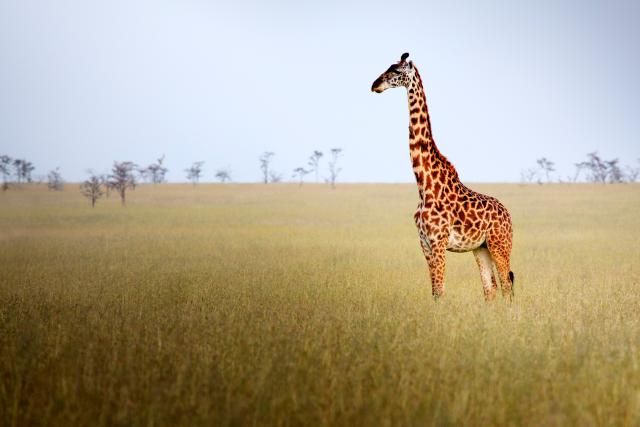
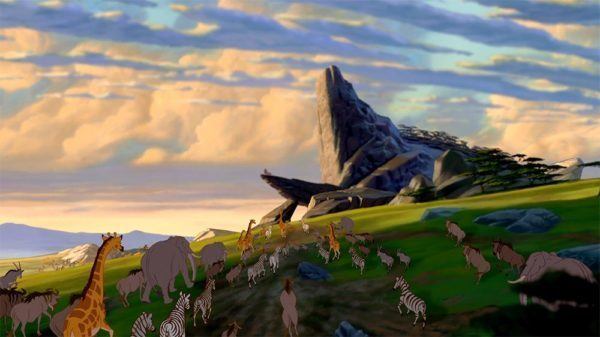
What 3 animals live in the grasslands?
Elephants
Lions
Giraffes
Sharks
Penguins

There are different types of grasslands.
True
False


Which of the following is the biggest desert on Earth?
Antarctica
Gobi
Sahara
Kalahari

What is the average temperature during the day in the desert?
Well Over 100
Below 100
Well Over 200
Exactly 20
What are three plants that you can find in this area?
Cactus
Grasses
Shrubs
Pine Trees
Banana Trees

What is the temperature at night in the desert?
Below 50
Above 50
Above and Below 50

What animals can be found in the desert?
Camels, Parrots, Beetles, Monkeys
Camels, Meerkats, Scorpions, Grasshoppers, Horned Toads
Fish, Lions, Bears, Dragonflies, Deer
Unicorns, Dragons, Flying Pigs, Mermaids
What animals can be found in the desert?
Camels, Parrots, Beetles, Monkeys
Camels, Meerkats, Scorpions, Grasshoppers, Horned Toads
Fish, Lions, Bears, Dragonflies, Deer
Unicorns, Dragons, Flying Pigs, Mermaids
What best describes the climate in the desert?
warm
wet
dry
windy

A dry, barren area of land, covered with sand, that is desolate, water-less, and without plants
woods
desert
hill
plant

A drought occurs when -
there is no rain for a long time.
heavy rains flood the land.
the sun shines for many days.
snow falls for a long time.

This is a _______.
cactus
flower
tree
grass
Non-living parts of ecosystem (air, water, soil, sun)
Ecosytsem
Abiotic Factors
Biotic Factors
Niche
All the living organisms that live in an area and the nonliving features of their environment.
Habitat
Niche
Biomes
Ecosystem
Large geographic areas with similar climates and ecosystems. (Tundra, Desert, Grassland, etc)
Niche
Ecosystem
Biomes
Habitat
This is the driest biome on Earth but it contains a diverse group of plants and animals.
Tropical Rain Forest
Temperate Deciduous Forest
Desert
Grassland
Why are most animals in the polar region white?
To stand out
To keep warm
To blend in with their surroundings
Where are the polar regions located?
Equator
Around the North and South Poles
Prime meridian
What is the climate and weather in the Polar Regions?
Bitter cold temperatures and long winters
Hot temperatures with lots of rain
Mild winters and dry summers
Pick one animal that lives in the Polar regions
Horse
Tiger
Emperor Penguin
One way animals in the polar regions have adapted is?
Have an extra layer of flubber
They hibernate
They leave
In order to protect their babies in the Polar Regions Penguins
huddle together in a large groups
Bury them in the snow
Fly to warmer climate
Polar Region is very similar to which other region
Rain Forest
Tundra
Woodlands

What is the habitat shown in the picture?
jungle
desert
arctic
ocean

What animals do we find in this habitat?


What is the main reason why Penguin belongs to arctic?
They like to play with snow
There's plenty of fish in the sea to eat
There's lots of snow
Which animal is in the arctic ?


A habitat is a place where the plant________
Lives
Walks
Sleeps
Polar habitats are very_________
Cold
Hot
What is the BIGGEST bear?
Black bear
Sloth Bear
Polar Bear
Polar Habitats have____________
No Winds
Strong Winds
Hot Summers
Arctic plants have waxy leaves to help keep in ___________
air
snow
water

Is this plant in the arctic ?
YES
NO
Winter is LONG and ____________
sunny
dark
Hairs on a plant keep them _______
warm
cold
There are LOTS of trees in the arctic
YES
NO

What keeps the whale warm ?
FUR
BLUBBER
Where are polar regions located
Arctic circle
Frigid zone
Tropic of cancer
Torrid zone
The Polar regions get ______ rays
slanting
very slanting
direct
Covered with _____ and ___
Snow and rain
Snow and grass
Snow and ice
Snow and tree
Reindeers are also called Caribou
False
True
The walrus has the tusks of ory
True
False
People living in this regions live in ____________
Research stations
Railway stations
Snow mobile
None of these
People use_____ on land and_______ in water
Snow mobile(1)
Motorboat(2)
Both(1)
None of these(2)
Arctic is the largest cold desert in the world.
True
False
Meaning of huskies
a thick coated dog used to pull sledges
A thick coated dog
Which of this is the winter coat for arctic fox


What are the three layers of the woodland forest?
emergent layer
canopy
understory
forest floor
Which of these animals live in the canopy of the woodland forest?
bats
bugs
frogs
bears
Which animals live in the understory of the woodland forest?
rabbits
raccoons
squirrels
owls
What animals live on the woodland forest floor?
deer
bears
bobcats
rabbits
Which is NOT a layer of the rainforest?
emergent
understory
overstory
canopy
Plants that live in the rainforest understory have very large leaves to catch some of the sun's rays.
True
False
Which of these are decomposers?
rabbits
spiders
worms
ants
In which layer of the rainforest do the large predators live?
emergent
understory
canopy
forest floor
How many layers are found in the rainforest?
1
2
3
4
What animals are found in the emergent layer of the rainforest?
bats
macaws
toucans
butterflies
What is the bottom layer of the forest called?
What things are on the forest floor?
Leaves, roots and soil
What living things are on the forest floor?
Birds and monkeys
Fungi, bacteria, insects, large cats and snakes
Fish, sharks and dolphins
Where is the understory layer?
Above the forest floor
What can you find in the understory?
roots, leaves and soil
Flowers, birds and insects
Where is the canopy layer?
Above the understory
Next to the desert
Above the ocean
Under the mountains
The canopy is the thickest part of the forest layer.
True
False
The canopy is the layer that gets the most….
What grows well in the canopy layer?
Fruit
What animals live in the canopy layer?
Where is the emergent layer?
Middle of the rainforest
Top of the rainforest
Bottom of the rainforest
Under the rainforest

