
Font size
 Worksheets
Unit 4 Part 2 Review
Total questions: 53
Worksheet time: 31mins
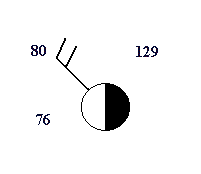
What is the temperature for the following station model?
4 ºF
76 ºF
80 ºF
129 ºF
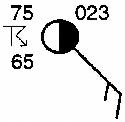
What is the dewpoint for the following station model?
10 ºF
23 ºF
65 ºF
75 ºF
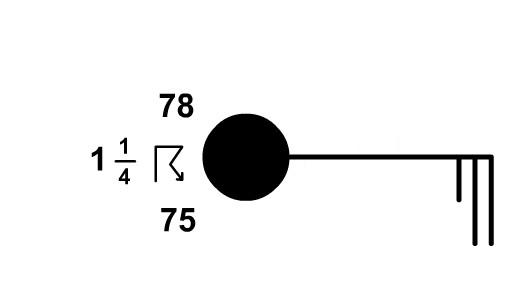
What is the present weather for the following station model?
rain
thunderstorms
drizzle
fog
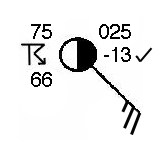
What is the wind speed for the following station model?
10 knots
15 knots
20 knots
25 knots
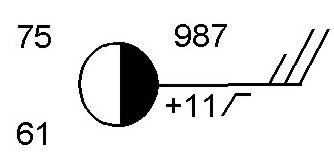
What is the barometric pressure for the following station model?
87 mb
998.7 mb
1098.7 mb
1098 mb
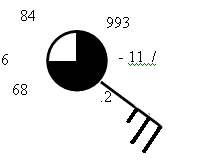
What is the amount of cloud cover for the following station model?
25%
50%
75%
100%
What are the three main types of clouds? (Select all three answers)
precipitation
cirrus
evaporation
cumulus
stratus
Which cloud is the highest in the sky?
cirrus
cumulus
stratus
Which cloud is the lowest in the sky?
cirrus
cumulus
stratus
Which cloud looks puffy like cotton balls?
cirrus
cumulus
stratus
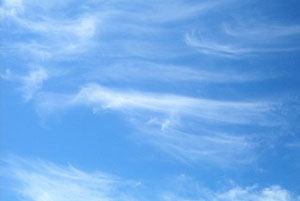
Which cloud is thin and feathery?
cirrus
cumulus
stratus
Which cloud covers the whole sky and looks like a blanket?
cirrus
cumulus
stratus
Which shows a cirrus cloud?


Which shows a cumulus cloud?
Which shows a stratus cloud?

These clouds are a cumulus cloud that form into an anvil shape that points to where the rain, lightning, hail, or tornadoes are moving.
stratus
cirrocumulus
Cumulonimbus
cirrus
Put in order the steps in cloud formation:
I. warm air rises and cools
II. water vapor condenses
III. Sun heats the Earth's surface
IV. millions of water droplets collect to form a cloud
V. humidity of the air increases
I, II, III, IV, V
V, IV, III, II, I
III, I, V, II, IV
III, I, II, V, IV
Clouds are classified based on their height. Which is CORRECTLY matched?
strato-high clouds(above 6000 meters)
cirro-high clouds(above 6000 meters)
alto-low clouds(below 2000 meters)
cirro-middle clouds(2000-6000 meters)
The puffy, lumpy looking clouds and maybe only 1000 meters above the ground
nimbus
stratus
cirrus
cumulus
The low-level featureless sheet of clouds that sometimes appear in the surface of the Earth in the form of mist or fog.
stratus
cirrus
nimbus
cumulus
Low, gray clouds that produce precipitation that reach the ground in the form of rain, snow or hail. It is also known as rain clouds.
cirrus
stratus
nimbus
cumulus
How do humans cause air pollution?
plowing of fields
burning fossil fuels (coal, oil)
using solar power
driving electric cars
What is the main cause of air pollution?
plowing fields and releasing dust
using solar power
burning fossil fuels
using water power
Climate change caused by extra carbon dioxide in the air that causes heat to get trapped in the atmosphere is called
global warming
photosynthesis
smog
Gases released from power plants mix with water vapor in the sky to make ________________.
smog
acid rain
global warming
particulate matter
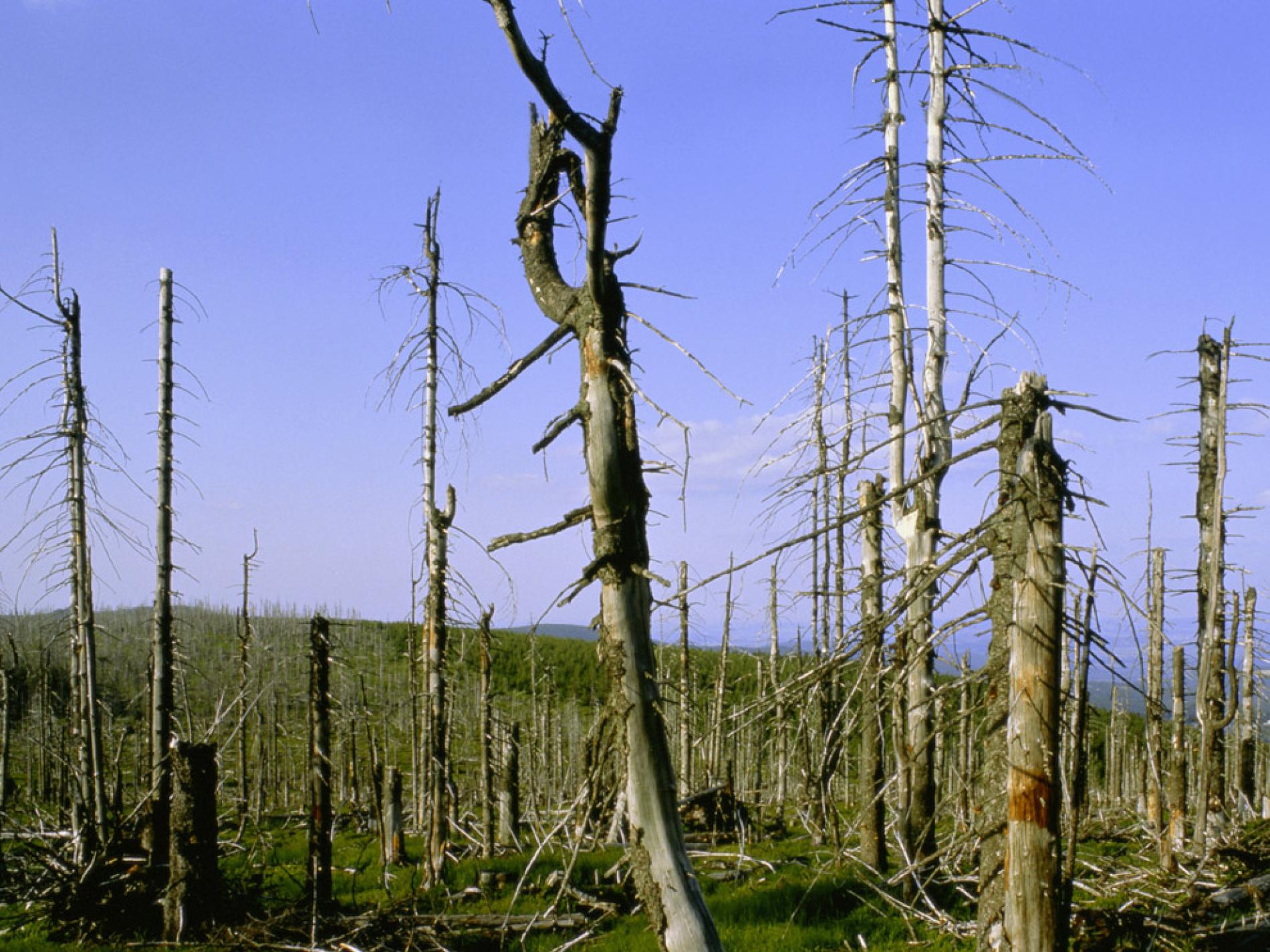

Smog or ground ozone forms in the troposphere. Which pollutants are most responsible for smog or ground ozone?
sulfur and particulate matter
volatile organic compounds and nitrogen oxides
carbon monoxide and carbon dioxide
none of these answers are correct
A type of pollution found both indoors and outdoors, which includes pollen, dander, soot, carbon, and dust.
Water droplets
Allergens
Particulate matter
Combustibles
What is the major cause for air pollution?
deforestation
oil spills
transportation
cigarretes
Which of the following is an example of a primary pollutant?
Acid rain
Ozone
Carbon monoxide
Asbestos

Burning of wood causes air pollution.
true
false

The greenhouse effect is a natural process
true
false

Without the Greenhouse Effect the Earth would be
warm
cold

Which of the following are greenhouse gases?
Carbon dioxide
Methane
Water vapor
All answers are correct
Why is it called "The Greenhouse Effect"?
Because greenhouse gasses protect Earth from UV radiation like a greenhouse protects plants from bad weather.
Because greenhouse gasses trap heat on Earth's surface like a greenhouse traps heat to keep plants warm.
Because greenhouse gasses reflect sunlight away from Earth like a greenhouse keeps plants in shade.
Because greenhouse gasses allow heat to pass through them like a greenhouse allows light to pass through for the plants to do photosynthesis.

What is the primary component of natural gas?
Nitrogen
Methane
Oxygen
Carbon dioxide
Which of the following is a renewable energy source?
Nuclear power
Solar power
Natural gas
Coal
What is the term for the process by which plants release water vapor into the atmosphere?
Evaporation
Condensation
Precipitation
Transpiration

