
NEW
Font size
 Worksheets
Unit 4
Total questions: 29
Worksheet time: 15mins
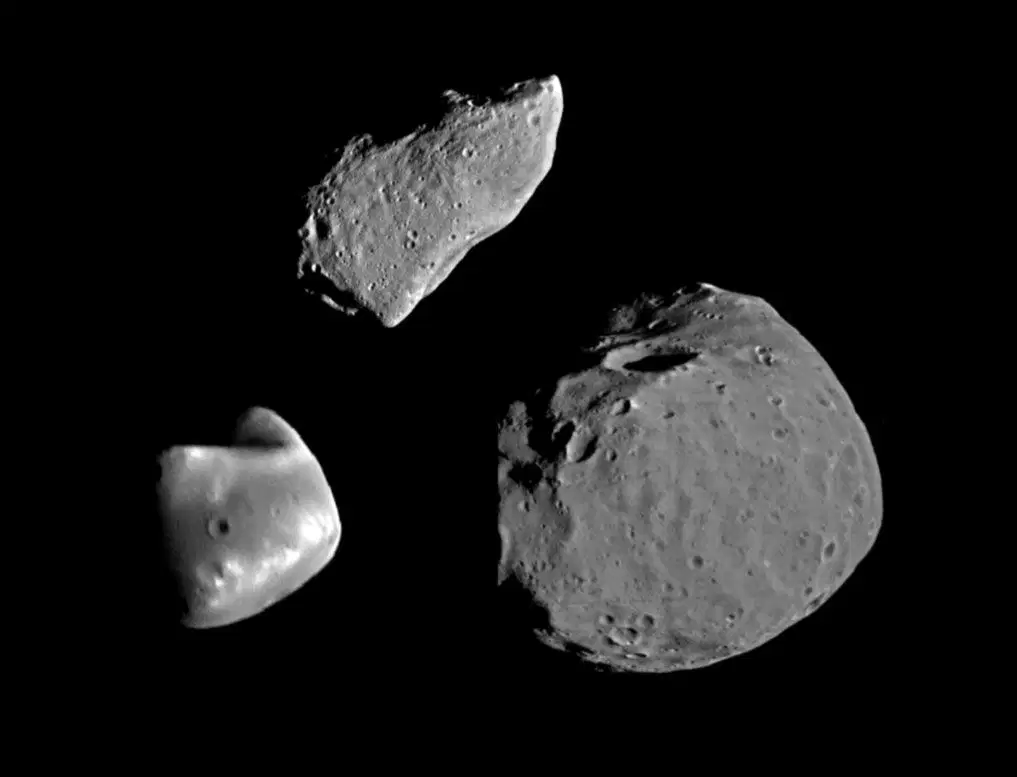
_______ are pieces of rock and metal that orbit the sun.
Atmosphere
Galaxy
Asteroids

Earth has an ______ of gases around it.
orbit
atmosphere
asteroids
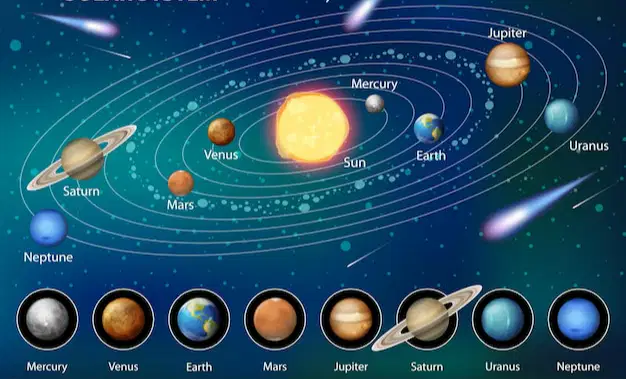
Eight planets and the sun are in our ______.
solar system
comet
atmosphere
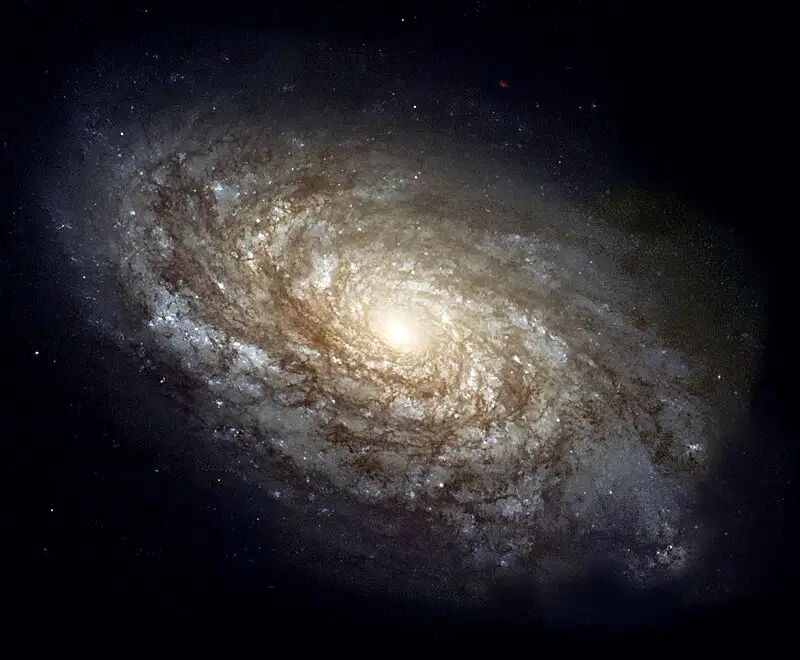
A _____ is a group of stars, planets, gases, and dust.
comet
galaxy
orbit

A ____ is a ball of ice and dust.
asteroids
solar system
comet

____ is tiny pieces of dirt.
Galaxy
Dust
Orbit
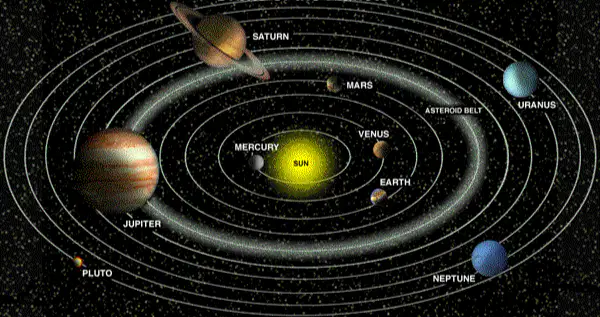
Earth and seven other planets _____ the sun.
solar system
comet
orbit

Earth is part of the Milky Way _____.
galaxy
solar system
orbit
atmosphere

The sun is at the center of our _____.
Milky Way
atmosphere
solar system
galaxy

Oxygen and other gases make up Earth's _____.
asteroids
craters
atmosphere
poisonous gas
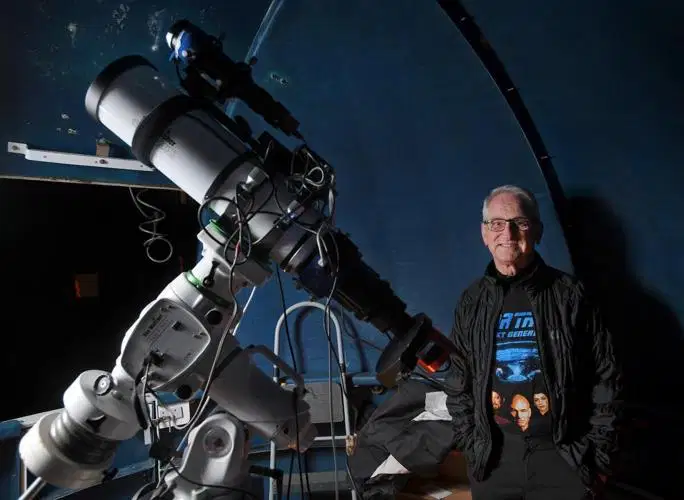
A scientist who studies the stars, planets, moons, comets, and galaxies.
zoologist
astronomer
geologist
botanist

What event does this illustration show?
An asteroid hit Earth long ago.
A comet hit the sun long ago.
The moon hit Earth long ago.
A rover hit Earth long ago.
What are Mercury, Venus, Earth, and Mars mostly made of?
Gases
Water
Ice
Rock
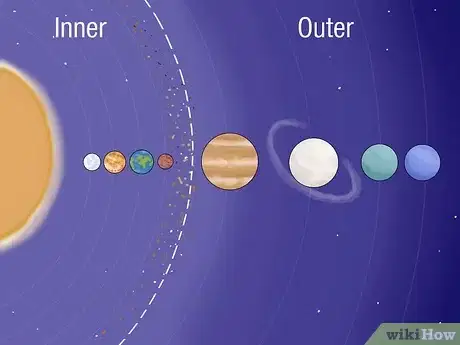
Why are Mercury, Venus, Earth, and Mars called the inner planets?
They move around the moon.
They are closer to the sun.
They are far from the sun.
Mercury, Venus, and Mars are close to Earth.
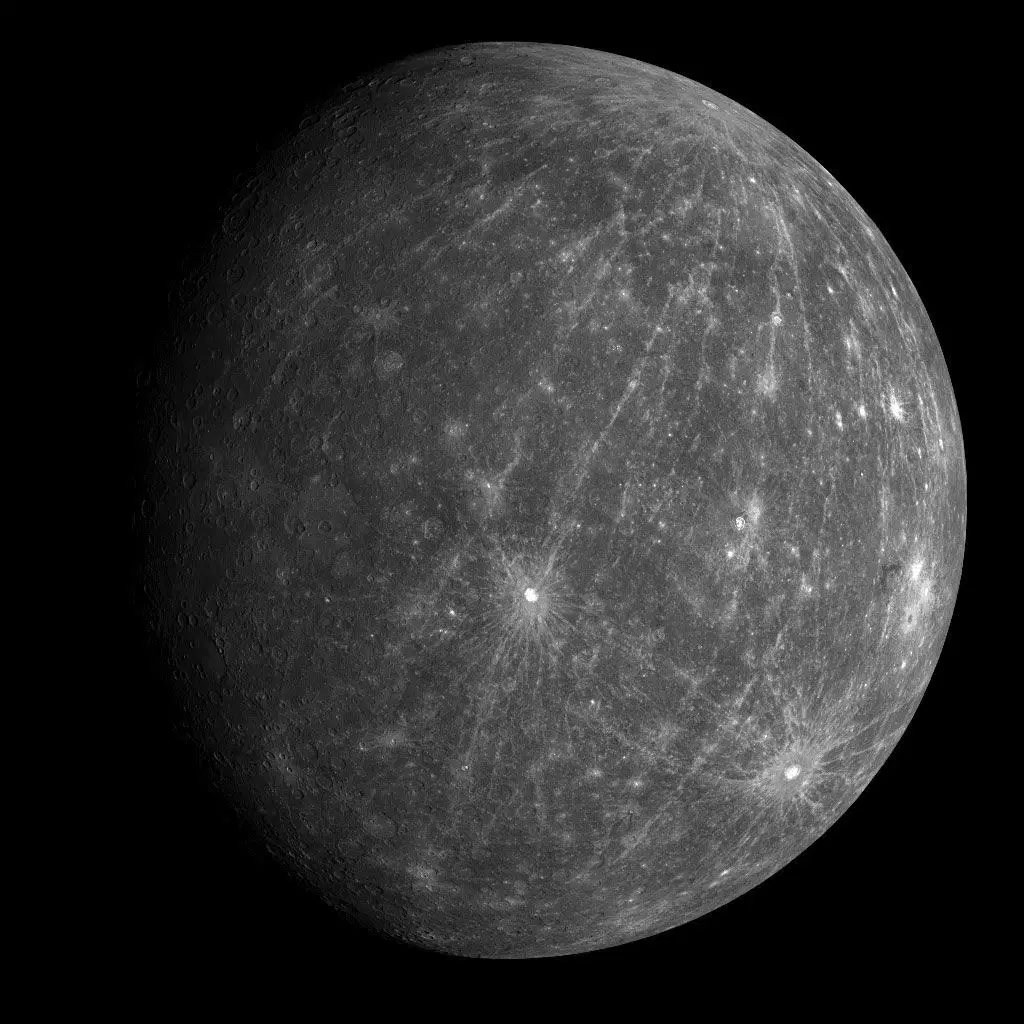
What is NOT true about Mercury?
It has water.
It is hot and dry.
It is small.
It is closest to the sun.

What is Mars called?
The blue planet
The red planet
The largest planet
The smallest planet
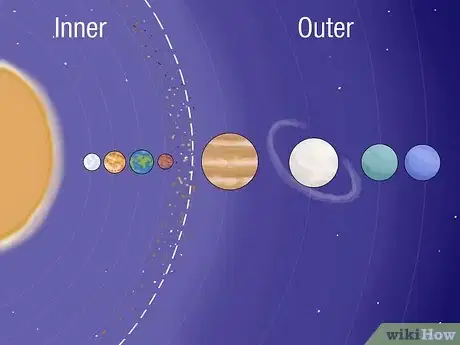
What is NOT true about Jupiter, Saturn, Uranus, and Neptune?
They are called outer planets.
They are mostly made of gases.
They are close to the sun.
They are very cold.

Look at the picture. What is this?
An asteroid
A galaxy
A crater
A comet
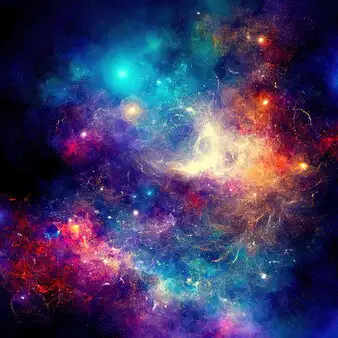
__________ is everything in space, including planets, stars, and galaxies.
An astronomer
A constellation
A telescope
The universe
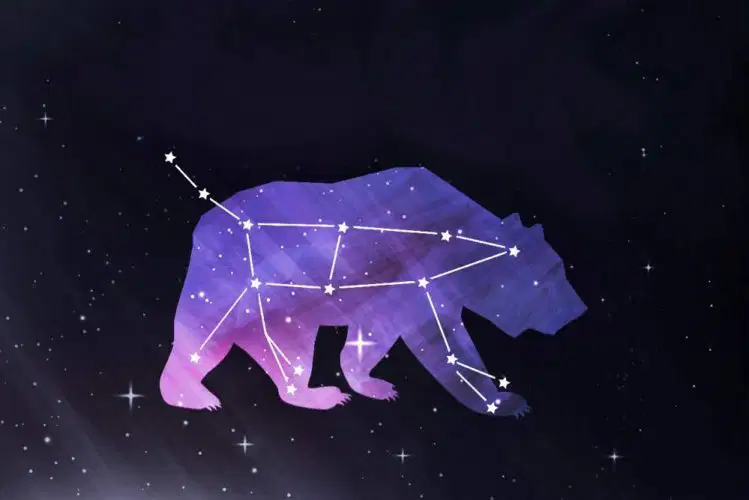
Stars make a pattern in the Ursa Major ________.
constellation
astronomer
telescope
trillion
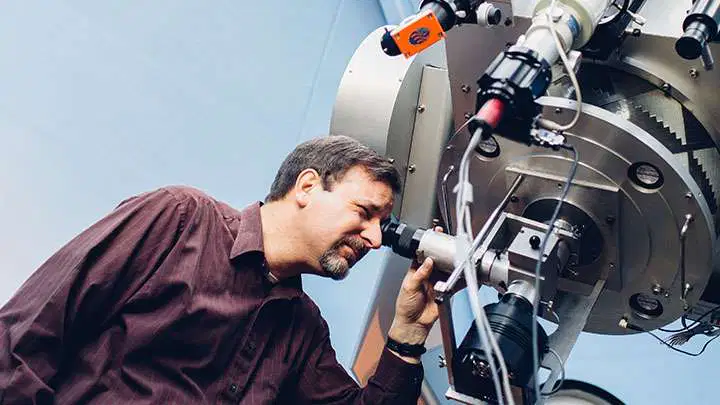
________ use telescopes to study objects in space.
Botanists
Geologists
Astronomers
Constellations
1,000,000,000,000 is _________.
a hundred thousand
a million
a billion
a trillion

What does this deep space photo show?
All of the universe
Spiral and elliptical galaxies
Our solar system
A trillion galaxies
How many stars are there in the universe?
Perhaps a million
Perhaps a billion
Perhaps a trillion
Perhaps a trillion trillion
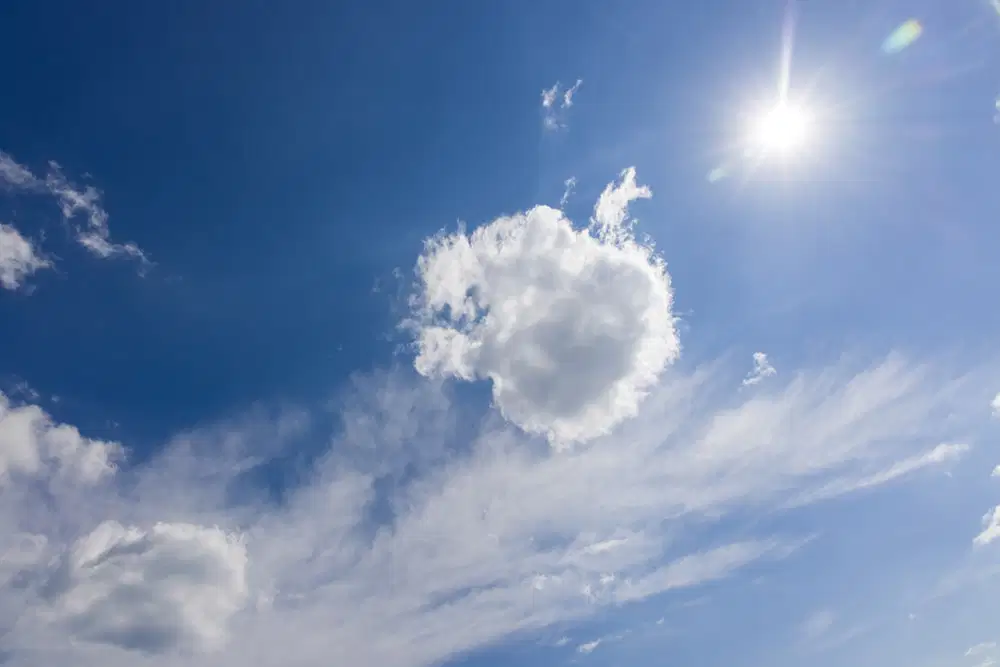
Why don't you see many stars during the day?
They only come out at night.
The sun is too bright.
They are behind Earth during the day.
All of the above.
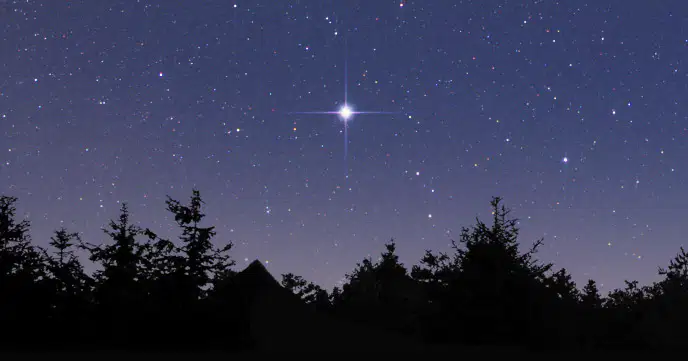
What is Sirius?
The brightest star in the night sky
A large star
A very hot blue-white star
All of the above

Which color stars are the coolest?
Blue stars
White stars
Yellow stars
Red stars

What kind of star is the sun?
A giant very hot star
A small very hot star
A medium-sized, medium-hot star
A large cool star

Look at the picture. What is this?
A new star
A middle-aged star
A dying star
None of the above

