
 Worksheets
the fundamental unit of life
Total questions: 50
Worksheet time: 25mins
The cell membrane is mostly made of what?
Membrane-spanning Proteins
Surface Proteins
Phospholipids
Carbohydrates
Basic unit of all forms of life
Cell
Nucleus
Prokaryote
Eukaryote
Unic ellular organisms take in oxygen and give out carbondioxide through
diffusion
exosmosis
endosmosis
active transport
Living cells were first observed by
Robert Hooke
Robert Brown
A.V Leeuwenhoek
R. Virchow
Well defined nucleus is absent in
plant cell
animal cell
eukaryotic cell
prokaryotic cell
Cell wall of plant cells is chiefly composed of
hemicellulose
cellulose
proteins
phospholipids
Cell theory was given by
Robert Hooke
Leeuwenhoek
Schleiden and Schwann
Virchow
Cell arise from pre existing cell was stated by
Robert Hooke
Leeuwenhoek
Schleiden and Schwann
Virchow
The structural and functional unit of life is
tissue
organ
organ system
cell
Cell wall in plant cells is made of
starch
glycogen
cellulose
chitin
The outermost covering of a plant cell is
plasma membrane
cell wall
nuclear membrane
vacuolar membrane
The outermost layer of hum an cheek cells is
plasma membrane
cytoplasm
cell wall
nuclear membrane
Plasma membrane is
permeable
semi permeable
selectively permeable
impermeable
Genetic material of eukaryotic cell is contained in
nucleolus
nucleoplasm
nucleus
nucleoid
Which among the following has a variable and irregular shape
Euglena
Plasmodium
Paramoecium
Amoeba
The term cell was given by
Leeuwenhoek
Robert Brown
Robert Hooke
Virchow
Which of the following statement is not true for plant cells?
Single large vacuole
Nucleus is shifted to one side
Do not divide
Have cell wall
When we sprinkle salt on salad, water comes out because of
endosmosis
Exosmosis
Diffusion
None of the above
The two organelles which have their own DNA are
Ribosomes and Golgi bodies
Chloroplasts and lysosomes
Chloroplasts and mitochondria
Mitochondria and vacuoles
which of the following is present in lysosomes
digestive enzyme
protein
sugars
DNA
The Powerhouse of cell is
cytoplasm
nucleus
chloroplast
mitochondria
The colour of flowers and fruits is due to
Chromoplasts
Chloroplasts
Leucoplasts
None of the above
A prokaryotic cell has
Nucleus, cell membrane, cytoplasm
Nucleus, mitochondria, cell membrane
Nucleoid, cell membrane, ribosomes
Nucleoid, cell wall, mitochondria
Which of the following is only present in plant cell?
Cell membrane
Cell wall
ribosomes
Lysosomes
The longest cell in human body is
Red blood cell
Nerve cell
Muscle cell
Fat cell
Rudolph Virchow said that
All organisms are made of cells
Cell is the basic unit of life
New cells come from pre-existing cells
None of the above
The term protoplasm was coined by
Robert Brown
M J Schleiden
Theodore Schwann
Purkinje
First living cell was observed by
Antoin von Leeuwenhoek
Robert Hooke
Rudolph Virchow
Robert Brown
Nucleolus is the site of
mRNA synthesis
Ribosome synthesis
Protein synthesis
ATP synthesis
The process in which parent cell divides to form two identical daughter cells is
meiosis
mitosis
binary fission
budding
Control center of the cell
mitochondria
nucleus
SER
chromosomes
The site of detoxification in liver cells is
lysosome
RER
ribosome
SER
Cell arise from pre-existing cell was stated by
Haeckel
Virchow
Hooke
Schleiden
First living cells were observed by
A.V. Leeuwenhoek
Robert Hooke
R. Virchow
Robert Brown
Intercellular connections in plant cells are called
middle lamella
microfibrils
matrix
plasmodesmata
Root hairs of plants absorb water from soil through
diffusion
imbibition
osmosis
all the above
A cell placed in hypotonic solution will
shrink
show plasmolysis
swell up
no change in shape and size
Amoeba acquires its food through a process termed as
exocytosis
endocytosis
plasmolysis
exocytosis and endocytosis
Kitchen of the cell is
mitochondria
chloroplast
endoplasmic reticulum
Golgi apparatus
Colorless plastids are known as
leucoplasts
chromoplasts
chloroplasts
none of the above
The infoldings of mitochondria are known as
cristae
matrix
cisternae
grana
Chromosomes are made up of
DNA
protein
DNA and protein
RNA
Which of the following act as a garbage disposal system of the cell
Golgi apparatus
Vacuole
lysosome
peroxisomes
The undefined nuclear region of prokaryotes is also known as
nucleus
nucleolus
nucleic acid
nucleoid
Amoeba acquires its food through a process, called
exocytosis
endocytosis
plasmolysis
exocytosis and endocytosis both
Lysosomes are formed by
RER
SER
Plasma membrane
Golgi apparatus
The most abundant material in plant cell wall is
cellulose
lipids
proteins
wax
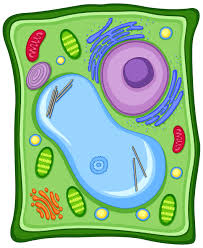
The image shows a
plant cell
animal cell
mitosis process
Select the organelle that release energy
mitochondria
nucleus
vacuole
cytoplasm
Select the three parts of the cell theory
Cells are the building blocks of life
Scientists worked hard to discover the cell
All life processes take place in cells.
New cells are produced from existing cells

