
 Worksheets
100 Science Questions
Total questions: 100
Worksheet time: 5hrs 44mins
You might use a meter stick or measuring tape to (a)

Window
Mirror
Prism
Aquarium
Match the following tools to the unit of measurement.
grams
triple beam balance
mL
graduated cylinder
degrees Celsius
thermometer
cm
ruler
seconds
stopwatch
A mixture in which one substance is spread out so evenly in another substance that you cannot distinguish between the two substances
Substance
Mixture
Solution
Physical Property
Dissolve
A property that can be observed, measured, or changed without altering the substance itself is called?
Substance
Mixture
Solution
Physical Property
Dissolve
What is dissolved by the solvent
Solvent
Solubility
Solute
Substance
What dissolves the solute.
Solvent
Solute
Solution
Mixture
The pure ingredient (in a mixture or solution)
Solution
Mixture
Substance
Solute
A physical combination of two or more substances that can retain their own properties and can easily be separated.
Solution
Mixture
Solvent
Solute
The ability of a substance to be dissolved.
Solute
Solvent
Solution
Solubility

unable to be dissolved
soluble
insoluble
solvent
strainer or sieve

liquid substance capable of dissolving other substances (such as water)
solvent
mixtures
dissolve
soluble

the dissolved substance in a solution (such Kool-Aid powder)
dilute
solute
solvent
mixture

the process that separates solids from liquids
dilute
filtration
separate
strainer or sieve
to set or keep apart
filtration
strainer or sieve
separate
dilute

mesh tool that is used to separate liquids away from solid ingredients or different sized solids
strainer or sieve
filtration
separate
dilute
to keep
maintain
separete
stainer
mixture
group, arrange or order by physical properties
dissolve
solution
maintain
classify
Anything that has mass and takes up space is called __________.
mass
matter
stuff
atoms
The amount of space an object takes up is its ______.
volume
matter
density
liquid
Extremely small units of matter are __________.
particles
volume
solvents
bubbles
A process used to separate the parts of a mixture by particle size is called ___________.
mass
matter
draining
sifting
A student mixes together iron filings, sand, salt, gravel, and water. Which ingredients will keep all their physical properties after being mixed?
Iron filings, sand, and gravel
Iron filings, sand, and salt
Sand, gravel, and salt
Sand, salt, and water
A student dropped a blue dye tablet in a glass of water. The tablet dissolved completely in the water to form a solution. Which physical property of the blue dye tablet did NOT change when mixed with water?
Shape
Size
Texture
Color
Which is not an example of a mixture?
Hamburger
Salad
Taco
Water
What would be the best way to separate the trail mix?
Put the trail mix in a container and pour water on it.
Drag a magnet over the trail mix to take apart the items.
Place the trail mix in a pan and place it in the Sun.
Use a utensil to physically separate the trail mix.
All of the following science tools can be used to separate a mixture, except _________.
a camera
a hotplate
a filter paper
tweezers
A solution is made when one substance _________ in another.
settles at the bottom
moves
dissolves
is suspended
Extremely small units of matter are __________.
particles
volume
solvents
bubbles
the process that separates solids from liquids
dilute
filtration
separate
strainer or sieve
liquid substance capable of dissolving other substances (such as water)
solvent
mixtures
dissolve
soluble
unable to be dissolved
soluble
insoluble
solvent
strainer or sieve

_____ have molecules that are packed together and hardly move.
solids
liquids
gases
plasma
_____ determines whether an object will sink or float in water.
Mass
Weight
Density
Volume
Atoms are a basic unit of matter.
True
False


Why is electrical wiring usually are covered with a layer of plastic?
To make it look pretty
To help electricity flow along the wire
To make it safe
To add more energy


Brayson made the circuit shown here in his science class. What is the most likely reason that the bulb is not lit?
The bulb is cracked.
He did not use the right size battery.
He used too many pieces of wire.
He left the switch open.
A force can____________.
make an object move
make a moving object stop moving
slow an object down
all of the above
When you push or pull something, you are creating_________________.
weight
a speed
a force
a surface
What does the force of gravity do to objects?
It makes them float
it makes them jump
it pulls them to the center of earth
it pushes them apart
the act of applying force to move something toward or with you
Motion
Push
Pull
Position
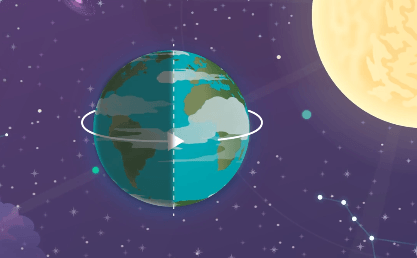
Which of the following takes about one day?
One rotation of the Earth on its axis
One revolution of the Moon around Earth
One orbit of the Earth around the Sun
One rotation of the clouds across the sky

The Earth is rotating AND revolving all the time.
True
False

What form of energy is being used when a person pushes heavy boxes across the floor?
Electrical energy
Mechanical energy
Thermal energy
Sound energy

A girl turned the light off and went to bed. She remembered she had accidentally left her glass of ice water on the counter. When she got up the next morning, the ice had melted. What form of energy caused the ice to melt?
Sound energy
Light energy
Thermal energy
Mechanical energy
Which of the following is NOT mechanical energy?
Pedaling a bike
Rowing a boat
Using a light bulb
Running up a hill

The Sun produces
light and thermal energy
sound and light energy
thermal and sound energy
electrical and light energy

Three different objects that use the same source of energy are shown.
What is the energy sourc for these objects?
Light energy
Mechanical energy
Sound energy
Electrical energy

How do you know this is sedimentary rock?
It is made of many layers
its color
its hard as a rock
You can't; you have to take a sample first
Sedimentary rock is made up of...
sediment
rock
fossil fuels
mostly air
Tiny pieces of broken rock like sand, silt, and clay are...
sediment
boulders
fossil fuels
dirt
These are the processes that form sedimentary rock. Place these in the correct order.
Weathering
Erosion
Deposition
Compaction
Cementation
What creates rock when sediment is pressed together under the weight of many layers and "glued" together?
weathering
erosion
deposition
compaction and cementation
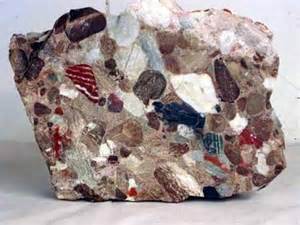

Which process best describes compaction?
particles are squeezed together under pressure
particles glue together as minerals harden
sediment settles

The layers in the canyon's sedimentary rock were most likely created by (a)

Fossil B was once a marine organism. This means the environment that it lived in was most likely ___________.
a desert
a lake
a forest
an ocean

Light bouncing off an object is called --
absorbing
refracting
reflecting
bending


Fill in the blank.
____________ is the moving of sediment from one place to another.
erosion
root wedging
weathering
deposition
Fill in the blank.
___________ happens when rocks break apart, wear away, or dissolve into smaller particles.
erosion
ice wedging
weathering

Which of these examples is deposition?
wind blowing sand
sand that was dropped on the beach by waves
pebbles falling downhill due to gravity
a tree root breaking a rock


What most likely caused the weathering seen in this photo?
wind
water
ice
plants

When rocks are broken down due to the freezing and thawing of water
erosion
ice wedging
creeping
abrasion
deposition by wind (a)
erosion by ice (b)
erosion by water (c)
deposition by water (d)
Match the following "raised" landforms:

hill

volcano

mountain

plateau

What agent of change is most likely responsible for the formation of the land features labeled in the image?
Water
Wind
Glaciers
Mud

The Sun and other stars orbit Earth.
True
False
The solar system is made up of eight planets.
true
false
Reorder the following planets according to the distance from the Sun.
Venus
Mars
Jupiter
Saturn
Neptune

Seasons are caused by the tilt of earth on its axis as it moves around the sun.
true
false
climate (a)
weather (b)
Which of the following sets of data best represents weather information, but NOT climate?
daily rainfall for the Dallas area in the last month
Average yearly temperatures for the Dallas area in the 1900"s
monthly air pressure averages for the Dallas area since 1974
Monthly humidity averages for the Dallas area in the last 4 decades
Weather and climate data are different. Which of the following is a description of weather data?
The Sahara desert gets very little rainfall.
The average daytime high in the Amazon is 25°C.
Temperatures in the Arctic are usually below freezing.
It rained two inches in Miami, Florida on May 5th .

Evaporation
A
Condensation
B
Precipitation
C
Transpiration
D
The process of water that is added to the atmosphere from plants is called
Condensation
Evaporation
Precipitation
Transpiration
What is the source of energy for the Water Cycle?
Ocean
Wind
Moon
Sun

These are examples of what?
precipitation
evaporation
transpiration
condensation


